
512.807.6938

Scared of Oral Surgery? Here’s How Local Surgeons Make It Easier Than Ever Today
July 11, 2025
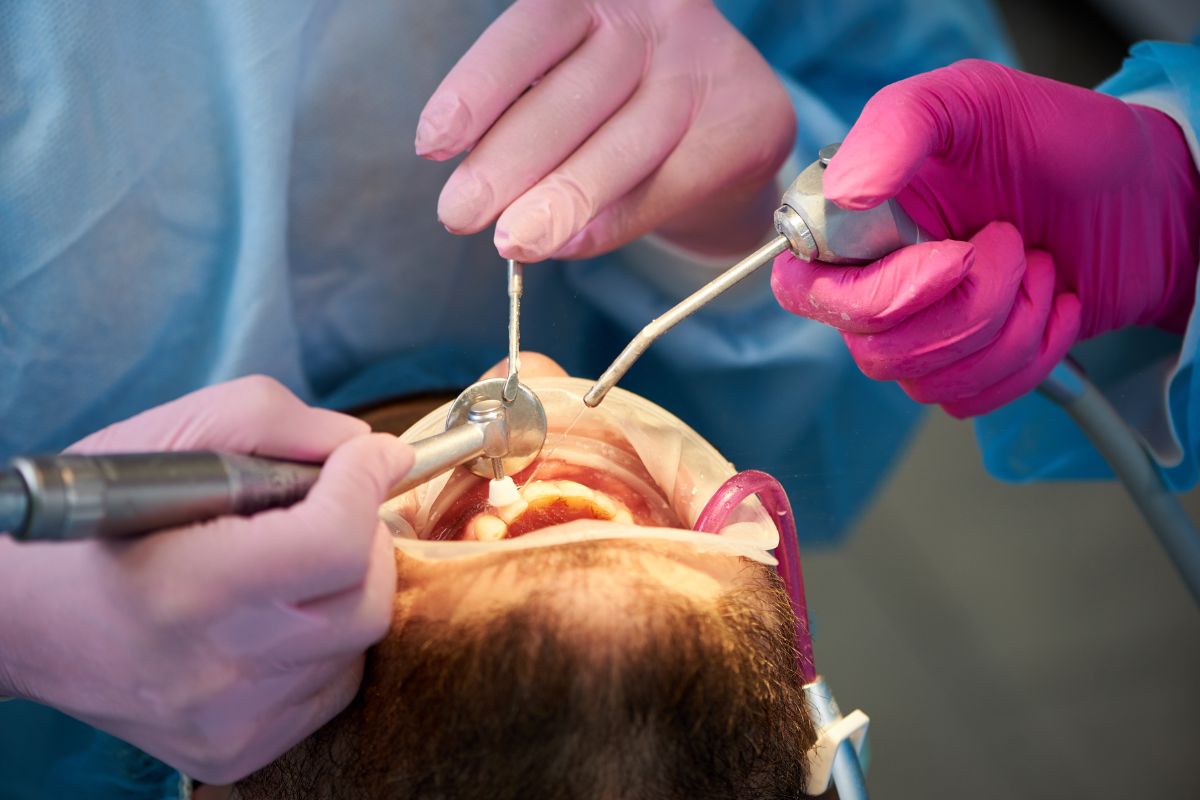
Oral surgery isn’t something most people look forward to—and if you’ve been feeling anxious about it, you’re not alone. Whether it’s a wisdom tooth removal, dental implant placement, or jaw-related procedures, the idea of oral surgery can create real concern. The good news is, oral surgery in Austin has come a long way. Today, local oral surgeons and Austin dentists focus just as much on patient comfort and communication as they do on clinical outcomes.
This article breaks down how modern oral surgeons in Austin help ease the process—from personalized consultations and sedation options to aftercare support—so you can feel more confident and informed before your appointment.
Why Do People Fear Oral Surgery?
It’s Not Just the Procedure—It’s the Unknown
Dental anxiety is very common. A recent study by the Journal of Dental Hygiene found that nearly 50–60% of Americans experience some form of dental anxiety. For many, it’s not just about pain—it’s about not knowing what to expect, how much it will cost, or how long the recovery will take.
In a busy and health-conscious city like Austin, where lifestyle and wellness matter, people seek providers who understand these concerns and take the time to offer reassurance.
What Types of Oral Surgeries Are Common in Austin?
Knowing what falls under “oral surgery” helps ease some fear. Here are some common procedures performed by Austin dentists and oral surgeons:
- Tooth Extractions (including wisdom teeth)
- Dental Implants
- Biopsies and lesion removal
- Jaw surgery
- Bone grafting
- TMJ treatments
Most of these are outpatient procedures performed with local anesthesia, sedation, or general anesthesia, depending on your needs.
How Oral Surgeons in Austin Prioritize Comfort
1. Personalized Consultations
Before any surgery, oral surgeons in Austin generally conduct thorough consultations. They explain the procedure in plain language, answer all your questions, and often use visual aids or digital scans to show exactly what’s going on in your mouth. This step alone can drastically reduce anxiety, giving patients a clearer sense of control.
2. Sedation Options Tailored to You
Many Austin dental practices now offer a range of sedation options:
- Local Anesthesia – Numbs only the area being treated.
- Nitrous Oxide (Laughing Gas) – Keeps you calm while staying awake.
- Oral Sedation – A prescribed pill you take before the procedure.
- IV Sedation – Used for more complex procedures or severe anxiety.
Discussing these options with your Austin dentist helps choose the level of comfort you need without overdoing it.
3. Same-Day and Minimally Invasive Technology
Some clinics in Austin use 3D imaging, laser dentistry, and same-day crown technology that can make surgical procedures less invasive and speed up recovery. These innovations reduce the number of appointments and help avoid complications later.
What to Expect Before and After Oral Surgery
Before Surgery
- A medical and dental history review
- Imaging (X-rays or CT scans)
- A conversation about medications or allergies
- Pre-surgery instructions (such as fasting if sedation is used)
After Surgery
- Detailed aftercare guidance
- Prescribed medication or pain relievers
- Follow-up appointments for healing checks
Many Austin dental offices also send text message reminders, offer 24/7 phone lines, and even check in via telehealth to monitor your healing.
Data Shows: Patient Satisfaction is Rising
According to a 2023 report by the Texas Dental Association, 82% of patients in central Texas who underwent oral surgery reported a positive experience. Many cited clear communication, gentle treatment, and modern pain control as key factors. Austin dental offices are increasingly recognized for their patient-first approach, which aligns with the city’s community-focused culture.
How to Choose the Right Oral Surgeon in Austin
Ask These Key Questions:
- Is the oral surgeon board-certified?
- Do they specialize in the type of procedure you need?
- Are sedation options available?
- Is their team responsive and approachable?
- Do they work closely with your general Austin dentist for follow-up care?
Also, consider checking the American Dental Association website for more details.
FAQs About Oral Surgery in Austin
Q1: How long does oral surgery usually take?
A: Most procedures take under an hour, but complex surgeries may take longer. Recovery time varies by procedure.
Q2: Will I feel anything during surgery?
A: With proper anesthesia or sedation, you should feel minimal to no discomfort during the procedure.
Q3: How much does oral surgery cost in Austin?
A: Costs vary depending on the procedure and insurance coverage. Many offices offer payment plans or work with third-party financing providers.
Q4: What’s the best way to prepare?
A: Follow your oral surgeon’s specific instructions, including any dietary or medication guidelines, and plan for someone to drive you home if sedation is involved.
Final Thoughts: Your Comfort Matters
Oral surgery doesn’t have to be overwhelming. With supportive care, thoughtful planning, and access to advanced techniques, oral surgery in Austin can be a manageable and even positive experience. Local providers are bridging the gap between expert care and genuine comfort—making it easier for patients to get the treatment they need without added stress.
If you’re still feeling uncertain, start with a simple consultation. You’ll find many Austin dentists ready to guide you through each step with compassion and professionalism.
Schedule an Appointment today and take the first step toward healthier dental care—on your terms.
Recent Post

Oct. 12, 2026
Small Cavities Caught Early Cost $200, Ignored They Cost $2000
Sep. 25, 2026
Why Does One Tooth Look Darker Than the Others?
Sep. 18, 2026
How Can Orthodontic Treatment Improve Crowding, Spacing, and Bite Problems Together?

Sep. 10, 2026
How Can I Protect a Broken or Damaged Tooth Until I Can Get Emergency Dental Care?
Sep. 02, 2026