
512.807.6938

Why Does One Tooth Look Darker Than the Others?
September 25, 2026
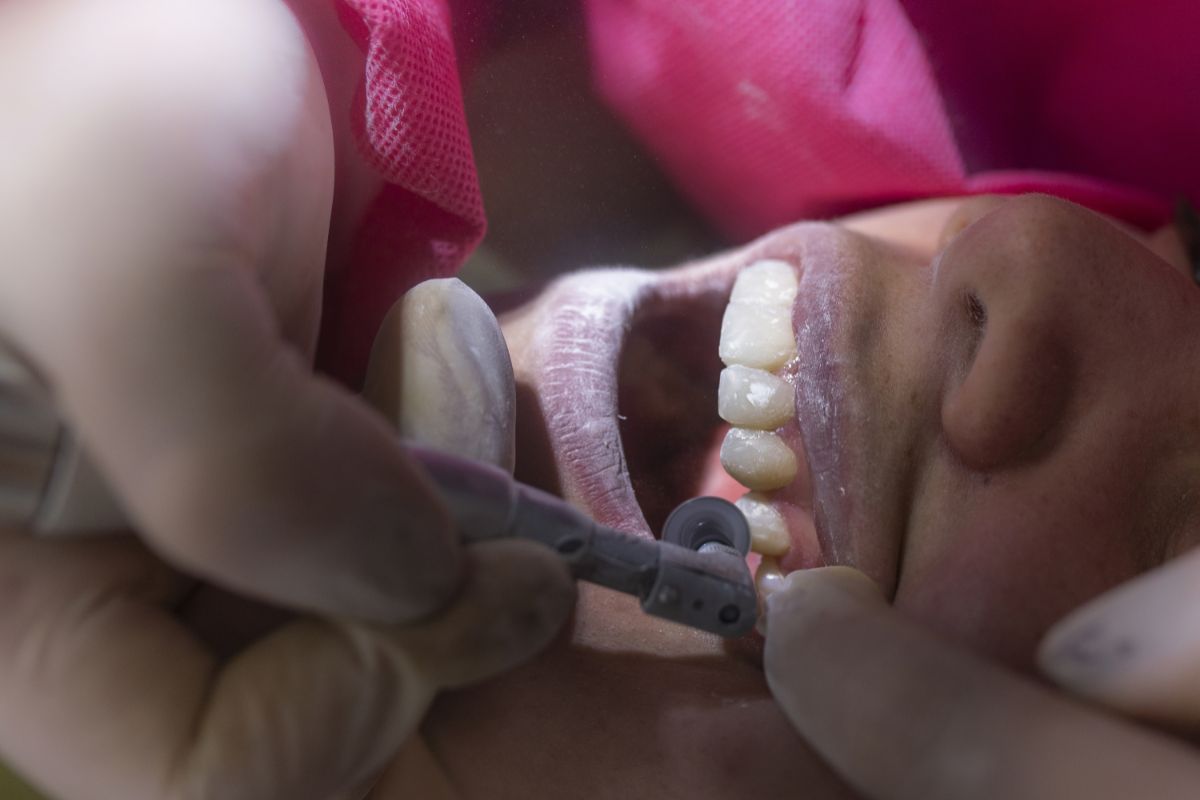
Have you noticed that one tooth looks darker, grayish, yellow, or different from the teeth around it? A single discolored tooth can stand out when you smile. While several teeth can become stained from foods, drinks, or tobacco, discoloration affecting only one tooth may have a different explanation. A dentist at River Rock Dental can examine the tooth and determine whether the change is related to staining, decay, an old injury, or another dental concern.
Depending on the cause, treatment may range from professional cleaning to a dental filling or other restorative care. An old injury, previous dental treatment, or decay can sometimes change the appearance of a tooth. In other cases, the difference may be primarily cosmetic. Understanding the cause can help determine whether a dental filling or another treatment may be appropriate.
Common Reasons One Tooth Looks Darker
There are several reasons why a single tooth may look darker than the teeth around it. The cause can depend on whether the discoloration is on the outside of the tooth or comes from changes within its internal structure.
Common causes include:
- Previous tooth injury or trauma
- Tooth decay
- An old filling or dental restoration
- Changes inside the tooth
- Certain medications or treatments
- Surface staining
- Natural differences in tooth structure
Because different conditions can look similar, a dental examination can help determine what is causing the change in color.
Changes After a Tooth Injury
A tooth can sometimes become darker after an injury, even when the injury happened months or years ago.
Trauma may affect the tissues inside the tooth. Over time, this can cause the tooth to develop a gray, brown, or darker appearance. The original injury may have been obvious, such as an impact during sports, or it may have seemed minor at the time.
If a tooth becomes darker after an injury, a dentist can evaluate the tooth and determine whether the internal structures have been affected.
Tooth Decay and Dark Discoloration
Tooth decay can cause brown, gray, or dark areas on a tooth. As decay progresses, changes in the tooth’s structure may become more noticeable.
However, a dark spot does not automatically mean you have a cavity. Surface staining, an old restoration, or natural changes in the tooth can also affect its appearance.
If the darker area is accompanied by sensitivity, pain, a rough surface, or a visible hole, it is a good idea to have the tooth examined. A dentist can recommend a dental filling when decay is responsible for the discoloration.
The Effect of Older Dental Work
Dental fillings and other restorations can sometimes make one tooth look different from the teeth around it.
Older metal-based fillings may contribute to a darker appearance. Even tooth-colored restorations can become more noticeable over time as the surrounding tooth structure changes.
If you have an older filling and notice that the tooth is becoming darker, an evaluation can help determine whether the restoration or another dental concern is responsible.
When a Dark Tooth Does Not Hurt
A darker tooth does not always cause pain. Some changes inside a tooth may develop without noticeable symptoms at first.
That is why unexplained discoloration should not automatically be assumed to be a simple stain. During an evaluation, a dentist may examine the tooth, review your dental history, and recommend an X-ray or other diagnostic testing if needed.
Finding the cause can help determine whether the tooth needs treatment or monitoring.
Whitening Options for a Dark Tooth
Professional teeth whitening can help with certain types of staining on natural teeth. However, whitening may not correct a tooth that has become darker because of trauma, decay, changes inside the tooth, or an existing restoration.
Whitening the surrounding teeth can also make one darker tooth appear more noticeable if its underlying cause has not been addressed. A dentist can determine whether professional teeth whitening is appropriate after identifying the cause of the discoloration.
Treatment Options for a Discolored Tooth
Treatment depends on the reason the tooth has changed color and whether the tooth is otherwise healthy.
Dental Fillings
If decay is responsible for the discoloration, a dental filling can remove the damaged portion and restore the tooth’s structure and appearance.
Dental Crowns
A dentist may recommend a dental crown when a tooth has significant damage or needs additional protection. A crown covers the visible portion of the tooth and can help restore its function and appearance.
Cosmetic Bonding
For certain minor cosmetic concerns, dental bonding can improve the appearance of a discolored or differently shaped tooth. Tooth-colored material is applied and shaped to blend with the surrounding smile.
Veneers
Veneers may be an option when the tooth is structurally healthy but has a cosmetic concern that is difficult to improve with simpler treatment. They can change the visible color and shape of the tooth.
Root Canal Treatment
If the tissue inside the tooth has been severely damaged or infected, a dentist may recommend root canal treatment. Additional restoration may be recommended afterward to help protect the tooth.
The appropriate treatment depends on the condition of the tooth and the reason for the discoloration.
Signs That Need Dental Attention
Consider scheduling a dental evaluation if the color change is new, becoming more noticeable, or occurring along with:
- Tooth pain or sensitivity
- Swelling around the tooth
- Pain when biting or chewing
- A visible crack or chip
- A dark spot that is increasing in size
- A history of injury
- A loose or weakened tooth
- Unusual taste or drainage
Severe pain, significant swelling, or symptoms associated with a dental emergency should receive prompt attention.
Protecting Your Teeth From Damage
Not every cause of tooth discoloration can be prevented, but good daily habits can help protect your teeth.
Brush twice a day with fluoride toothpaste and clean between your teeth regularly. Avoid chewing ice, hard objects, or using your teeth to open packages. If you participate in contact sports, a properly fitted mouthguard can help protect against dental injuries.
Regular dental visits can also help identify cavities, damaged restorations, and other concerns before they become more serious.
Getting a Dark Tooth Evaluated in Austin
If one tooth looks noticeably darker than the others, it is worth finding out why rather than assuming it is simply a stain. The cause could be something as simple as surface discoloration or something that requires restorative or cosmetic care.
If you are searching for a dentist in Austin, River Rock Dental offers dental evaluations and treatment options for concerns involving discoloration, decay, damaged teeth, and cosmetic appearance. The dental team can assess the tooth and explain which treatment options may be appropriate for your situation.
Take the Next Step for Your Smile
A darker tooth does not always mean there is a serious problem, but unexplained changes in tooth color should not be ignored. Getting the tooth evaluated can help identify the cause and determine whether treatment is needed.
If you have noticed that one tooth looks different from the others, schedule an appointment with River Rock Dental to discuss your concerns and explore the appropriate care for your smile.
Frequently Asked Questions
1. Why is only one tooth turning dark?
A single tooth may become darker because of trauma, decay, an old restoration, changes inside the tooth, or certain types of staining. A dentist can help identify the cause.
2. Can a tooth turn dark after an injury?
Yes. An injury can affect the internal tissue of a tooth and may cause the tooth to gradually become gray, brown, or darker.
3. Can I whiten just one dark tooth?
It depends on the cause. If the discoloration is internal, traditional whitening may not provide the expected result. A dental evaluation can help identify a suitable treatment.
4. Is a dark tooth always a sign of a cavity?
No. A dark tooth can have several causes, including staining, trauma, old dental work, or changes within the tooth. A dental examination can help determine the reason.
5. Can a dark tooth be repaired?
In many cases, yes. Depending on the cause, treatment may include a filling, bonding, crown, veneer, whitening, or root canal treatment.
6. Should I see a dentist if the dark tooth doesn’t hurt?
Yes, especially if the discoloration is new or unexplained. Some dental problems can develop without noticeable pain in the early stages. A dentist can evaluate the tooth and explain whether any treatment is needed.
Recent Post

Oct. 12, 2026
Small Cavities Caught Early Cost $200, Ignored They Cost $2000
Sep. 25, 2026
Why Does One Tooth Look Darker Than the Others?
Sep. 18, 2026
How Can Orthodontic Treatment Improve Crowding, Spacing, and Bite Problems Together?

Sep. 10, 2026
How Can I Protect a Broken or Damaged Tooth Until I Can Get Emergency Dental Care?
Sep. 02, 2026