
512.807.6938

Why Do My Gums Look Like They Are Pulling Away From My Teeth?
November 4, 2026
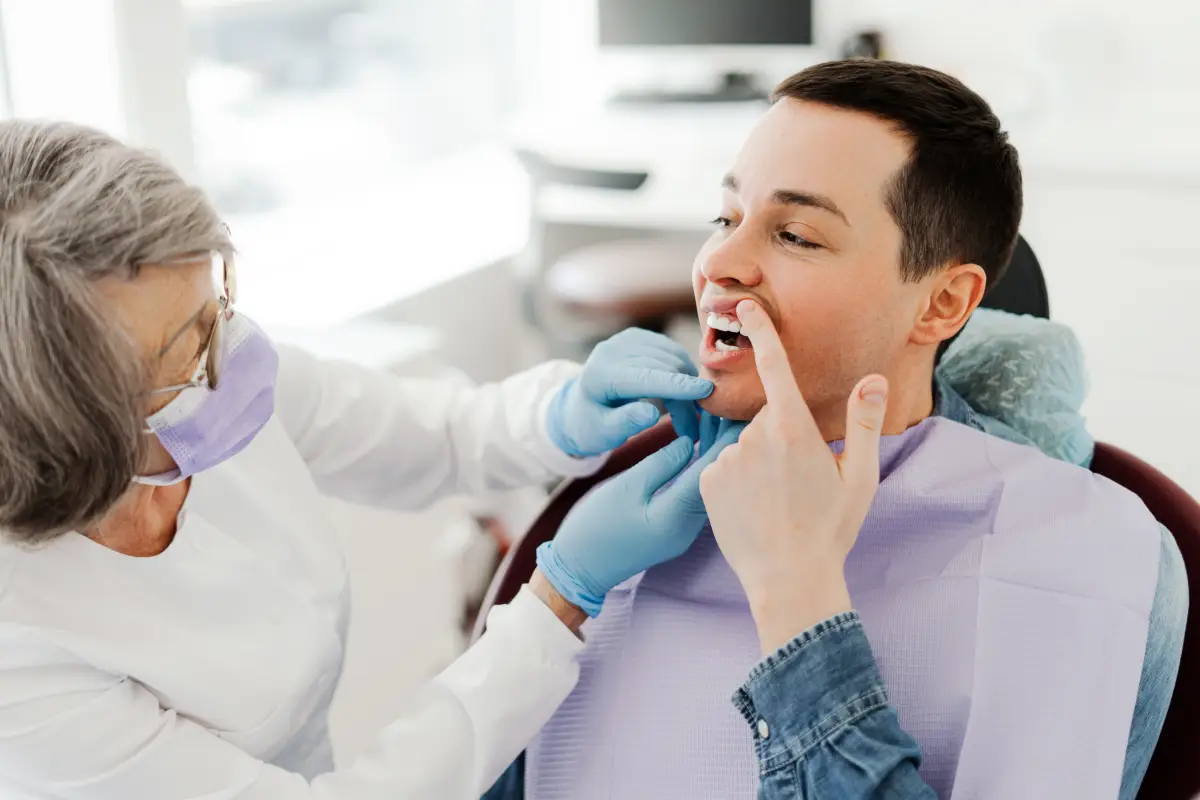
Have you noticed that your teeth look longer than they used to? Or perhaps there seems to be more space between your teeth and gums when you look in the mirror. These changes may be signs of gum recession, a condition in which the gum tissue gradually moves away from the tooth and exposes more of its surface.
Gum recession can happen slowly, so it is easy to overlook at first. It is worth paying attention to because exposed tooth roots are more vulnerable to sensitivity, decay, and other problems. Understanding what causes this change can help you decide when to seek dental care.
What Does It Mean When Gums Pull Away From Teeth?
Healthy gum tissue fits closely around each tooth and helps protect the roots underneath. When gums recede, this tissue gradually moves downward on the upper teeth or upward on the lower teeth, exposing part of the tooth root.
Unlike the visible crown, the root does not have a hard enamel covering. This makes exposed areas more sensitive to cold drinks, hot foods, brushing, and sweet treats.
Gum recession may affect one tooth or several teeth. It can also develop without pain, which is why changes in the gumline should not be ignored.
What Causes Gum Recession?
Several factors can contribute to shrinking or receding gum tissue. Sometimes, more than one is involved.
Gum disease: Plaque and tartar buildup can irritate the gums and cause inflammation. As the condition progresses, it can damage the tissues and bone that support the teeth. This is one reason periodontitis treatment may be necessary when gum disease has advanced.
Brushing too hard: Using a hard bristled toothbrush or applying excessive pressure can gradually wear away gum tissue. A gentle brushing technique is usually more effective than scrubbing.
Teeth grinding: Repeated pressure from clenching or grinding may place extra stress on the teeth and surrounding tissues. It can also contribute to other dental problems.
Misaligned teeth: When teeth do not meet or sit properly, certain areas may experience uneven pressure. This can make some parts of the gumline more vulnerable.
Tobacco use: Smoking and other tobacco products can affect gum health and make it harder for the body to respond to infection.
Signs That Your Gums May Be Receding
A changing gumline is not always easy to spot. Watch for these signs:
- One or more teeth appear longer than before.
- The gumline looks uneven.
- You notice yellowish areas near the base of your teeth.
- Cold drinks or brushing cause new sensitivity.
- Small spaces or notches appear near the gumline.
- Your gums bleed, look swollen, or feel tender.
Bleeding gums can also signal inflammation. If you have noticed this symptom, the article on ways to help bleeding gums explains some common causes and steps that support healthier gums.
Can Receding Gums Grow Back?
Unfortunately, gum tissue does not usually grow back on its own once it has receded. However, that does not mean the condition cannot be managed.
The right approach depends on what caused the recession and how much tissue has been affected. A dentist may recommend a professional cleaning, improved brushing and flossing habits, treatment for gum disease, or a referral for a gum graft in more advanced cases.
A dental evaluation can help determine whether the recession is stable or continuing to progress. An oral health specialist can also assess whether exposed roots need additional protection.
How Can You Help Prevent Further Gum Recession?
You cannot prevent every cause of gum recession, but everyday habits can help protect your gums.
- Brush twice daily with a soft bristled toothbrush.
- Use gentle circular movements instead of scrubbing back and forth.
- Clean between your teeth every day.
- Avoid tobacco products.
- Ask about treatment if you grind or clench your teeth.
- Keep up with routine dental checkups and professional cleanings.
If you are unsure whether your brushing technique is putting too much pressure on your gums, ask your dentist or hygienist to demonstrate a gentler approach. You can also get practical guidance from a dental care provider in Austin during a routine visit.
Take Changes in Your Gumline Seriously
A small change in the gumline may seem harmless, but it can point to an underlying problem that deserves attention. River Rock Dental provides dental evaluations and gum health care at its Austin, TX, locations. If you have noticed exposed tooth roots, sensitivity, or changes in your gums, schedule an appointment to discuss what may be causing them and which treatment options are appropriate.
Frequently Asked Questions
1. Is gum recession always caused by gum disease?
No. Gum disease is a common cause, but aggressive brushing, tobacco use, teeth grinding, and the position of your teeth can also contribute.
2. Can receding gums cause tooth sensitivity?
Yes. When gum tissue moves away from a tooth, it can expose the root surface. Since roots do not have the same enamel protection as crowns, temperature changes and certain foods may cause discomfort.
3. Should I worry if only one tooth has a receding gumline?
It is worth having it checked. Recession around a single tooth may be related to brushing pressure, tooth position, or localized gum problems.
4. Can a regular dental cleaning fix receding gums?
A professional cleaning can remove plaque and tartar that contribute to gum inflammation. However, it cannot restore gum tissue that has already been lost. Additional treatment may be needed depending on the cause and severity.
Recent Post
Nov. 10, 2026
Silent Gum Disease: Stop It Before Treatment Gets Expensive
Nov. 10, 2026
Why Your Teeth Feel Sensitive During Cleanings and How We Stop It
Nov. 04, 2026
Why Do My Gums Look Like They Are Pulling Away From My Teeth?

Oct. 12, 2026
Small Cavities Caught Early Cost $200, Ignored They Cost $2000
Sep. 25, 2026