
512.807.6938

How to Fix Minor Smile Imperfections Without Braces
September 2, 2026
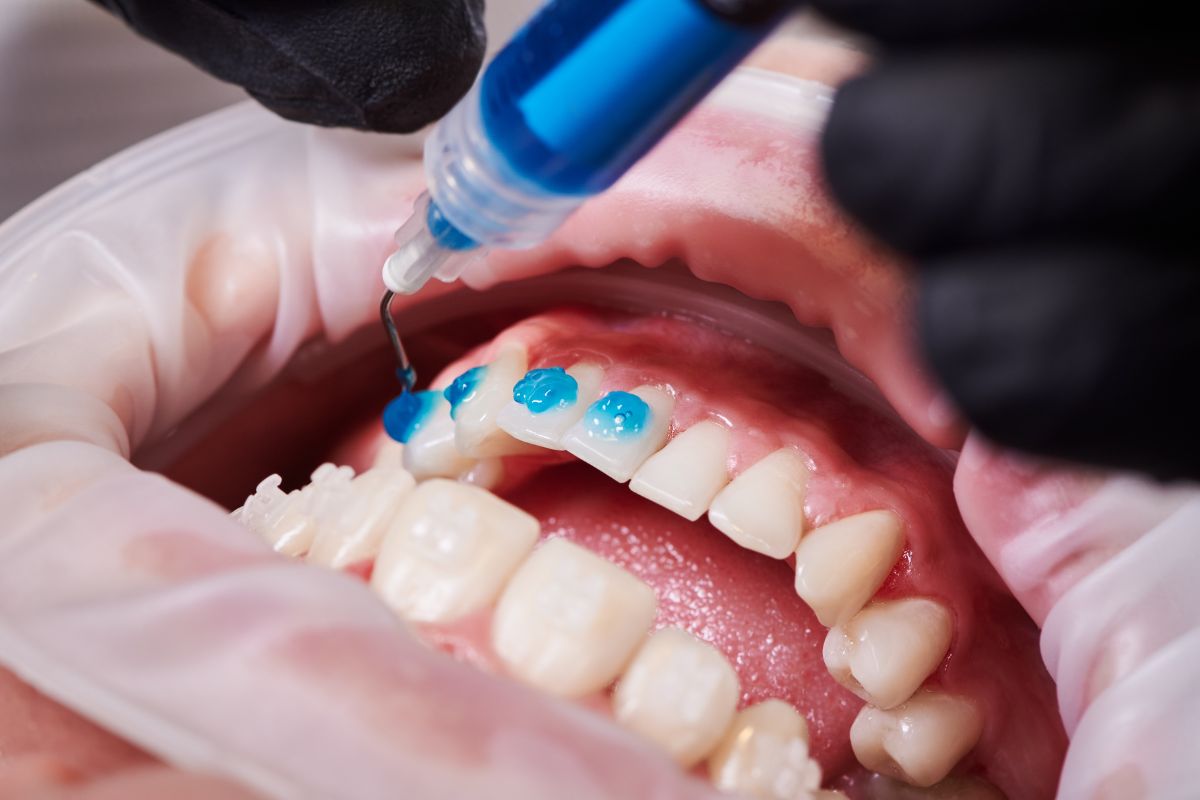
Not everyone who wants to improve their smile needs traditional braces. Minor concerns such as small chips, uneven tooth edges, discoloration, short-looking teeth, or small gaps can sometimes be improved with cosmetic dental treatments. These small imperfections may not affect your oral health, but they can influence how you feel about your smile and your confidence when talking or smiling. Depending on the concern, there may be simple and conservative options available to create a more balanced and natural-looking smile without extensive treatment.
Cosmetic Dentistry focuses on improving the appearance of your teeth and smile while taking your overall oral health into consideration. For many patients in Austin, River Rock Dental offers cosmetic treatment options that can provide noticeable results without the brackets and wires associated with traditional orthodontic treatment. Depending on your specific concerns, your dentist may recommend options such as dental bonding, tooth contouring, veneers, Lumineers®, or professional teeth whitening. Several cosmetic treatments are available for patients in the Austin area, including bonding, veneers, Lumineers®, and professional whitening.
What Are Minor Smile Imperfections?
Small imperfections can affect how you feel about your smile even when your teeth are healthy. Common concerns include:
- Small chips or cracks
- Slightly uneven tooth edges
- Small spaces between teeth
- Discolored or stained teeth
- Teeth that appear too short
- Minor differences in tooth shape
- Worn-down or uneven-looking teeth
These concerns do not always require orthodontic treatment. The appropriate solution depends on the condition of your teeth, your bite, your oral health, and the results you want to achieve.
Dental Bonding for Small Changes
Dental bonding can be a practical option for minor cosmetic concerns. During bonding, a tooth-colored resin is applied to the tooth, shaped to improve its appearance, and hardened before being polished.
It may be used to improve the appearance of small chips, close minor spaces, add length to short-looking teeth, or change the shape of a tooth. Cosmetic bonding can be a conservative option for addressing concerns such as small gaps, short teeth, dark stains, and minor changes in tooth shape.
Because bonding can often be completed relatively quickly, it may be appropriate for patients who want a subtle improvement without extensive treatment.
Tooth Contouring for Uneven Edges
Sometimes the issue is simply that a tooth edge is slightly irregular. Tooth contouring, also called tooth reshaping, involves carefully removing a small amount of enamel to smooth or refine the tooth’s shape.
This can be useful when you have very minor uneven edges and enough healthy enamel is present. Your dentist will first evaluate the tooth to determine whether reshaping is appropriate.
Whitening for Discoloration
If the main concern is tooth color rather than tooth shape, professional whitening may provide the improvement you are looking for. Teeth can become darker or stained over time because of aging, food, beverages, tobacco use, and other factors.
Professional whitening can brighten natural teeth and create a more uniform-looking smile. However, whitening does not change the shape of your teeth or repair chips and gaps. Your dentist can help determine whether discoloration is the primary concern or whether another treatment would better address your goals.
Veneers for More Noticeable Changes
For patients who want to address several cosmetic concerns at once, veneers may be an option. Veneers are thin coverings placed over the visible surfaces of teeth to improve their shape, color, and overall appearance.
They may be considered for concerns such as discoloration, small gaps, chipped teeth, or uneven-looking teeth. Veneers can address several cosmetic concerns for appropriate candidates.
Because veneers involve more planning than simple bonding or contouring, a consultation is important before deciding whether they are the right choice.
Can These Treatments Replace Braces?
Sometimes—but not always.
Cosmetic treatments can improve the appearance of certain minor imperfections without actually moving the teeth. Braces and clear aligners, on the other hand, are designed to move teeth and address alignment and bite problems.
For example, if one tooth looks slightly uneven because of its shape, cosmetic treatment may improve its appearance. But if several teeth are significantly crowded or your bite is affected, orthodontic treatment may be more appropriate.
Clear aligners may also be an option for patients who need actual tooth movement but want a more discreet alternative to traditional braces. River Rock Dental offers Invisalign treatment in Austin.
How to Choose the Right Option
The best treatment depends on what you want to change and the condition of your teeth. During a consultation, your dentist may evaluate:
- Tooth structure and enamel
- Gum health
- Bite and tooth alignment
- Existing dental work
- Tooth color
- The size and location of gaps
- Your desired appearance
- How much change is necessary
A conservative treatment may be enough for a small imperfection, while multiple concerns may require a more comprehensive approach.
Why Choose a Dentist in Austin?
If you live in Austin, choosing a dental office that offers both general and cosmetic services can make it easier to evaluate your options in one place. River Rock Dental has Austin-area locations in Mueller, Southpark Meadows, and Stassney.
The goal should not simply be to make teeth look different. A good cosmetic treatment should complement your natural smile while considering your oral health and bite.
Ready to Improve Your Smile?
Minor smile imperfections do not automatically mean you need braces. Depending on your individual situation, treatments such as bonding, contouring, whitening, or veneers may help improve the appearance of your smile with less extensive treatment.
If you are considering Cosmetic Dentistry, start with a professional evaluation to understand which option is right for you. River Rock Dental provides personalized dental care designed around each patient’s smile, oral health, and treatment goals. During a consultation, your dentist can evaluate your teeth, gums, bite, and overall smile to determine which treatment may be most appropriate for your needs. Whether you want to address a small chip, discoloration, uneven edges, or another cosmetic concern, understanding your options can help you make a confident decision.
If you’re ready to explore your options, schedule a consultation with our team today and take the first step toward a smile you feel confident sharing.
Frequently Asked Questions
1. Can I fix small gaps without braces?
Yes. Depending on the size and cause of the gap, cosmetic bonding or veneers may improve its appearance. Your dentist should evaluate the gap before recommending treatment.
2. Can a chipped tooth be fixed without braces?
Yes. A minor chip may sometimes be improved with dental bonding or tooth reshaping. More significant damage may require another restorative treatment.
3. Can cosmetic treatment make uneven teeth look straighter?
In some cases, yes. Cosmetic treatments can change the visible shape of teeth, making minor irregularities less noticeable. However, they do not physically move teeth like orthodontic treatment.
4. Is dental bonding a good option for small imperfections?
Dental bonding can be a good option for certain minor cosmetic concerns because it is generally conservative and can address issues such as small chips, gaps, and changes in tooth shape.
5. Do I need braces if my teeth are only slightly crooked?
Not necessarily. The appropriate treatment depends on how much movement is needed and whether your bite is affected. A dentist or orthodontic provider can determine whether cosmetic treatment or orthodontic care is more suitable.
6. How do I know which cosmetic treatment is right for me?
A consultation is the best starting point. Your dentist can examine your teeth, gums, bite, and existing dental work before explaining which options may provide the results you want.
Recent Post

Oct. 12, 2026
Small Cavities Caught Early Cost $200, Ignored They Cost $2000
Sep. 25, 2026
Why Does One Tooth Look Darker Than the Others?
Sep. 18, 2026
How Can Orthodontic Treatment Improve Crowding, Spacing, and Bite Problems Together?

Sep. 10, 2026
How Can I Protect a Broken or Damaged Tooth Until I Can Get Emergency Dental Care?
Sep. 02, 2026