
512.807.6938

Preparing for Oral Surgery : How to Ensure a Smooth Recovery?
March 1, 2023
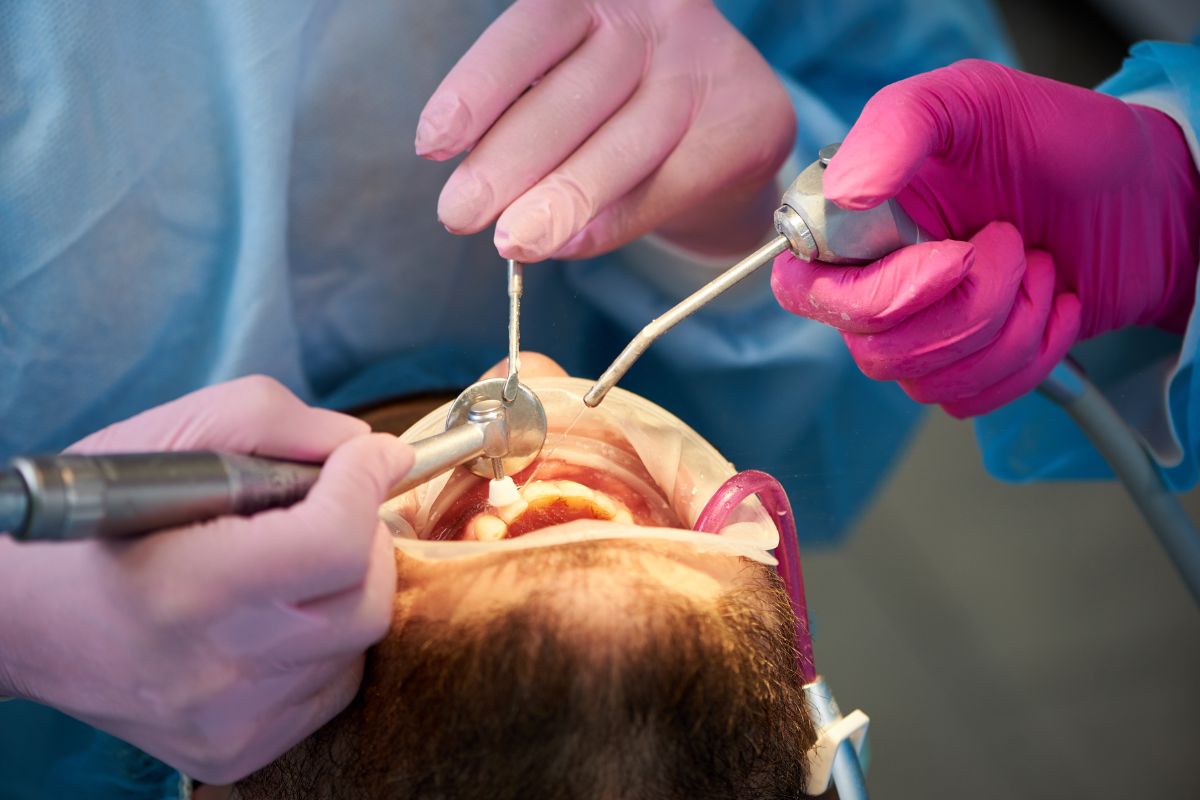
Oral surgery can be a daunting experience, both physically and emotionally. It takes preparation to ensure a smooth recovery–both before and after the procedure. In this blog post, we’ll explore five tips to help you plan for your oral surgery and make sure you have a successful and comfortable recovery. From choosing the right surgeon to setting up physical and emotional support systems, these tips will help you get through this challenging time with ease.
What is oral surgery?
There are a lot of different types of oral surgery, but they all have one thing in common: they’re performed by a dentist or oral surgeon. Oral surgery can be used to treat a wide variety of problems, including jaw pain, tooth decay, and even cancer.
Most often, oral surgery is used to remove wisdom teeth, which are the third molars that erupt in the back of the mouth. Wisdom teeth can be problematic because they’re often misaligned and can crowd other teeth, causing pain and infection. In some cases, wisdom teeth may need to be removed even if they’re not causing any problems.
Oral surgery can also be used to treat TMJ disorders, which are a type of jaw disorder that can cause pain and difficulty chewing. In some cases, oral surgery may be necessary to correct a birth defect or injury that has affected the mouth or jaws.
Recovery from oral surgery will vary depending on the type of procedure that was performed. Wisdom tooth extraction is usually a fairly simple procedure with a short recovery time. More complex procedures, such as jaw surgery, may require a longer recovery period. Your dentist or oral surgeon will give you specific instructions on how to care for your mouth after your procedure and what to expect during your recovery.
Why do people need oral surgery?
There are many reasons why people might need oral surgery. The most common reason is to remove wisdom teeth, which can become impacted and cause pain or other problems. Other reasons for oral surgery include correcting a birth defect, treating an injury, or preparing for dentures. In some cases, oral surgery is needed to remove cancerous growths.
Oral surgery can be a complex and delicate procedure, so it’s important to make sure you are as prepared as possible before undergoing treatment. This means finding a reputable and experienced oral surgeon, asking lots of questions, and following all pre- and post-operative instructions carefully. By taking these precautions, you can help ensure a smooth and successful recovery from oral surgery.
The different types of oral surgery
When it comes to oral surgery, there are a variety of different procedures that can be performed. The most common type of oral surgery is tooth extraction, which is often necessary when a tooth is decayed or damaged beyond repair. Other common types of oral surgery include root canals, wisdom tooth removal, and dental implants.
No matter what type of oral surgery you are having, it is important to be well-prepared for the procedure. This means doing your research ahead of time and knowing what to expect during and after the surgery. It is also important to choose a reputable oral surgeon who has experience performing the specific type of surgery you need.
To ensure a smooth recovery from your oral surgery, follow all of your surgeon’s post-operative instructions carefully. This includes things like taking prescribed pain medication, eating soft foods, and avoiding strenuous activity. If you have any questions or concerns after your surgery, don’t hesitate to reach out to your surgeon for guidance.
Preparing for your oral surgery
If you’re scheduled for oral surgery, the best way to ensure a smooth recovery is to be prepared. Here are some tips on how to do just that:
- Schedule your surgery for a time when you can take it easy for a few days afterwards. This means no strenuous activity, so plan accordingly.
- Make sure you have someone who can drive you home after the surgery, as you will not be able to drive yourself.
- Fill any prescriptions needed prior to the surgery so that you have them on hand after the procedure.
- Eat lightly the day before surgery and avoid alcohol. You don’t want to put undue stress on your system when it’s already working hard to heal.
What to expect after your oral surgery
Most patients report only mild discomfort after oral surgery. To manage pain, your dentist will prescribe medication. You may also rinse your mouth with a saltwater solution to help keep the surgical area clean and reduce swelling. Follow your dentist’s instructions carefully and be sure to take all of your medications as directed.
It is normal for some bleeding to occur immediately after surgery. To control bleeding, bite on a gauze pad for 30-45 minutes immediately after the surgery. Repeat this process if necessary. Avoid hot beverages and drinking from a straw for at least 24 hours as these can contribute to bleeding.
You should also avoid strenuous activity for at least 24 hours following surgery. This will help ensure proper healing and reduce the risk of bleeding or dislodging the blood clot that forms in the surgical area. Be sure to get plenty of rest and eat healthy foods to promote healing.
Tips for a smooth recovery
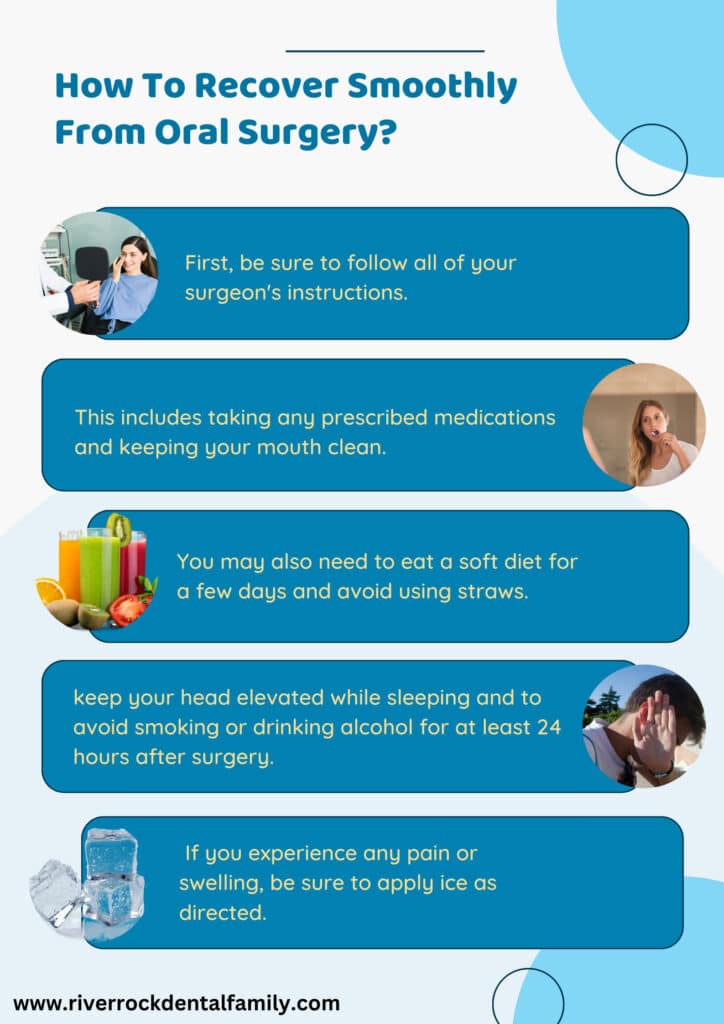
There are a few things you can do to ensure a smooth and speedy recovery following oral surgery. First, be sure to follow all of your surgeon’s instructions. This includes taking any prescribed medications and keeping your mouth clean. You may also need to eat a soft diet for a few days and avoid using straws. Additionally, it is important to keep your head elevated while sleeping and to avoid smoking or drinking alcohol for at least 24 hours after surgery. If you experience any pain or swelling, be sure to apply ice as directed. Following these simple tips will help you have a smooth and comfortable recovery.
Preparing for oral surgery can seem overwhelming, but by following the tips outlined above you can ensure that your recovery is smooth and stress-free. Remember to stay hydrated throughout the day of your surgery and follow all post-operative instructions given by your surgeon carefully. Additionally, make sure to have a friend or family member available to help you out with any tasks during the first few days after surgery as you adjust to life after oral surgery. With these tips in mind, you should be well on your way towards a successful recovery!
How long will I be in recovery?
Most people report feeling back to normal within a few days after oral surgery. However, it is important to follow your surgeon’s instructions for post-operative care, which may include limiting physical activity and avoiding chewing on hard foods for a week or two.
What can I expect immediately after surgery?
After the anesthesia wears off, you may experience some degree of discomfort. This is perfectly normal and can be managed with over-the-counter pain medication or prescription medication if necessary. It’s also common to have some swelling around the surgical site, which should subside within a few days. Cold compresses can help reduce swelling during this time.
Are there any special diet considerations after surgery?
You’ll likely be instructed to stick to soft foods for the first few days after surgery. Eating nutrient-rich soup and smoothies can help ensure you’re getting the calories and nutrients you need while giving your mouth time to heal. As you start to feel better, you can gradually add other softer foods back into your diet until you’re able to eat normally again.
Recent Post

Oct. 12, 2026
Small Cavities Caught Early Cost $200, Ignored They Cost $2000
Sep. 25, 2026
Why Does One Tooth Look Darker Than the Others?
Sep. 18, 2026
How Can Orthodontic Treatment Improve Crowding, Spacing, and Bite Problems Together?

Sep. 10, 2026
How Can I Protect a Broken or Damaged Tooth Until I Can Get Emergency Dental Care?
Sep. 02, 2026