512.807.6938

General Dentistry Tips to Avoid Poor Breath
July 18, 2024
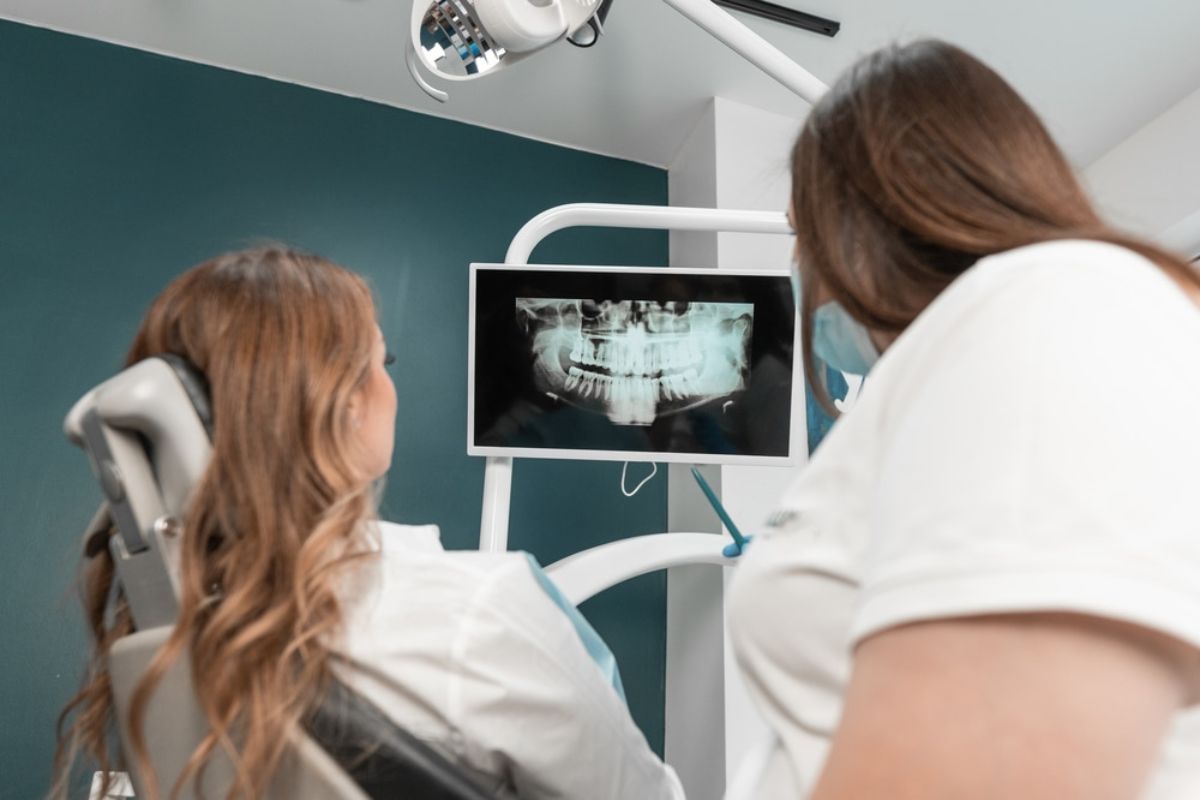
Bad breath, also known as halitosis, is a common issue that affects many people. It can be embarrassing and uncomfortable, impacting your confidence and social interactions. However, with proper oral hygiene and some practical tips, you can prevent and manage bad breath effectively. In this comprehensive guide, we’ll explore general dentistry tips to avoid poor breath, with insights from a dentist in Austin, TX.
Understanding the Causes of Bad Breath
Before diving into the tips, it’s important to understand the causes of bad breath. Halitosis can result from various factors, including:
- Poor Oral Hygiene: Inadequate brushing and flossing can leave food particles in your mouth, promoting bacterial growth and leading to bad breath.
- Dry Mouth: Saliva helps cleanse your mouth by removing food particles and bacteria. A dry mouth, often caused by certain medications or medical conditions, can contribute to bad breath.
- Diet: Foods like garlic, onions, and spicy dishes can cause temporary bad breath. Additionally, a high-protein or low-carb diet can lead to bad-smelling breath due to the production of ketones.
- Tobacco Products: Smoking or chewing tobacco not only stains your teeth but also causes bad breath.
- Medical Conditions: Certain health issues, such as sinus infections, diabetes, and gastroesophageal reflux disease (GERD), can result in bad breath.
Tips to Avoid Poor Breath
Now that we’ve identified the causes, let’s explore effective general dentistry tips to help you avoid bad breath.
1. Maintain Excellent Oral Hygiene
Good oral hygiene is the foundation of fresh breath. Here’s how to maintain it:
- Brush Twice Daily: Brush your teeth at least twice a day using fluoride toothpaste. Make sure to brush all surfaces of your teeth, your tongue, and the roof of your mouth.
- Floss Daily: Flossing removes food particles and plaque from between your teeth that your toothbrush can’t reach. Make it a habit to floss at least once a day.
- Use Mouthwash: An antibacterial mouthwash can help reduce bacteria in your mouth and provide a fresher breath. Choose a mouthwash recommended by your dentist in Austin, TX.
2. Stay Hydrated
Drinking plenty of water helps keep your mouth moist and washes away food particles and bacteria. Aim to drink at least eight glasses of water a day. Chewing sugar-free gum can also stimulate saliva production, keeping your mouth hydrated.
3. Watch Your Diet
Your diet plays a significant role in your breath. Here are some dietary tips:
- Avoid Strong-Smelling Foods: Foods like garlic, onions, and spicy dishes can cause bad breath. If you consume these, make sure to brush your teeth afterward.
- Eat Crunchy Fruits and Vegetables: Apples, carrots, and celery help clean your teeth naturally and stimulate saliva production.
- Include Probiotics: Yogurt and other probiotic-rich foods can promote healthy bacteria in your mouth, reducing bad breath.
4. Quit Tobacco Products
Tobacco products cause bad breath and are harmful to your overall oral health. If you smoke or chew tobacco, consider quitting. Your dentist in Austin, TX, can provide resources and support to help you kick the habit.
5. Regular Dental Check-ups
Regular visits to your dentist are crucial for maintaining good oral health and preventing bad breath. During your check-ups, your dentist in Austin can:
- Clean Your Teeth: Professional cleanings remove plaque and tartar buildup that can cause bad breath.
- Detect Dental Issues: Early detection of cavities, gum disease, or other oral health problems can prevent them from causing bad breath.
- Provide Personalized Advice: Your dentist can offer personalized tips and recommendations based on your oral health needs.
6. Clean Your Tongue
Your tongue can harbor bacteria that cause bad breath. Use a tongue scraper or your toothbrush to gently clean your tongue every time you brush your teeth. This practice can significantly reduce the bacteria in your mouth and improve your breath.
7. Use a Humidifier
If you often wake up with a dry mouth, especially in the winter, using a humidifier in your bedroom can help. It adds moisture to the air, preventing your mouth from drying out overnight.
Additional Tips for Fresh Breath
Aside from the essential tips mentioned above, here are a few additional practices to ensure fresh breath:
- Chew Sugar-Free Gum: Chewing gum can stimulate saliva production, which helps cleanse your mouth. Opt for sugar-free gum to avoid adding extra sugar to your diet.
- Rinse After Meals: If you can’t brush your teeth after a meal, rinsing your mouth with water can help remove food particles and freshen your breath.
- Avoid Alcohol: Alcohol can dry out your mouth, leading to bad breath. Limit your alcohol consumption and drink water alongside alcoholic beverages to stay hydrated.
When to See a Dentist in Austin, TX
If you’re following these tips and still experiencing persistent bad breath, it’s essential to see a dentist. Chronic bad breath could indicate an underlying dental or medical issue that needs attention. Your dentist in Austin, TX, will perform a thorough examination to determine the cause and recommend appropriate treatment.
Conclusion
Maintaining fresh breath is essential for your confidence and social interactions. By following these general dentistry tips, you can avoid poor breath and enjoy a healthier mouth. Remember, good oral hygiene, a balanced diet, staying hydrated, and regular dental check-ups are key to preventing bad breath.
If you’re looking for a reliable dentist in Austin, TX, don’t hesitate to schedule an appointment. Your dentist can provide personalized care and help you achieve optimal oral health. With the right practices and professional guidance, you can maintain fresh breath and a beautiful smile every day.
Recent Post

Oct. 12, 2026
Small Cavities Caught Early Cost $200, Ignored They Cost $2000
Sep. 25, 2026
Why Does One Tooth Look Darker Than the Others?
Sep. 18, 2026
How Can Orthodontic Treatment Improve Crowding, Spacing, and Bite Problems Together?
Sep. 10, 2026
How Can I Protect a Broken or Damaged Tooth Until I Can Get Emergency Dental Care?
Sep. 02, 2026