
512.807.6938

A Guide to Implant Dentistry for Lasting Confidence and Functionality
January 9, 2024
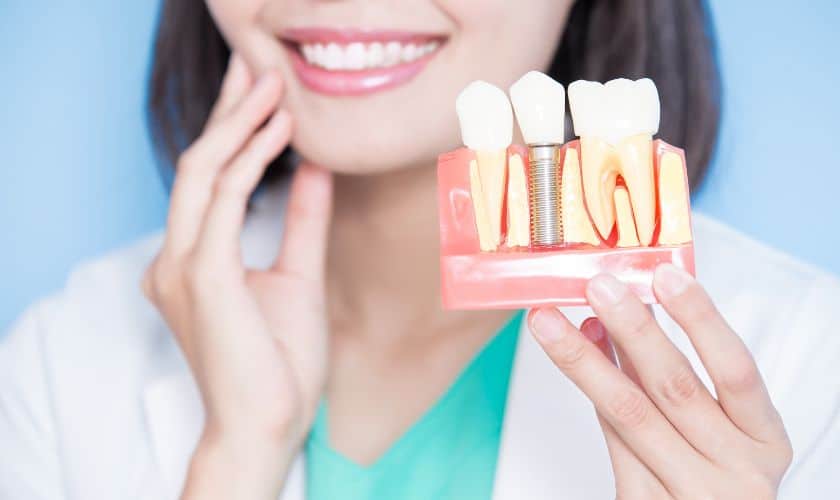
If you’ve been struggling with missing teeth or uncomfortable dentures, you’re in the right place. Dental implants are a revolutionary solution that can restore both your confidence and functionality, giving you a smile that looks and feels natural. In this blog post, we’ll delve into the world of implant dentistry, exploring its benefits, the procedure itself, aftercare tips, common misconceptions, and how to find a qualified implant dentist. So sit back and get ready to discover how dental implants can transform your life!
Understanding implant dentistry
Understanding implant dentistry is key to making an informed decision about whether this treatment option is right for you. So, what exactly are dental implants? Essentially, they are artificial tooth roots that are surgically placed into your jawbone to support prosthetic teeth or bridges.
Unlike traditional dentures or bridges, dental implants offer a permanent solution for replacing missing teeth. They’re designed to look and function just like natural teeth, providing stability and durability that can last a lifetime with proper care.
Implant dentistry involves a multi-step process that typically begins with a thorough examination of your oral health. This may include X-rays and 3D imaging to assess the condition of your jawbone and determine if it’s suitable for implant placement.
If necessary, additional procedures such as bone grafting may be performed to ensure there is enough bone density to support the implants. Once the foundation is ready, titanium posts called abutments are implanted into the jawbone.
Benefits of dental implants
Dental implants offer a plethora of benefits that can greatly enhance your oral health and overall quality of life. First and foremost, dental implants provide unmatched stability and durability. Unlike traditional dentures or bridges, which may slip or become loose over time, dental implants are securely anchored in the jawbone, creating a strong foundation for replacement teeth.
Furthermore, dental implants not only look natural but also feel like real teeth. With their ability to fuse with the jawbone through a process called osseointegration, dental implants become a permanent part of your mouth. This means no more worrying about removable prosthetics shifting or falling out while speaking or eating.
Another significant advantage of dental implants is their preservation of bone structure. When you lose a tooth, the surrounding bone starts to deteriorate due to lack of stimulation. Dental implants act as artificial tooth roots that stimulate the jawbone just like natural teeth do, preventing bone loss and maintaining facial aesthetics.
The implant procedure: what to expect
The implant procedure is a carefully planned and executed process that involves several steps to ensure the successful placement of dental implants. Before undergoing the procedure, your implant dentist will thoroughly assess your oral health and take into consideration factors such as bone density and overall dental condition.
The first step in the implant procedure is the surgical placement of the implant itself. This involves making a small incision in the gum tissue and inserting the titanium post into the jawbone. The incision is then stitched up, allowing for proper healing.
After this initial surgery, there is a period of healing known as osseointegration, during which time the surrounding bone fuses with the implant. This can take several months, but it is crucial for ensuring long-term stability and functionality.
Once osseointegration has occurred, an abutment – a small connector piece – is placed on top of the implant. This serves as an anchor for attaching the final restoration – whether it be a crown, bridge or denture – to complete your smile.
Aftercare and maintenance of dental implants
Aftercare and maintenance of dental implants are crucial to ensuring their long-term success. Taking proper care of your dental implants not only helps maintain their functionality but also ensures lasting confidence in your smile.
One important aspect of aftercare is maintaining good oral hygiene. This includes brushing your teeth at least twice a day with a soft-bristled toothbrush and using an antimicrobial mouthwash to reduce bacteria buildup. Flossing around the implant area is also necessary to remove any food particles or plaque that may accumulate.
Regular visits to your dentist are essential for monitoring the health of your implants. Your dentist will check for any signs of infection, assess bone density, and ensure that the implant is stable and functioning correctly.
Avoiding bad habits such as smoking or excessive alcohol consumption can significantly impact the longevity of your dental implants. These habits can lead to complications like gum disease or poor healing, which may compromise the stability and appearance of your implants.
Common misconceptions about dental implants
Misconceptions about dental implants can often deter individuals from considering this highly effective and long-lasting solution for missing teeth. It’s crucial to debunk these myths to ensure that people have accurate information when making decisions about their oral health.
One common misconception is that dental implant surgery is painful. In reality, the procedure is typically performed under local anesthesia, ensuring minimal discomfort during the process. Additionally, advancements in techniques and technology have made the surgery quicker and less invasive than ever before.
Another misconception is that dental implants are only suitable for older adults. In truth, age is not a determining factor for candidacy. As long as an individual has healthy gums and sufficient bone density, they can benefit from dental implants regardless of their age.
There’s also a belief that dental implants require extensive maintenance compared to natural teeth. However, caring for implants simply involves regular brushing, flossing, and routine visits to the dentist – just like with natural teeth.
Some individuals worry that dental implants may interfere with speech or eating habits. Fortunately, properly placed implants function just like natural teeth and should not affect speech or cause any difficulties while eating.
It’s important to dispel these misconceptions surrounding implant dentistry so that more people can confidently explore this transformative treatment option without unnecessary fears or doubts. By seeking out accurate information from qualified professionals, individuals can make informed decisions regarding their oral health journey.
Finding a qualified implant dentist
Finding a qualified implant dentist is crucial when considering the option of dental implants. With this specialized field of dentistry, it is essential to find a professional who has the necessary expertise and experience in performing successful implant procedures.
One way to begin your search for a qualified implant dentist is by asking for recommendations from friends, family members, or even your regular dentist. They may have had personal experiences with implant dentistry or know someone who has.
Another valuable resource in finding an implant dentist is online research. Look for dentists who specialize in implants and read reviews from previous patients. Pay attention to their qualifications, such as certifications and advanced training in implantology.
When you have narrowed down your choices, schedule consultations with potential implant dentists. This will give you an opportunity to discuss your specific needs and concerns while also getting a sense of their communication style and bedside manner.
Conclusion:
In this guide to implant dentistry, we have explored the world of dental implants and their many benefits. Implant dentistry offers a long-lasting solution for restoring both confidence and functionality to your smile. By understanding the basics of implant dentistry, you can make an informed decision about whether this treatment option is right for you. Dental implants offer numerous advantages over other tooth replacement options, including increased stability, improved oral health, and enhanced appearance.
During the implant procedure, patients can expect a thorough evaluation followed by precise surgical placement of the implant into the jawbone. While it may seem intimidating at first, rest assured that advancements in technology and techniques have made dental implant surgery highly successful with minimal discomfort.
Recent Post

Oct. 12, 2026
Small Cavities Caught Early Cost $200, Ignored They Cost $2000
Sep. 25, 2026
Why Does One Tooth Look Darker Than the Others?
Sep. 18, 2026
How Can Orthodontic Treatment Improve Crowding, Spacing, and Bite Problems Together?

Sep. 10, 2026
How Can I Protect a Broken or Damaged Tooth Until I Can Get Emergency Dental Care?
Sep. 02, 2026