
512.807.6938

Silent Gum Disease: Stop It Before Treatment Gets Expensive
November 10, 2026

Most Austin residents don’t realize they have gum disease until it’s already advanced. It rarely causes pain in the early stages. That’s why silent gum disease can become a serious — and costly — dental problem before you ever notice something is wrong. Understanding how to stop it before treatment gets expensive in Austin starts with knowing what to look for.
At River Rock Dental Austin – Mueller, Dr. Dam Hee Jang and our team see this pattern regularly. Patients come in thinking their gums are fine. Then a routine exam reveals early-stage disease that needs attention. The good news is that catching it early makes a dramatic difference in both outcomes and cost.
What Makes Gum Disease So Silent in the First Place?
Gum disease, also known as periodontal disease, develops in stages. The first stage is called gingivitis. It causes mild inflammation, occasional bleeding when brushing, and slight gum redness. Many people dismiss these signs or don’t notice them at all.
Bacteria in plaque trigger this inflammation. When plaque isn’t removed consistently, it hardens into tartar. Tartar can only be removed by a dental professional. Over time, tartar buildup pushes gums away from teeth and creates deep pockets where bacteria thrive.
The second stage — periodontitis — is where real damage occurs. Bone and tissue that support your teeth begin to break down. By this point, treatment becomes significantly more involved. That’s exactly why the silent progression of gum disease is so dangerous for patients across Austin.
Early Warning Signs Austin Patients Shouldn’t Ignore
Because gum disease progresses quietly, knowing the early signals gives you a real advantage. You don’t need to wait until something hurts to take action. Your gums often send subtle warning messages long before pain develops.
Watch for these early warning signs:
- Gums that bleed when you brush or floss
- Redness, puffiness, or tenderness along the gum line
- Gums that appear to be pulling away from your teeth
- Persistent bad breath that doesn’t improve with brushing
- Teeth that feel slightly loose or shifted
- A change in how your bite fits together
If you notice any of these signs, schedule a dental exam promptly. Early-stage gum disease responds very well to professional treatment and improved home care. Waiting makes every option harder and more expensive.
Simple Preventive Steps That Stop Gum Disease Before It Starts
Prevention is always less expensive than treatment. The habits that protect your gums are simple, accessible, and highly effective when done consistently. Preventive Care Austin is the foundation of long-term gum health. Starting now — regardless of your current gum condition — makes a measurable difference.
Here are the key preventive steps every Austin patient should follow:
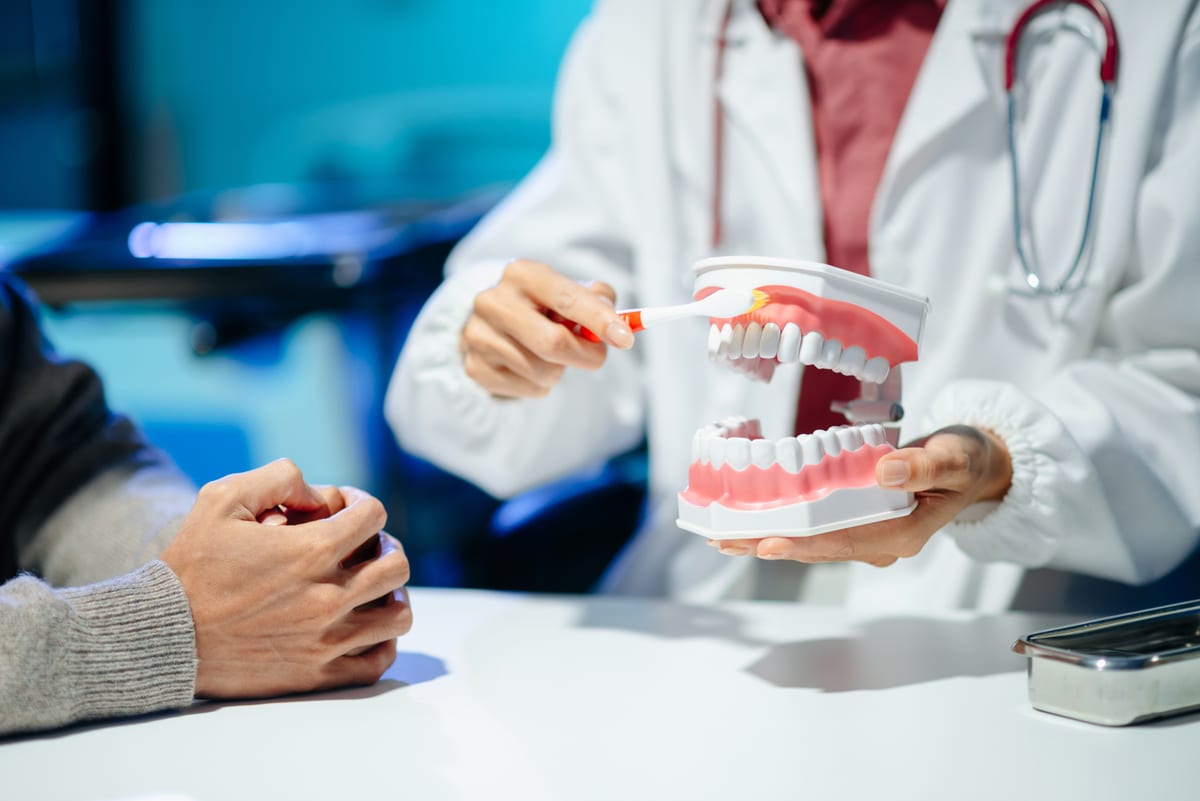
- Brush thoroughly for two minutes, twice daily, using a soft-bristle toothbrush
- Floss once per day to remove plaque from between teeth and below the gum line
- Use an antibacterial mouthwash to reduce bacteria levels in hard-to-reach areas
- Drink plenty of water to support saliva production and wash away food particles
- Avoid tobacco products, which significantly increase gum disease risk
- Limit sugary and starchy foods that fuel bacterial growth
These habits form your first line of defense. Combined with regular professional care, they can stop gum disease from ever gaining a foothold.
Why Professional Dental Checkups Are Non-Negotiable
Home care alone cannot eliminate tartar. Once plaque hardens, only a professional cleaning removes it safely. That’s why routine dental checkups are essential — not just helpful — for preventing gum disease.
During a checkup at River Rock Dental Austin – Mueller, Dr. Jang and our hygiene team do more than clean your teeth. We measure gum pocket depths to detect early tissue loss. We evaluate bone levels using X-rays. We look for subtle changes that indicate gum disease is developing before it progresses.
Catching gum disease at the gingivitis stage means treatment often involves just a professional cleaning and improved home care. Waiting until periodontitis sets in may require scaling and root planing, medications, or surgical intervention. The cost difference between those two scenarios is significant.
We recommend checkups every six months for most patients. Some patients with elevated risk factors benefit from more frequent visits. Your dentist will advise the right schedule based on your individual needs.
How Gum Disease Connects to Your Overall Health
Gum disease isn’t just a dental problem. Research consistently links periodontal disease to systemic health conditions. Understanding this connection motivates many Austin patients to take gum health more seriously.
Gum disease has been associated with increased risk of heart disease and stroke. It also connects to diabetes complications, making blood sugar harder to control. Pregnant women with untreated gum disease face elevated risks during pregnancy. Chronic inflammation from gum disease may also affect respiratory health.
Your mouth is a gateway to your entire body. Bacteria from infected gum tissue can enter the bloodstream. Protecting your gums is genuinely protecting your overall health — not just your smile.
Patients who treat gum disease often report improvements in energy, breath freshness, and overall wellbeing. A healthy mouth supports a healthy body in ways that go far beyond aesthetics. Speaking of aesthetics, many patients who stabilize their gum health also explore Teeth Whitening Austin to complete their smile transformation.
What to Expect If Gum Disease Is Already Present
If Dr. Jang detects early gum disease during your exam, don’t panic. Early intervention works well. Most gingivitis cases resolve with a professional cleaning and a consistent home care routine. Your gums can return to full health with the right approach.
If periodontitis is present, treatment typically begins with a deep cleaning called scaling and root planing. This procedure removes tartar from below the gum line and smooths the root surfaces. Smooth roots make it harder for bacteria to reattach. Most patients tolerate this procedure comfortably with local anesthesia.
After active treatment, a maintenance schedule keeps gum disease from returning. Follow-up visits every three to four months are common for patients with a history of periodontitis. Consistency at this stage protects all the progress you’ve made.
Protecting Your Smile and Your Budget in Austin
Silent gum disease can move from a minor inconvenience to a major dental expense faster than most patients expect. But it doesn’t have to reach that point. With awareness, consistent prevention, and regular professional care, gum disease is highly manageable — and often completely avoidable.
Dr. Dam Hee Jang and the entire team at River Rock Dental Austin – Mueller are committed to helping Austin patients protect their gum health for life. We offer personalized, compassionate care at every visit. Our goal is always to keep your mouth healthy before problems require expensive solutions.
Don’t wait for symptoms to appear before making your next appointment. Take control of your gum health today. Book Now to schedule your appointment with our team.
Frequently Asked Questions
Can gum disease really develop without any pain?
Yes. Gum disease is often completely painless in its early stages. Many patients have gingivitis or even mild periodontitis without any discomfort. That’s why regular dental exams are so important — your dentist can detect gum disease long before you feel symptoms.
How often should I get a dental checkup to prevent gum disease?
Most patients benefit from professional checkups and cleanings every six months. If you have a history of gum disease, higher plaque buildup, or certain health conditions, your dentist may recommend visits every three to four months to stay ahead of potential issues.
Is gum disease reversible?
Gingivitis — the earliest stage of gum disease — is fully reversible with professional cleaning and improved oral hygiene. More advanced periodontitis causes permanent bone and tissue loss, but it can be managed effectively to prevent further damage with the right treatment plan.
What puts me at higher risk for gum disease in Austin?
Several factors increase gum disease risk. These include tobacco use, diabetes, a family history of periodontal disease, certain medications that cause dry mouth, pregnancy hormones, and poor oral hygiene habits. Stress and a diet high in sugar also contribute. Discussing your risk factors with Dr. Jang helps create a prevention plan tailored to you.
Can children develop gum disease?
Yes, children can develop gingivitis. It’s less common in young children but becomes more prevalent during adolescence due to hormonal changes. Teaching children strong brushing and flossing habits early is the best protection. Regular pediatric dental checkups help catch any gum concerns before they progress.
Recent Post
Nov. 10, 2026
Silent Gum Disease: Stop It Before Treatment Gets Expensive
Nov. 10, 2026
Why Your Teeth Feel Sensitive During Cleanings and How We Stop It

Nov. 04, 2026
Why Do My Gums Look Like They Are Pulling Away From My Teeth?

Oct. 12, 2026
Small Cavities Caught Early Cost $200, Ignored They Cost $2000
Sep. 25, 2026