
512.807.6938

Why Your Teeth Feel Sensitive During Cleanings and How We Stop It
November 10, 2026
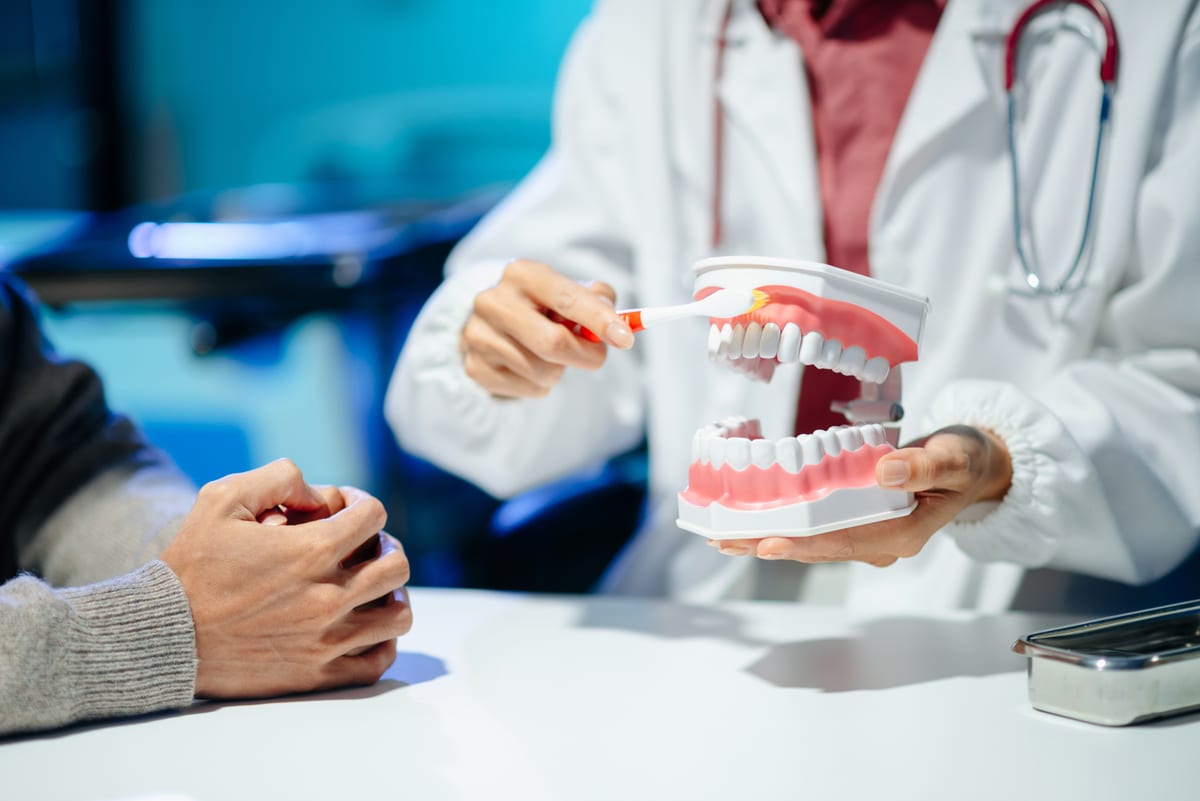
If your teeth feel sensitive during a dental cleaning, you are not alone. Many Austin patients tell us this is one of their biggest concerns. Understanding why your teeth feel sensitive during cleanings and how we stop it in Austin starts with knowing what causes that discomfort. At River Rock Dental Austin – Mueller, Dr. Dam Hee Jang and our hygiene team are committed to making every visit as comfortable as possible. You deserve a cleaning that supports your health without unnecessary pain.
What Causes Sensitivity During a Dental Cleaning?
Sensitivity during cleanings usually has a clear cause. Most often, it comes down to exposed dentin or gum inflammation. Dentin is the layer beneath your enamel. When enamel wears thin or gums recede, dentin becomes exposed and responds to touch and temperature.
Tartar buildup is another common trigger. When hardened tartar sits along the gumline, the tissue underneath often becomes inflamed. Removing that tartar during a cleaning can briefly irritate already-sensitive gums. This is temporary and actually helps the gum tissue heal afterward.
Patients with gum disease often report stronger sensitivity. The bacteria in infected gum pockets cause inflammation that makes the whole area tender. Even gentle scaling can feel uncomfortable when inflammation is present. Treating the underlying condition is always the best long-term solution.
Why Some Austin Patients Feel More Sensitive Than Others
Not every patient experiences sensitivity equally. Several personal factors influence how your mouth responds during a cleaning. Our team at River Rock Dental Austin – Mueller takes these differences seriously when planning your care.
Common reasons some patients feel more sensitivity include:
- Gum recession that exposes tooth roots
- Thin or worn enamel from acidic foods or grinding
- Existing gum disease or early-stage gingivitis
- Teeth that are naturally more porous
- Skipping cleanings, which allows more tartar to accumulate
- Recent use of whitening products that temporarily increase sensitivity
Spacing out your dental visits can actually make sensitivity worse. The longer tartar builds up, the more your gums react during removal. Regular Preventive Care Austin appointments reduce buildup and keep sensitivity manageable over time. Consistent care is truly the best defense.
How Our Hygienists Minimize Discomfort During Your Cleaning
Our hygiene team uses several strategies to reduce sensitivity before and during your cleaning. We never rush through a visit. Taking time to assess your individual needs makes a real difference in your comfort level.
Here is what you can expect from our approach at River Rock Dental Austin – Mueller:
- Pre-cleaning assessment: We review your health history and ask about any sensitivity concerns before we begin.
- Topical numbing agents: We apply a desensitizing gel to tender areas when needed. This reduces discomfort during scaling.
- Gentle technique: Our hygienists use light, controlled strokes and adjust pressure based on your feedback.
- Ultrasonic scalers: These tools use gentle vibrations and water to remove tartar with less mechanical pressure.
- Breaks and check-ins: We pause regularly to make sure you are comfortable and never feel rushed.
- Desensitizing fluoride treatment: Applied at the end of your cleaning, fluoride helps seal exposed dentin and reduce post-visit sensitivity.
Communication is key throughout the process. You can raise your hand at any point and we will stop immediately. Our goal is always to respect your comfort while delivering a thorough clean. We want you to leave feeling better, not worse.
What You Can Do at Home to Reduce Cleaning Sensitivity
Managing sensitivity does not stop when you leave our office. What you do at home between visits has a significant impact. A few simple habits can dramatically reduce discomfort during your next cleaning.
Start by switching to a toothpaste designed for sensitive teeth. These formulas contain compounds like potassium nitrate or stannous fluoride. Used consistently, they help block the tiny channels in exposed dentin. Results improve over several weeks of regular use.
Avoid brushing too aggressively. Hard brushing wears down enamel and pushes gums back over time. Use a soft-bristled brush and gentle, circular motions. This protects your gumline and reduces long-term recession.
Limiting acidic foods and drinks also helps. Citrus juices, sodas, and vinegar-based dressings erode enamel gradually. Rinsing with water after acidic foods gives your enamel a chance to recover. Small daily habits add up to real protection over months and years.
If you are curious about how cosmetic treatments interact with sensitivity, ask us about Teeth Whitening Austin options that work for sensitive teeth. Dr. Dam Hee Jang can help you choose an approach that brightens your smile without added discomfort.
When Sensitivity Signals Something That Needs Treatment
Occasional sensitivity during a cleaning is normal. Persistent or sharp pain is a different matter. Some sensitivity points to an underlying condition that needs professional attention beyond a routine cleaning.
Watch for these signs that warrant a conversation with Dr. Dam Hee Jang:
- Pain that lingers for more than a few seconds after a stimulus
- Sensitivity that affects your daily eating or drinking
- Visible gum recession or loose teeth
- Bleeding that does not resolve between cleanings
- A sharp or throbbing sensation in a specific tooth
These symptoms may indicate gum disease, a cracked tooth, or an old filling that needs replacement. Catching these issues early leads to simpler, less costly treatment. Ignoring them allows conditions to progress and become harder to address. Our team is here to identify problems early and explain your options clearly.
Your Comfort Is Always Our Priority at River Rock Dental Austin – Mueller
Nobody should dread going to the dentist. Sensitivity during cleanings is a real concern, and we take it seriously at River Rock Dental Austin – Mueller. Dr. Dam Hee Jang and our entire team work hard to create a calm, supportive environment for every patient. Whether you have mild sensitivity or significant dental anxiety, we adapt our approach to meet your needs. Understanding why your teeth feel sensitive during cleanings and how we stop it in Austin is the first step toward a more comfortable dental experience. Book Now to schedule your appointment with our team.
Frequently Asked Questions
Is it normal for teeth to hurt during a dental cleaning?
Some sensitivity during a cleaning is common, especially near the gumline. It usually means tartar is being removed from areas where the gums are slightly inflamed. With gentle technique and desensitizing products, most patients find the discomfort very manageable. If you experience sharp or lasting pain, let your hygienist know right away.
How can I prepare for my cleaning if I have sensitive teeth?
Start using a sensitivity toothpaste at least two weeks before your appointment. Brush gently with a soft-bristled toothbrush each day. Let our team know about your sensitivity when you arrive so we can plan accordingly. We can apply a topical numbing agent before we begin scaling.
Does skipping cleanings make sensitivity worse?
Yes, skipping cleanings typically increases sensitivity over time. Tartar accumulates at the gumline, causing inflammation that makes the tissue more reactive. When more tartar needs to be removed at once, the cleaning process takes longer and can feel more intense. Regular visits keep buildup minimal and sensitivity low.
Can gum disease cause sensitivity during cleanings?
Gum disease causes significant inflammation in the tissues surrounding your teeth. This makes those areas tender and reactive during scaling. Treating gum disease reduces that inflammation over time, which usually leads to more comfortable future cleanings. Dr. Dam Hee Jang will recommend the right level of care based on your gum health.
Will sensitivity toothpaste help before my appointment?
Sensitivity toothpaste can make a noticeable difference when used consistently before your visit. The active ingredients gradually block the nerve pathways in exposed dentin. For best results, use it twice daily for at least two to four weeks leading up to your cleaning. Ask our team which formula they recommend for your specific needs.
Recent Post

Nov. 10, 2026
Silent Gum Disease: Stop It Before Treatment Gets Expensive
Nov. 10, 2026
Why Your Teeth Feel Sensitive During Cleanings and How We Stop It

Nov. 04, 2026
Why Do My Gums Look Like They Are Pulling Away From My Teeth?

Oct. 12, 2026
Small Cavities Caught Early Cost $200, Ignored They Cost $2000
Sep. 25, 2026