
512.669.5147

How Can Orthodontic Treatment Improve Crowding, Spacing, and Bite Problems Together?
September 18, 2026
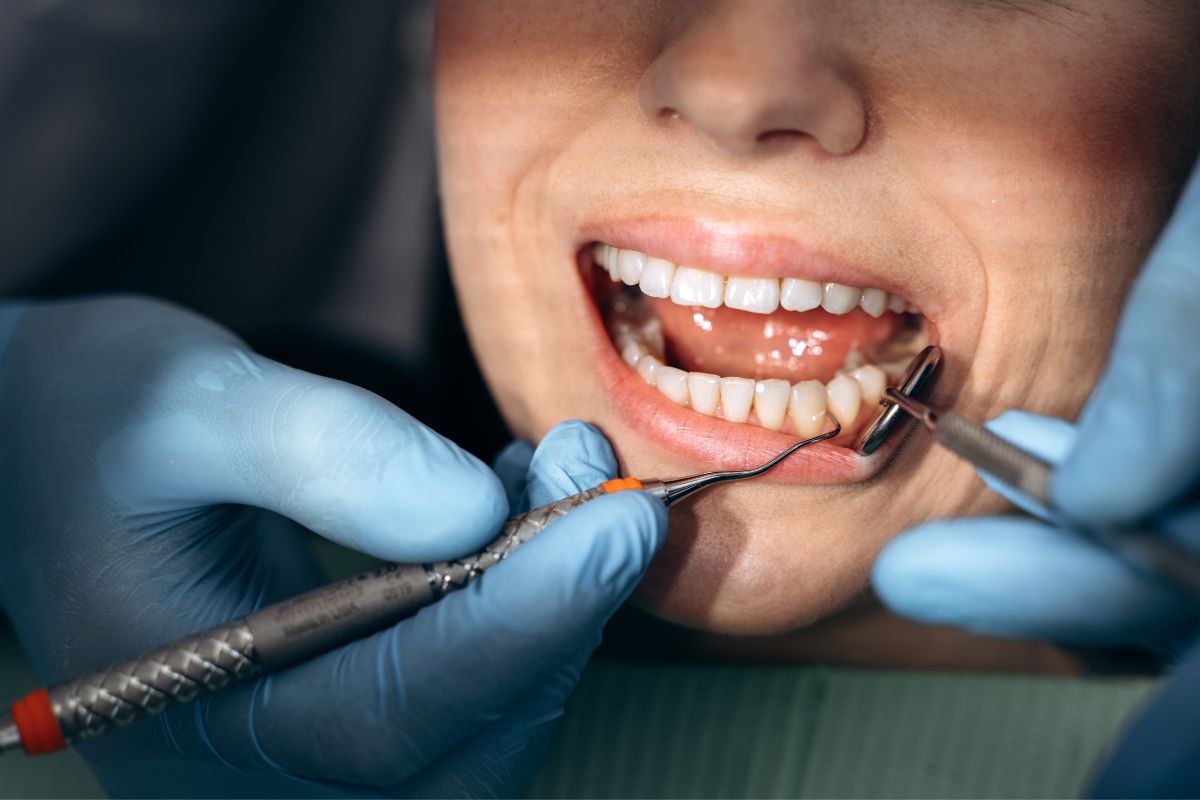
A healthy smile is about more than having straight-looking teeth. Crowding, gaps, and bite problems can affect how your teeth come together, how easily you clean your mouth, and how comfortable it is to chew. Fortunately, orthodontic treatment can often address several of these concerns as part of one coordinated treatment plan. For patients in Austin, understanding your options can make it easier to know when an orthodontic evaluation may be appropriate.
Orthodontic Treatment can help improve the position of teeth while also addressing certain bite and spacing concerns. River Rock Dental offers orthodontic care for patients in the Austin area, including Invisalign, retainers, and other treatment options. The right approach depends on your age, dental development, bite, oral health, and the specific alignment issues you have.
What Are Crowding, Spacing, and Bite Problems?
These are common alignment concerns that can occur individually or at the same time.
Crowding happens when there is not enough room for teeth to fit properly along the dental arch. Teeth may overlap, rotate, or become more difficult to clean.
Spacing refers to noticeable gaps between teeth. Some spaces are related to natural tooth size or jaw development, while others can develop because of missing teeth, habits, or changes in tooth position.
Bite problems occur when the upper and lower teeth do not come together as they should. Common examples include overbites, underbites, crossbites, and open bites.
Because these concerns can be connected, addressing them together may provide a more balanced result.
How Can Treatment Address Crowding?
When teeth are crowded, an orthodontic provider evaluates how much space is available and how the teeth are positioned.
Depending on the individual situation, treatment may gradually move teeth into better positions and create a more balanced alignment. This can make overlapping teeth easier to clean and may improve the overall appearance of the smile.
The treatment approach varies from patient to patient. Some people may be candidates for clear aligners, while others may benefit from traditional braces or another approach.
How Can It Correct Spacing?
Gaps between teeth can also be addressed by gradually moving teeth into more appropriate positions.
However, closing a space is not simply a matter of moving two teeth together. Your dentist or orthodontic provider needs to consider why the space exists, the health of the surrounding teeth and gums, and how closing the space may affect your overall bite.
Once the cause and position of the gap are understood, a personalized plan can help bring the teeth into better alignment.
How Does Treatment Improve Bite Problems?
Straight teeth are only part of the goal. Your upper and lower teeth also need to work together properly.
Treatment can help improve certain bite problems by gradually changing tooth positions. Depending on the type and severity of the issue, it may help address:
- Overbite
- Underbite
- Crossbite
- Open bite
- Uneven bite
- Teeth that do not meet properly
Improving the bite can help create a more balanced relationship between the upper and lower teeth.
Can All Three Problems Be Treated at the Same Time?
In many cases, yes.
Crowding, spacing, and bite problems can influence one another. For example, crowded teeth can affect how the upper and lower teeth meet. Similarly, correcting spacing without considering the bite may not provide the desired overall result.
A comprehensive plan looks at the teeth as a whole rather than treating each concern separately. Your provider may determine the ideal sequence for moving the teeth so that alignment, spacing, and bite are addressed as part of the same plan.
What Happens During an Evaluation?
Your first appointment typically involves an examination of your teeth and bite. Your provider may assess:
- The position of your teeth
- The amount of crowding or spacing
- How your upper and lower teeth meet
- Jaw development
- Gum and dental health
- Previous dental or orthodontic treatment
Dental X-rays, photographs, digital scans, or other diagnostic records may also be recommended depending on your needs.
This information helps your provider develop a plan based on your specific dental structure and goals.
Can Adults Have These Problems Corrected?
Yes. Alignment concerns are not limited to children and teenagers.
Adults may seek treatment because their teeth have shifted over time, because they never received care when they were younger, or because they want to improve both the appearance and function of their smile.
However, adults should have their teeth and gums evaluated before starting treatment. Existing dental concerns may need to be addressed first.
How Long Does Treatment Take?
Treatment time varies considerably.
A patient with minor spacing may need less time than someone with significant crowding and a more complicated bite problem. Age, tooth movement, treatment method, and the severity of the alignment issue can all influence the timeline.
Your provider can give you a more personalized estimate after examining your teeth and developing your plan. Following treatment instructions and attending scheduled appointments can also help treatment progress as planned.
Why Treat More Than Just Crooked Teeth?
Addressing alignment, spacing, and bite concerns together can provide benefits beyond appearance.
Better-aligned teeth may be easier to brush and floss, while a more balanced bite can improve how the teeth function together. Correcting certain alignment problems may also make daily oral hygiene easier.
Treatment does not prevent every future dental problem, but improving tooth alignment can be an important part of maintaining a healthy, functional smile.
Orthodontic Care in Austin
If you have crowded teeth, noticeable gaps, or a bite that does not feel right, an evaluation can help you understand your options.
River Rock Dental provides orthodontic services for patients in Austin, including Invisalign and other treatment options. A consultation can help determine whether treatment is appropriate for your needs and which approach may be most suitable.
Ready to Improve Your Smile?
Crowding, spacing, and bite problems do not always occur separately. Because these concerns can affect one another, a comprehensive plan can address multiple issues together rather than focusing only on how straight your teeth look.
If you are concerned about crowded teeth, gaps, or an uneven bite, consider scheduling an evaluation with a dental professional in Austin. River Rock Dental can help identify the underlying alignment concerns and explain the options available for your smile.
If you’re ready to learn more about your options, schedule a consultation with our team and take the next step toward a healthier, more balanced smile.
Frequently Asked Questions
1. Can Orthodontic Treatment fix crowded teeth and gaps at the same time?
Yes, depending on your specific dental condition. A customized plan can gradually reposition teeth to improve both crowding and spacing while also considering your bite.
2. Can bite problems be treated along with crooked teeth?
Often, yes. The treatment plan considers how the upper and lower teeth work together, not just whether individual teeth appear straight.
3. How do I know if I have a bite problem?
Signs may include difficulty chewing, teeth that do not meet evenly, frequent cheek biting, or noticeable differences between the upper and lower teeth. A dental evaluation is the best way to determine whether a bite problem exists.
4. Can adults correct crowding and spacing?
Yes. Adults can receive Orthodontic Treatment for many of the same alignment concerns as younger patients. Your dentist will first evaluate your teeth, gums, and overall oral health.
5. Will fixing my bite change the appearance of my smile?
It can. Improving the position of the teeth and the relationship between the upper and lower arches may change the overall appearance of your smile, although results vary by patient.
6. How long will it take to correct crowding, spacing, and bite problems?
There is no single treatment timeline. The duration depends on the severity of your alignment concerns, the type of treatment used, and how your teeth respond. Your provider can estimate the timeline after an examination.
Recent Post
Sep. 18, 2026
How Can Orthodontic Treatment Improve Crowding, Spacing, and Bite Problems Together?

Sep. 10, 2026
How Can I Protect a Broken or Damaged Tooth Until I Can Get Emergency Dental Care?
Sep. 02, 2026
How to Fix Minor Smile Imperfections Without Braces

Aug. 28, 2026
Your Neighborhood Dental Home Right in Mueller

Aug. 21, 2026