
512.807.6938

What Actually Happens When a Cavity Needs a Filling
August 5, 2026
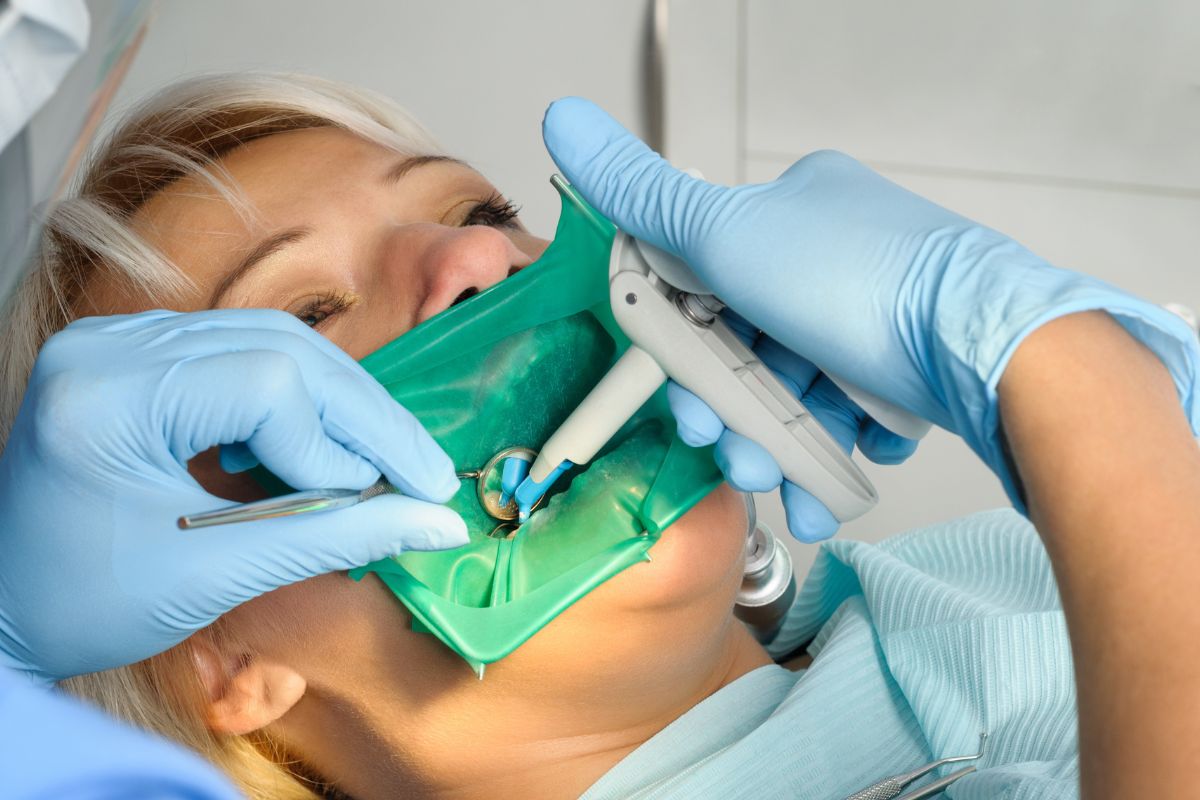
Hearing you have a cavity tends to trigger a small wave of dread, even though a filling is one of the most routine procedures in dentistry. Part of that reaction comes from old memories of loud drills and long numbness, and part of it is simply the discomfort of being told something’s wrong with your teeth. In reality, modern fillings are quick, precise, and far less dramatic than most people remember or expect.
Comfortable, tooth-colored dental fillings in Austin are one of the most common procedures performed at River Rock Dental, and for good reason: cavities are extremely common, and catching them early means the fix stays simple. Understanding what actually happens during the appointment tends to take a lot of the anxiety out of what’s otherwise a pretty routine visit.
Why cavities form in the first place
Tooth decay happens when bacteria in the mouth feed on sugars and starches left behind from food, producing acid as a byproduct. That acid gradually wears away at the enamel, the hard outer layer of the tooth, eventually creating a small hole, or cavity, that needs to be cleaned out and filled to prevent further damage. Left untreated, a cavity doesn’t stay small — it continues to grow, eventually reaching the inner layers of the tooth where a simple filling is no longer enough, and more involved treatment like a root canal becomes necessary instead.
A few common signs worth watching for at home:
- Sensitivity to hot, cold, or sweet foods and drinks
- Visible dark spots or discoloration on a tooth’s surface
- A small pit or hole that’s noticeable to the tongue
- Mild, occasional pain when biting down on a specific tooth
- Rough or jagged edges on a tooth that used to feel smooth
- Food consistently getting caught in the same spot between two teeth
What the filling appointment actually involves
Most filling appointments start with numbing the area around the affected tooth, ensuring the entire procedure is comfortable from start to finish. Once numb, the decayed portion of the tooth is carefully removed, leaving the healthy structure intact. The remaining space is then cleaned and prepared before being filled with a tooth-colored composite material, which is shaped and polished to blend naturally with the rest of the tooth.
The entire process typically takes somewhere between twenty and forty-five minutes per tooth, depending on the size and location of the cavity. Most patients are back to their normal routine the same day, with numbness wearing off within a couple of hours after the appointment.
Why tooth-colored fillings have largely replaced older materials
For decades, silver amalgam fillings were the standard option, and while they’re still used in some situations, tooth-colored composite fillings have become the preferred choice for most cases. Composite material bonds directly to the tooth structure, which can actually help strengthen the remaining tooth compared to older materials that simply filled the space without bonding. The cosmetic benefit is obvious too — composite fillings blend in naturally, meaning a filling on a visible front tooth doesn’t stand out the way an old-style silver filling would.
Why catching cavities early makes such a difference
A cavity caught early usually means a small, straightforward filling completed in a single visit with minimal discomfort. A cavity that’s ignored for months or years tends to grow, eventually requiring a larger filling, a crown, or in more advanced cases, a root canal to address infection that’s reached the tooth’s inner pulp. Beyond the increased cost and complexity, larger cavities are also simply more uncomfortable to deal with once symptoms finally do appear, often as a sudden, sharp toothache rather than the mild sensitivity that would have prompted an earlier visit.
Why so many patients wait longer than they should before addressing a cavity
A lot of hesitation around getting a filling scheduled comes down to a fear that’s often disproportionate to reality — old memories of a painful appointment, or simply the general discomfort of hearing bad news about your teeth. Once patients experience how quick and comfortable a modern filling actually is, that hesitation tends to disappear for future visits, and a lot of people report that the appointment itself was far less eventful than the anxiety leading up to it.
Why this comes up so often for Austin patients specifically
Austin’s food culture, with its endless supply of coffee shops, food trucks, and late-night queso, means a lot of frequent snacking and sipping throughout the day, which increases the overall exposure teeth get to sugar and acid. Combined with busy schedules that sometimes mean routine checkups slip further apart than they should, cavities catch a fair number of Austin patients off guard, especially when a six-month checkup stretches into a year or more without anyone noticing.
What recovery and aftercare look like
Aftercare for a filling is refreshingly simple compared to a lot of other dental procedures. Most patients can eat normally within a couple of hours once the numbness wears off, though it’s generally wise to avoid very hot or cold foods for the first day if the tooth feels a bit sensitive. Some mild sensitivity to temperature is normal for a few days after a filling, particularly for larger cavities, and typically resolves on its own without any additional treatment needed.
If sensitivity persists beyond a week or two, or if biting down on the tooth causes noticeable discomfort, it’s worth a quick follow-up call, since occasionally a filling needs a minor adjustment to the bite to sit perfectly comfortably. This is a normal, easy fix and not a sign anything went wrong with the original procedure.
How often cavities actually show up, even for people who brush regularly
It’s a common misconception that only people with poor oral hygiene get cavities. In reality, factors like genetics, the natural shape and spacing of your teeth, saliva composition, and even certain medications that cause dry mouth can all increase cavity risk regardless of how diligent someone is about brushing and flossing. Deep grooves on the chewing surfaces of molars, for example, are naturally more prone to trapping bacteria than smoother tooth surfaces, no matter how carefully someone brushes.
This is part of why regular checkups matter even for patients who feel confident about their home care routine. A dentist can spot the early signs of decay in hard-to-reach areas long before a cavity becomes noticeable at home, catching it while a small filling is still all that’s needed.
Pointers for preventing cavities between visits:
- Limit how often you snack or sip on sugary drinks throughout the day, since frequency matters more than total amount
- Rinse with water after eating or drinking something acidic or sugary if brushing isn’t immediately possible
- Keep up with regular checkups, since small cavities are far easier and cheaper to treat than large ones
- Use a fluoride toothpaste consistently, since fluoride helps strengthen enamel against acid attacks
- Don’t ignore mild sensitivity, since it’s often one of the earliest signs something’s starting to develop
If a tooth has been bothering you, or it’s simply been a while since your last checkup, getting it looked at sooner rather than later almost always makes for a simpler, more comfortable fix. Scheduling a visit is a quick way to find out exactly where things stand and get ahead of any small issue before it becomes a bigger one, and most patients walk out relieved at how straightforward the whole process turned out to be.
FAQs
Does getting a filling hurt?
No, the area is fully numbed beforehand, so most patients feel pressure rather than pain.
How long does a filling appointment typically take?
Usually twenty to forty-five minutes per tooth, depending on the size of the cavity.
Are tooth-colored fillings as durable as silver ones?
Yes, modern composite materials are strong and long-lasting for most everyday use.
How do I know if I have a cavity?
Sensitivity, visible spots, or mild pain when biting are common early signs.
Can a cavity go away on its own without treatment?
No, cavities don’t heal themselves and need to be treated before they worsen.
Recent Post

Oct. 12, 2026
Small Cavities Caught Early Cost $200, Ignored They Cost $2000
Sep. 25, 2026
Why Does One Tooth Look Darker Than the Others?
Sep. 18, 2026
How Can Orthodontic Treatment Improve Crowding, Spacing, and Bite Problems Together?

Sep. 10, 2026
How Can I Protect a Broken or Damaged Tooth Until I Can Get Emergency Dental Care?
Sep. 02, 2026