
512.807.6938

What to Actually Expect When Wisdom Teeth Need to Come Out
July 28, 2026
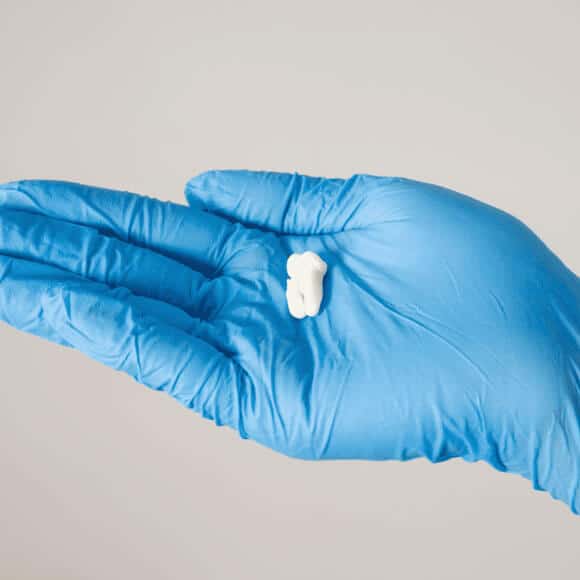
For a lot of people, wisdom teeth are one of those looming dental topics that gets put off out of pure dread — stories from friends about swollen cheeks and days on the couch don’t exactly make anyone eager to schedule the appointment. But leaving problem wisdom teeth alone can lead to bigger issues, from crowding to infection to damage to neighboring teeth.
River Rock Dental handles a steady stream of these cases, and one of the most common things patients say afterward is that it wasn’t nearly as bad as they expected. Same-week wisdom teeth extraction consultations in Austin are usually more routine than people assume, especially when the issue is caught before the teeth cause real problems.
Signs it might be time to get evaluated:
- Jaw pain or pressure toward the back of the mouth
- Swelling or tenderness near the gumline behind your molars
- Teeth coming in at an angle or only partially breaking through
- Crowding that seems to be affecting your other teeth
- Recurring infections or bad taste near the back of the mouth
- Difficulty fully opening your jaw or chewing comfortably
Austin’s college-age population, thanks to UT and the surrounding schools, means a lot of patients getting this done are in their late teens and early twenties — often right around when wisdom teeth start causing issues. Getting it handled before a busy semester or a big life event tends to make recovery a lot more manageable, since students especially want to plan around exams and breaks.
What the recovery period actually looks like
Most patients are advised to plan for a few days of rest immediately after the procedure, sticking to soft foods like yogurt, mashed potatoes, and smoothies while avoiding straws, which can dislodge the healing blood clot and lead to a painful condition called dry socket. Mild swelling and discomfort in the first 48 hours is normal and typically managed well with over-the-counter pain relief or a prescribed medication if needed. By day four or five, most people feel significantly better and are back to their normal routine, though full healing of the gum tissue can take a few weeks longer.
FAQs
Does everyone need their wisdom teeth removed? No — some people have enough room and properly aligned wisdom teeth that cause no issues. An evaluation, often with an X-ray, determines whether removal is recommended.
How long is the recovery? Most people feel noticeably better within three to five days, though full healing can take a bit longer.
Will I be sedated for the procedure? Sedation options are available and commonly used, and the right choice depends on how many teeth are being removed and your comfort level.
What should I plan for afterward? Plan on a few days of rest, soft foods, and avoiding strenuous activity while the area heals.
Is it better to remove wisdom teeth before they start causing problems? Often yes — removing them proactively, before infection or crowding sets in, tends to make the whole process more straightforward.
Can I go back to work or school right away? Most patients take a few days off to recover comfortably, though this can vary depending on the complexity of the extraction and your individual healing.
If wisdom teeth have been causing discomfort or you’ve simply been putting off getting them checked, an evaluation is a straightforward way to find out what your specific situation actually calls for, and to get ahead of it before it turns into something more painful.
Recent Post

Oct. 12, 2026
Small Cavities Caught Early Cost $200, Ignored They Cost $2000
Sep. 25, 2026
Why Does One Tooth Look Darker Than the Others?
Sep. 18, 2026
How Can Orthodontic Treatment Improve Crowding, Spacing, and Bite Problems Together?

Sep. 10, 2026
How Can I Protect a Broken or Damaged Tooth Until I Can Get Emergency Dental Care?
Sep. 02, 2026