
512.807.6938

For Anyone Who’s Avoided the Dentist Out of Pure Anxiety
July 14, 2026
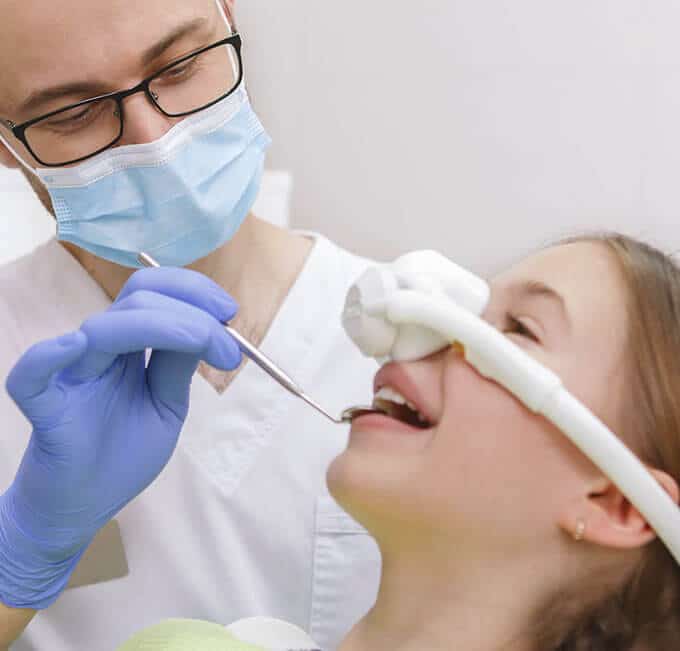
There’s a particular kind of dread that comes with sitting in a dental waiting room when you already know you’re anxious about what’s ahead. The sound of the suction, the bright light overhead, the feeling of not being in control — for some people, it’s enough to skip appointments for years, even when they know a problem is getting worse in the meantime and quietly hope it just goes away on its own.
River Rock Dental has worked with plenty of patients who fall into exactly that category, and the approach starts with something simple: taking the anxiety seriously instead of brushing past it. Comfortable sedation dentistry options in Austin aren’t reserved for major oral surgery — they’re just as commonly used for routine cleanings, fillings, or any visit where nerves are getting in the way of getting care that’s otherwise straightforward.
Options generally fall into a few categories:
- Nitrous oxide (laughing gas), which wears off quickly and is well suited for milder anxiety
- Oral sedatives taken before the appointment for a deeper sense of calm
- IV sedation for more involved procedures or higher levels of anxiety
- Simple pacing adjustments, like breaks and clear communication, for patients who prefer to stay fully alert
- A combination approach for patients with more than one specific trigger
The goal isn’t to push everyone toward the strongest option available — it’s figuring out what actually fits your comfort level and the procedure at hand. Austin has grown fast over the last several years, and with that growth comes a lot of new residents from other states still looking for a dental home. It’s common for a first appointment to start with an honest conversation about what’s made past visits difficult, whether that’s needles, gagging, or just feeling out of control in the chair.
What a sedation consultation typically involves
Before recommending any sedation option, the team reviews your full health history, current medications, and any past reactions to sedation or anesthesia. This isn’t just a formality — it directly shapes which option is safest and most effective for you specifically. From there, the conversation shifts to what’s actually triggering your anxiety. Some patients are fine with the procedure itself but panic at the sound of the drill. Others are more bothered by the numbing injection than anything else. Identifying the specific trigger often changes which sedation approach makes the most sense, and sometimes a milder option paired with better communication is enough, without needing to go straight to something stronger.
FAQs
Will I remember the appointment afterward? With lighter sedation, often yes, though many patients describe the time passing much faster than expected. Deeper sedation may result in limited memory of the visit.
Is sedation safe for routine procedures? Yes, when used appropriately and after a review of your health history. It’s tailored to the individual and the specific treatment.
Do I need someone to drive me afterward? Depending on the level used, yes — this is discussed clearly ahead of time so you can plan your day accordingly.
Can sedation be used for kids too? In some cases, yes, though it depends on the child’s age, the procedure, and their specific needs, and would be discussed individually.
Will my dental anxiety be treated as a big deal or brushed off? It’s treated as a legitimate part of your care plan, not an inconvenience. Being upfront about what makes you anxious actually helps the team plan a better appointment for you.
What if I’ve never tried sedation before and I’m nervous about that too? That’s a common feeling, and the team can walk you through exactly what to expect step by step before you commit to anything.
If dental anxiety has kept you from getting the care you need, there’s no reason to keep pushing through it alone. A conversation about your specific concerns is usually the first step toward a much more comfortable experience, and often the thing that finally gets people back into regular care after years away.
Recent Post

Oct. 12, 2026
Small Cavities Caught Early Cost $200, Ignored They Cost $2000
Sep. 25, 2026
Why Does One Tooth Look Darker Than the Others?
Sep. 18, 2026
How Can Orthodontic Treatment Improve Crowding, Spacing, and Bite Problems Together?

Sep. 10, 2026
How Can I Protect a Broken or Damaged Tooth Until I Can Get Emergency Dental Care?
Sep. 02, 2026