
512.807.6938

Tips for Caring for New Dental Fillings in Austin’s Climate
December 30, 2025
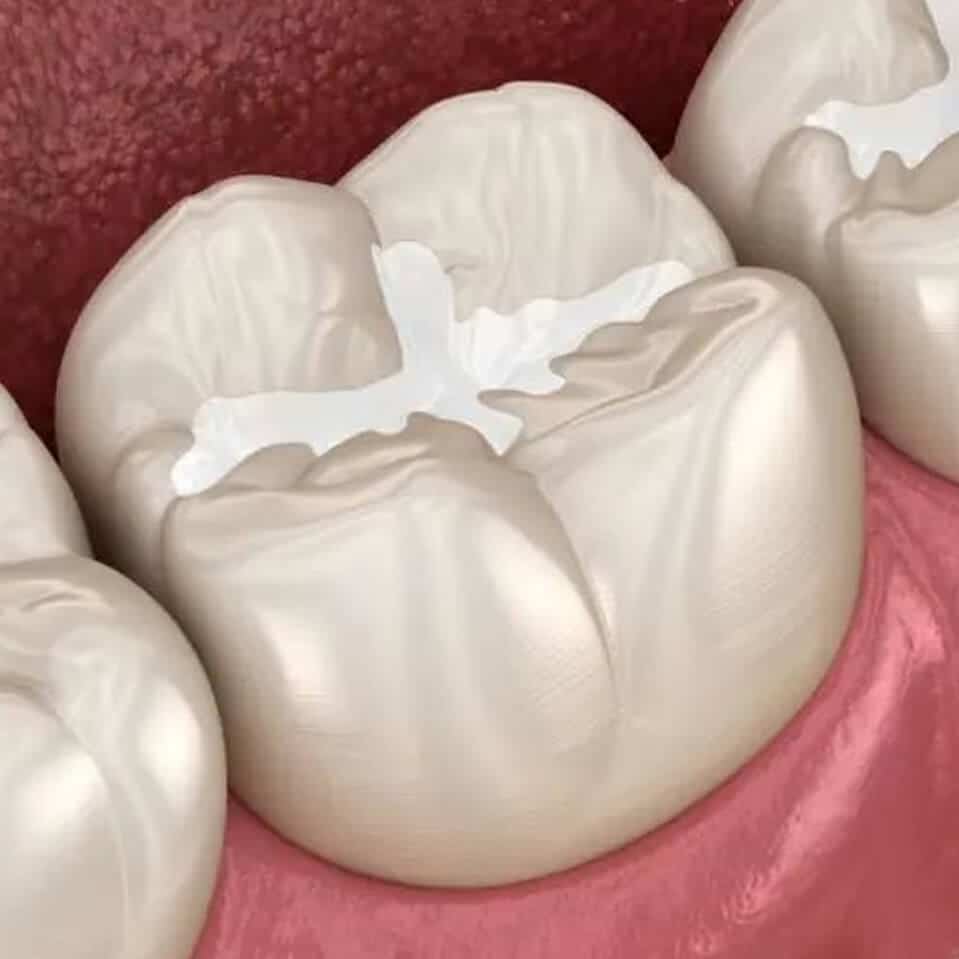
Getting a dental filling is a common step toward protecting your smile, but what happens after the appointment matters just as much as the treatment itself. The way you care for your new filling can significantly influence its longevity, comfort, and effectiveness in protecting your tooth over time.
Living in Austin adds a unique layer to post-treatment care. Between hot summers, sudden weather shifts, outdoor lifestyles, and a food scene full of bold flavors, your teeth experience daily challenges that patients in other regions may not. Understanding how local conditions affect your oral health can help you avoid unnecessary sensitivity, discomfort, or early wear.
Below are practical, dentist-approved tips designed specifically for Austin residents who want their dental work to last—and feel great—long after the numbness wears off.
Why the First Few Weeks Matter More Than You Think
Right after a filling is placed, your tooth and surrounding tissue are still adjusting. Even though modern materials harden quickly, the bond between the filling and your natural tooth continues to settle.
During this time, temperature changes, chewing habits, and hydration levels can influence comfort and longevity. That’s especially important in Central Texas, where triple-digit heat, cold air conditioning, and dehydration are part of everyday life.
After the first 100 days of proper care, your filling is far more likely to remain stable and problem-free for years.
How Austin’s Climate Affects Dental Fillings
Austin’s environment can impact dental restorations in subtle but important ways.
• Heat and dehydration can reduce saliva flow, increasing the risk of sensitivity and plaque buildup
• Cold drinks and AC exposure may trigger temporary tooth sensitivity
• Outdoor activities raise the chance of teeth grinding or clenching from physical stress
• Spicy and acidic foods common in Austin can irritate newly restored teeth
Understanding these factors helps you make smarter choices during daily routines.
Smart Habits That Protect Your New Filling
Here are practical, easy-to-follow tips you can start using right away.
• Stay hydrated throughout the day to support healthy saliva production
• Avoid chewing on ice, hard candies, or popcorn kernels, especially in the first two weeks
• Limit extremely hot or cold foods until sensitivity fully subsides
• Use a soft-bristled toothbrush and gentle pressure
• Floss carefully around the filling to prevent gum irritation
These habits reduce stress on the restoration while helping your mouth adjust naturally.
What to Eat and What to Avoid After a Filling
Austin’s food culture is part of what makes the city special, but certain foods can challenge a new restoration.
Good choices in the first few days include:
• Yogurt, eggs, and smoothies
• Soft tacos and rice bowls
• Cooked vegetables and pasta
Foods to limit temporarily:
• Crunchy chips and nuts
• Sticky candies
• Very spicy or acidic dishes
Once sensitivity fades, most people can return to a normal diet without restrictions.
Sensitivity Is Normal—But It Shouldn’t Last Forever
Mild sensitivity to temperature or pressure is common after dental fillings in Austin, especially in the first couple of weeks. However, discomfort should gradually improve, not worsen.
Contact your dentist if you notice:
• Pain when biting down
• Sensitivity that lasts longer than three weeks
• Sharp discomfort triggered by sweet foods
• A filling that feels uneven
Early adjustments can prevent bigger problems later.
Don’t Skip Routine Checkups Even If Everything Feels Fine
Many issues with fillings aren’t visible or painful right away. Regular dental visits allow your dentist to check the seal, bite alignment, and surrounding enamel before small concerns turn into repairs.
For Austin residents juggling work, family, and busy schedules, preventive visits often save time and money in the long run.
How Stress and Teeth Grinding Play a Role
Austin’s fast-paced lifestyle can sometimes show up in unexpected ways, like nighttime teeth grinding or jaw clenching. These habits place added pressure on restorations and can shorten their lifespan.
If you wake up with jaw tension or headaches, your dentist may recommend a night guard to protect both your fillings and natural teeth.
When to Call Your Dentist Instead of Waiting It Out
It’s easy to assume discomfort will fade on its own, but certain signs shouldn’t be ignored.
Reach out if:
• Pain increases instead of improving
• The filling feels loose or cracked
• You notice swelling or gum tenderness near the tooth
Prompt care helps protect your investment and your overall oral health.
Frequently Asked Questions
How long should sensitivity last after a filling?
Most sensitivity fades within one to three weeks. If it lasts longer, an evaluation is recommended.
Can the Austin heat affect my fillings?
Extreme temperature changes don’t damage fillings directly, but dehydration and sensitivity can make teeth feel uncomfortable.
Is it okay to exercise after getting a filling?
Yes, but avoid clenching your jaw during intense workouts, especially in the first few days.
How long do modern fillings typically last?
With proper care and regular checkups, many fillings last 10 years or longer.
Protect Your Smile with Personalized Care
Dental restorations are meant to support your lifestyle, not limit it. With the right habits and professional guidance, your dental fillings, Austin residents rely on, can stay comfortable, durable, and virtually unnoticeable.
If you’ve recently received a filling or have questions about maintaining your oral health in Austin’s unique environment, the team at River Rock Dental Family is here to help. Schedule your appointment today and keep your smile strong for years to come.
Recent Post

Oct. 12, 2026
Small Cavities Caught Early Cost $200, Ignored They Cost $2000
Sep. 25, 2026
Why Does One Tooth Look Darker Than the Others?
Sep. 18, 2026
How Can Orthodontic Treatment Improve Crowding, Spacing, and Bite Problems Together?
Sep. 10, 2026
How Can I Protect a Broken or Damaged Tooth Until I Can Get Emergency Dental Care?
Sep. 02, 2026