
512.669.5147

Can Dentures Improve Your Quality of Life? Exploring the Benefits
November 28, 2023

Are you tired of hiding your smile? Do you find yourself avoiding social situations because of missing or damaged teeth? If so, dentures may be the solution you’ve been searching for. Dentures are not only a reliable and affordable way to restore your smile but can also greatly improve your overall quality of life.
What are Dentures?
What are dentures? Dentures, also known as false teeth, are removable replacements for missing teeth and surrounding tissues. They are custom-made to fit your mouth and can be either full or partial. Full dentures replace all of the natural teeth in either the upper or lower jaw, while partial dentures only replace a few missing teeth.
Made from durable materials such as acrylic resin and metal, dentures not only restore your smile but also help improve your ability to chew and speak properly. They provide support for your facial muscles, preventing sagging and giving you a more youthful appearance.
Getting dentures involves several steps. First, your dentist will take impressions of your mouth to create models that will be used to craft the denture. Once the proper fit is achieved, adjustments may be made to ensure optimal comfort.
Dentures come with various options for attachment including adhesive paste or clips that securely hold them in place during everyday activities like eating and speaking.
How Dentures Can Improve Your Quality of Life
If you’re missing teeth, you may have experienced the negative impact it can have on your quality of life. Eating certain foods becomes difficult, speaking clearly might be a challenge, and your self-confidence may take a hit. However, dentures can offer a solution to these problems.
Dentures restore your ability to chew and enjoy a variety of foods. With properly fitted dentures, you’ll no longer have to avoid certain foods or struggle with discomfort while eating. This means you can once again savor all the flavors and textures that make meals enjoyable.
Furthermore, dentures improve your speech by filling in the gaps left by missing teeth. You’ll find that pronouncing words correctly becomes easier as your tongue has more support from full or partial dentures.
Benefits of Wearing Dentures
Improved Appearance: One of the key benefits of wearing dentures is that they can greatly enhance your appearance. Missing teeth can make you feel self-conscious and affect your confidence when smiling or speaking. By replacing missing teeth with dentures, you can restore a natural-looking smile and regain your self-esteem.
Enhanced Speech: Missing teeth can negatively impact your speech by causing slurring or difficulty in pronouncing certain words or sounds. Dentures help to fill in the gaps left by missing teeth, allowing for clearer and more articulate speech.
Better Chewing Ability: When you’re missing teeth, it can be challenging to chew properly, leading to difficulties in eating certain foods. Dentures provide a functional replacement for missing teeth, enabling you to enjoy a greater variety of foods and improving overall digestion.
Supports Facial Structure: Without the support of teeth, facial muscles can sag over time, resulting in a sunken appearance and premature aging. Dentures help maintain proper facial structure by providing support to these muscles, giving you a more youthful look.
Boosted Self-Confidence: Restoring your smile with dentures not only improves physical aspects but also has significant positive psychological effects. With regained confidence in their appearance and ability to eat comfortably, people often experience an uplifted mood and increased self-assurance.
Affordability: Compared to other tooth replacement options like dental implants or bridges, dentures are generally more affordable upfront. This makes them an accessible option for individuals who may have budget constraints but still want effective tooth replacement solutions.
Maintaining and Caring for Your Dentures
1. Clean them regularly: Just like natural teeth, dentures require regular cleaning to remove food particles, bacteria, and stains. Use a soft-bristle toothbrush or a specialized denture brush along with mild soap or denture cleanser to clean all surfaces thoroughly.
2. Handle with care: When handling your dentures, be sure to do so over a basin filled with water or a folded towel on the counter. This prevents accidental dropping, which could cause damage.
3. Soak overnight: To keep your dentures moist when not wearing them, soak them in water or a recommended soaking solution overnight. This helps prevent warping and keeps the materials from drying out.
4. Avoid hot water: Never expose your dentures to hot water as it may cause distortion of their shape.
5. Regular dental check-ups: Schedule routine visits with your dentist for professional cleanings and examinations of both your mouth and dentures.
6. Repair or replace when necessary: Over time, wear and tear may occur on your dentures or they may become loose-fitting due to changes in gum tissue shape. If you notice any cracks, chips, or other damage on your prosthetic teeth, consult with your dentist promptly for repairs or replacements.
Recent Post
Sep. 02, 2026
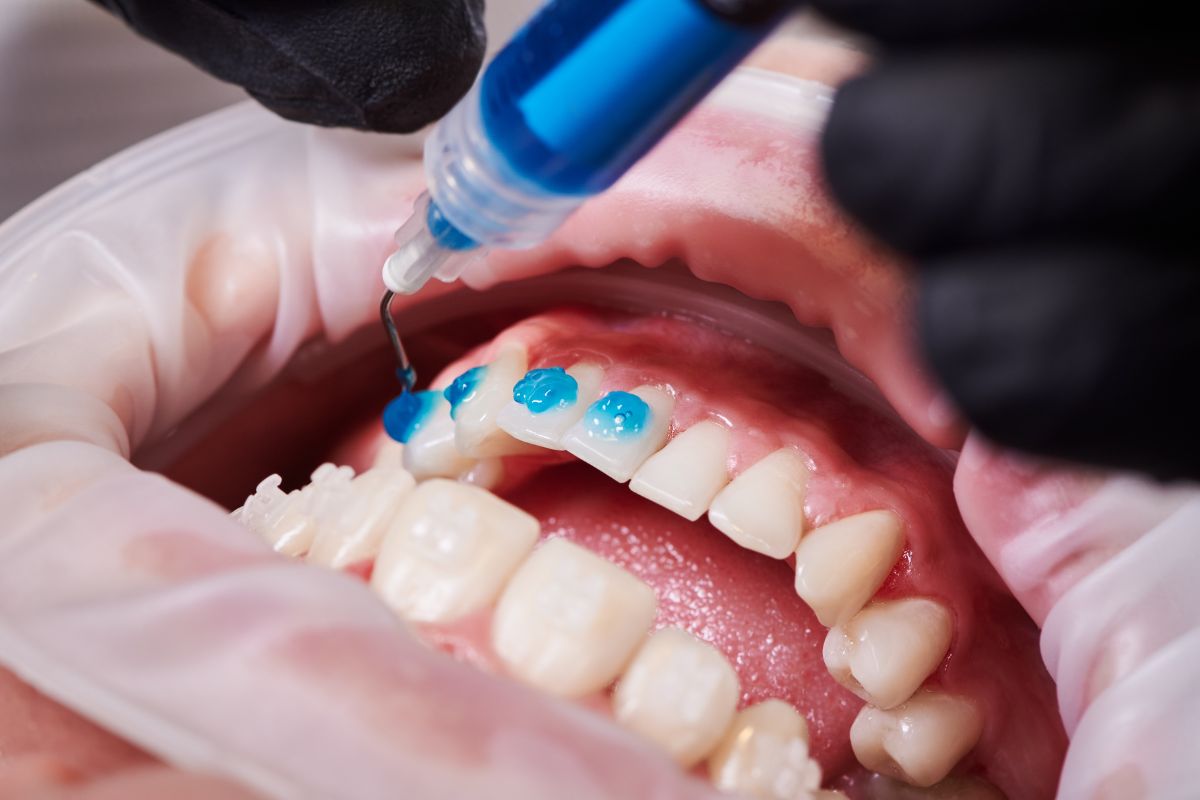
How to Fix Minor Smile Imperfections Without Braces
Aug. 28, 2026
Your Neighborhood Dental Home Right in Mueller

Aug. 21, 2026
Making Your Kid’s Dental Visits Something They Actually Look Forward To

Aug. 11, 2026
The Fastest Way to Fix Chips, Gaps, and Uneven Edges
Aug. 05, 2026
