
512.807.6938

Understanding the Step-by-Step Process of Full Mouth Dental Implants
June 28, 2023
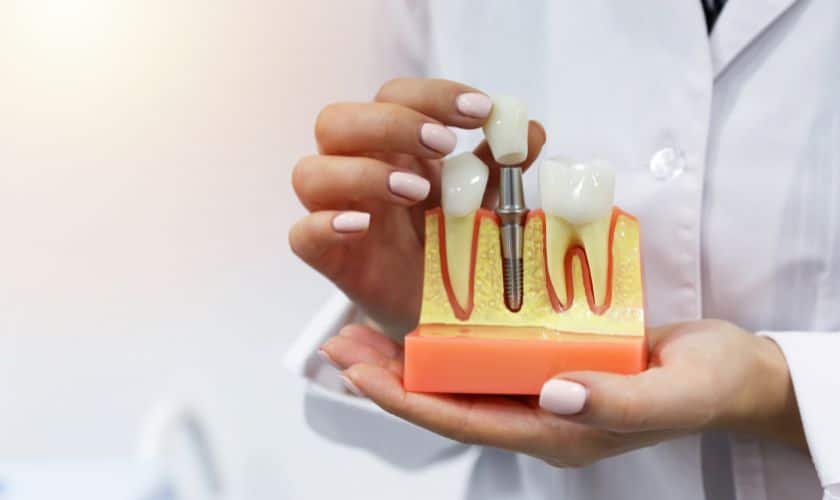
Get ready to flash your brightest smile! Full mouth dental implants are the ultimate solution for those seeking a complete restoration of their teeth. Whether you’ve suffered from tooth loss due to injury, decay, or other oral health issues, full mouth dental implants can transform your smile and boost your confidence. But what exactly are they? In this blog post, we’ll dive into the step-by-step process of full mouth dental implants, explore the different types available, discuss their benefits, and help guide you in choosing the right option for you. So let’s embark on this journey towards a brand new smile that will leave everyone in awe!
What is a full mouth dental implant?
A full mouth dental implant is a comprehensive and permanent solution for individuals who are missing most, if not all of their teeth. Unlike traditional dentures or bridges that sit on top of the gums, dental implants involve surgically placing titanium posts into the jawbone to serve as artificial tooth roots. These posts act as stable anchors for prosthetic teeth, creating a strong foundation for a full set of natural-looking and functional teeth.
By replacing an entire arch or both arches of teeth, full mouth dental implants provide patients with numerous benefits. They restore proper chewing functionality, allowing individuals to enjoy their favorite foods without difficulty. They enhance speech clarity by providing stability and preventing slippage commonly associated with removable dentures. Moreover, these implants improve overall oral health by preserving the integrity of the jawbone and preventing bone loss.
There are different types of dental implants available depending on individual needs and preferences. Traditional full-arch implant solutions use multiple implants per arch to support fixed bridgework or overdentures securely in place. All-on-4 is another popular option where only four strategically placed implants can support an entire upper or lower arch restoration.
When considering a full mouth dental implant treatment plan, it’s important to consult with your dentist or oral surgeon to determine which option is best suited for your specific case. Factors such as bone density, gum health, budget considerations, and desired outcome will play a role in choosing the right type of implant procedure.
The step-by-step process begins with an initial consultation where your dentist will assess your oral health condition through X-rays and scans. This evaluation helps determine if any preliminary treatments like extractions or bone grafting are necessary before proceeding with the implant surgery itself.
Once you’re ready for surgery day (don’t worry – anesthesia ensures minimal discomfort), small incisions are made in the gums to expose the underlying jawbone where titanium posts will be inserted precisely at predetermined locations. Over time, these implants will fuse with the bone in a process called os
The different types of dental implants
When it comes to dental implants, there are several different types that can be used for a full mouth restoration. One option is the traditional implant, which consists of a titanium post that is surgically placed into the jawbone. This type of implant provides a stable foundation for replacement teeth and allows for natural-looking results.
Another option is the All-on-4 dental implant system, which uses four strategically placed implants to support an entire arch of teeth. This technique offers immediate results and can often be completed in just one day. It’s a great choice for individuals who have limited bone density or want to avoid lengthy treatment times.
For those who have suffered significant bone loss, zygomatic implants may be recommended. These implants anchor into the cheekbone instead of the jawbone, providing stability even when there isn’t enough bone structure present.
Mini dental implants are another alternative, particularly suited for patients with smaller teeth or narrow spaces between their existing teeth. These smaller-sized implants offer faster healing times and require less invasive surgery compared to traditional options.
Choosing the right dental implant will depend on your unique circumstances and goals. Consulting with an experienced dentist or oral surgeon is crucial in determining which type of implant will best suit your needs.
Remember that each patient’s situation is unique so what works well for one person may not necessarily work as effectively for another individual. By working closely with your dentist or oral surgeon, you can find the perfect solution to achieve a confident smile through full mouth dental implants!
What are the benefits of a full mouth dental implant?
The decision to undergo a full mouth dental implant procedure can be life-changing. Not only does it restore your smile, but it also offers numerous benefits that go beyond just aesthetics.
One of the main advantages of getting full mouth dental implants is improved oral health. Unlike other restorative options like dentures or bridges, dental implants stimulate the jaw bone and prevent bone loss. This helps maintain the natural shape of your face and prevents sagging or sunken cheeks.
Another benefit is long-term durability. Dental implants are designed to last a lifetime with proper care. They are made from strong materials like titanium, which fuse with the jawbone for optimal stability and functionality.
Full mouth dental implants also offer enhanced comfort and convenience compared to traditional dentures. Unlike removable solutions, they feel and function just like natural teeth, allowing you to eat, speak, and smile confidently without worrying about slippage or discomfort.
Furthermore, dental implants have a positive impact on self-esteem and confidence. Restoring your smile can significantly improve how you perceive yourself and how others perceive you as well.
In addition to these immediate benefits, full mouth dental implants can also help preserve overall oral health in the long run by preventing further tooth decay or gum disease in surrounding teeth.
With all these advantages in mind, it’s no wonder that many people choose full mouth dental implants as their preferred option for restoring their smiles!
How do you choose the right dental implant for you?
Choosing the right dental implant for your full mouth restoration is a crucial decision that can significantly impact the success and longevity of your treatment. With so many options available, it’s important to consider several factors before making a choice.
You’ll want to consult with an experienced implant dentist who can assess your oral health and provide recommendations based on your specific needs. They will evaluate factors such as bone density, gum health, and bite alignment to determine which type of implant will best suit you.
Next, consider the materials used in the implants. Titanium implants are commonly used due to their biocompatibility and durability. However, there are also zirconia implants available for those with metal allergies or aesthetic preferences.
Another aspect to consider is the design of the implant restoration. Depending on your individual case, you may require single-tooth implants or an implant-supported bridge or denture. Your dentist will take into account factors such as stability, function, aesthetics, and long-term maintenance when recommending a suitable option.
Cost is also a significant consideration for many patients. Dental insurance coverage varies greatly for implant procedures; therefore it’s essential to discuss financial aspects with your dentist beforehand.
Choosing the right dental implant requires careful consideration of various factors including oral health assessment by an experienced professional , material selection , design considerations , cost implications . By taking these aspects into account and working closely with your dentist throughout the decision-making process , you’re more likely to achieve optimal results from your full mouth dental implant procedure
What are the steps in the step-by-step process of a full mouth dental implant?
The step-by-step process of a full mouth dental implant involves several stages that are carefully planned and executed to ensure the best results. Here is an overview of the typical steps involved:
1. Initial consultation:
The first step is to meet with your dentist or oral surgeon for a comprehensive examination and discussion about your specific needs and goals.
2. Treatment planning:
Based on your examination, a customized treatment plan will be created, outlining the number of implants needed, any necessary extractions or bone grafting procedures, and the timeline for each stage.
3. Preparatory procedures:
If you have any damaged teeth that need to be removed or if there is insufficient jawbone density, preparatory procedures such as extractions or bone grafting may be required before implant placement can begin.
4. Implant placement:
Once the jawbone has healed sufficiently after any preparatory procedures, small titanium posts will be surgically placed into the jawbone at precise locations determined by digital imaging technology.
5. Osseointegration:
Over a period of several months, osseointegration occurs as the surrounding bone fuses with the titanium implants, creating a strong foundation for your new teeth.
6. Abutment placement:
After osseointegration is complete, abutments – connector pieces between implants and prosthetic teeth – are attached to provide access points for attaching artificial teeth in later stages.
7. Final restoration:
Impressions are made of your mouth to create custom-made prosthetic teeth that match your natural smile in shape and color. These prosthetic teeth are then securely attached to the abutments using dental cement or screws.
8. Follow-up care:
Regular check-ups with your dentist will allow them to monitor healing progress, make any necessary adjustments, and provide guidance on how best to care for your new full-mouth dental implants long-term.
Remember that every patient’s journey may vary slightly depending on their unique circumstances and requirements but understanding the general steps involved can help you feel more informed and prepared for the process
What to expect during and after surgery
After months of careful planning and preparation, the day of your full mouth dental implant surgery has finally arrived. As you step into the dentist’s office, a mix of excitement and nerves fills the air. But fear not, for you are about to embark on a life-changing journey towards a beautiful smile.
During the surgery itself, you will be under anesthesia to ensure your comfort throughout the procedure. The surgeon will begin by making small incisions in your gums to expose the jawbone. Then, titanium implants will be carefully placed into these openings. This may take some time as each implant is strategically positioned for optimal support.
Once all the implants are in place, temporary crowns or dentures may be attached while your mouth heals and adjusts to its new foundation. It is normal to experience some swelling and discomfort during this initial recovery period.
In the days following surgery, it is crucial to follow post-operative instructions provided by your dentist or oral surgeon diligently. You may need to adhere to a soft-food diet during this time and avoid strenuous activities that could disrupt healing.
Over time, as your jawbone fuses with the implants through a process called osseointegration, your permanent restorations can be custom-made and securely attached. This final phase marks an exciting milestone as you witness firsthand how these dental implants transform both functionally and aesthetically.
As with any surgical procedure, it is important to remember that everyone’s experience varies slightly based on individual circumstances. Your dentist will guide you through each step of this process while ensuring that you feel informed and comfortable along the way.
So take heart – although there may be moments of unease during this journey towards full mouth dental implants – know that they pave the way for a brighter future where confidence shines through every smile!
Conclusion
Full mouth dental implants offer a comprehensive solution for individuals who have lost all or most of their teeth. They provide numerous benefits, including improved oral health, restored functionality, enhanced aesthetics, and increased confidence. Choosing the right dental implant requires careful consideration of factors such as bone density, overall oral health, and personal preferences. Consulting with a qualified Austin dentist or oral surgeon is crucial to determine the best option for your specific needs. The step-by-step process of full mouth dental implants involves several stages, including initial consultation and examination, treatment planning and preparation, implant surgery, healing period with temporary restorations if needed), and finally placing the permanent prosthetic teeth.
During the surgery itself, you can expect to be under anesthesia while the implants are placed into your jawbone. Some discomfort may be experienced during the recovery period but can usually be managed with pain medication prescribed by your dentist. It’s important to follow post-surgery instructions carefully to ensure proper healing and minimize complications. Regular check-ups will also be necessary to monitor progress and make any adjustments if needed. Remember that each individual case is unique when it comes to full mouth dental implants.
It’s essential to consult with an experienced professional who can assess your specific situation and guide you through the entire process. With full mouth dental implants providing a long-lasting solution for missing teeth restoration,
you can look forward to enjoying a beautiful smile once again! So don’t let tooth loss hold you back from living life to its fullest. Consider exploring the option of full mouth dental implants today!
Recent Post

Oct. 12, 2026
Small Cavities Caught Early Cost $200, Ignored They Cost $2000
Sep. 25, 2026
Why Does One Tooth Look Darker Than the Others?
Sep. 18, 2026
How Can Orthodontic Treatment Improve Crowding, Spacing, and Bite Problems Together?

Sep. 10, 2026
How Can I Protect a Broken or Damaged Tooth Until I Can Get Emergency Dental Care?
Sep. 02, 2026