
512.807.6938

Understanding the Distinctions between Dental and Oral Surgery
June 27, 2023
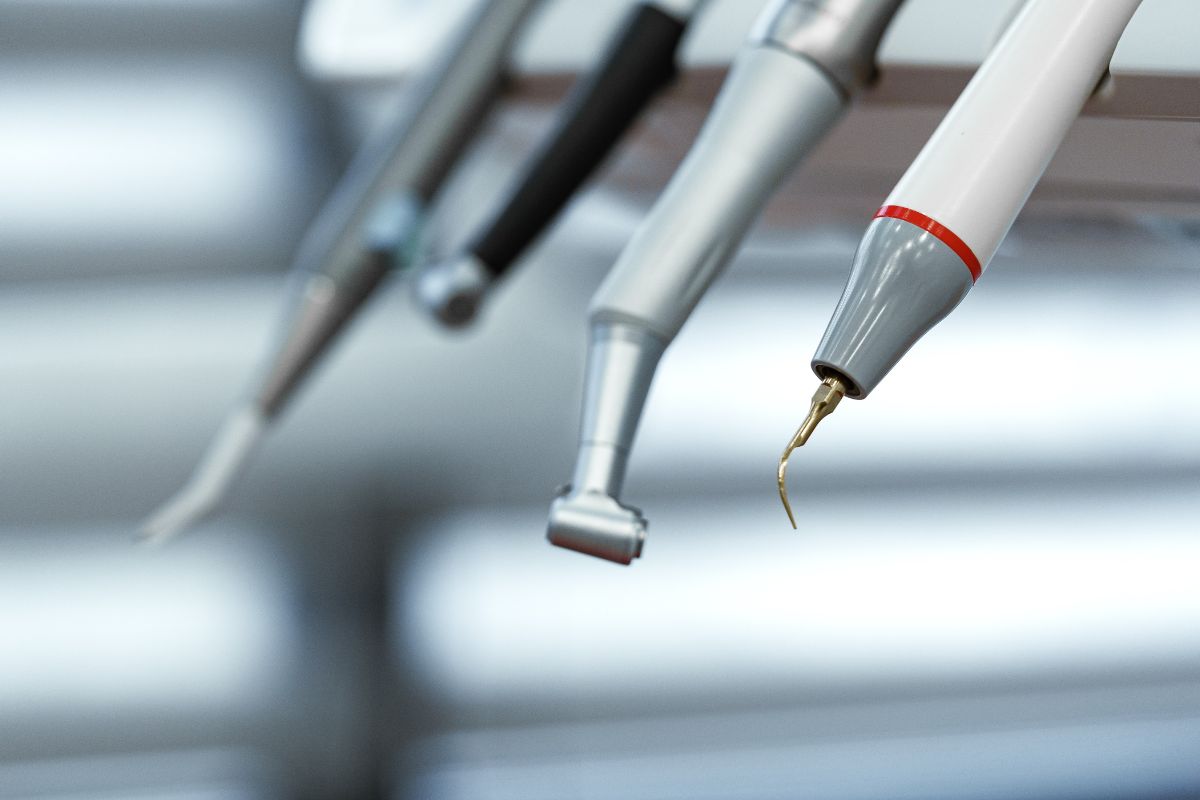
Imagine a scenario where you need to get a tooth extracted or have some oral issues that need immediate attention. You are confused whether to visit a dentist or an oral surgeon, right? Well, fret not! Because in this blog post we will help you understand the distinctions between dental and oral surgery. From different types of procedures to equipment used, we’ve got everything covered for you. So sit back, relax and let’s dive into the world of dentistry and oral surgery!
What is Oral Surgery?
Oral surgery is a specialized field of dentistry that focuses on diagnosing and treating complex problems related to the mouth, teeth, gums, jaws, and other facial structures. This type of surgical procedure is performed by an oral surgeon who has received additional training beyond dental school.
The main goal of oral surgery is to improve the overall health and function of your mouth through a range of procedures such as tooth extraction, wisdom teeth removal, implant placement or corrective jaw surgeries.
One common reason for oral surgery is dental implants- artificial tooth roots that provide support for replacement teeth. In some cases where patients have lost multiple teeth due to decay or injury, implants are necessary to restore their ability to chew and speak properly.
Oral surgery may also be required if you have impacted wisdom teeth which can cause pain, swelling or infection in your mouth. An oral surgeon can safely remove these problematic molars using advanced tools like digital imaging technology and sedation techniques.
Oral Surgery plays a crucial role in maintaining good oral health throughout life by treating various conditions affecting the face or neck region with precision care!
What is Dental Surgery?
Dental surgery is a specialized field of dentistry that focuses on the surgical treatment of various dental conditions. Unlike oral surgery, which involves procedures related to the mouth and jaw, dental surgery primarily deals with issues affecting teeth and gums.
One common type of dental surgery is tooth extraction, where damaged or decayed teeth are removed from the mouth. This procedure can be performed under local anesthesia and usually only takes a few minutes.
Another type of dental surgery is root canal therapy, which involves removing infected tissue within the tooth in order to save it from further damage. This procedure requires multiple appointments and may involve some discomfort during recovery.
Periodontal surgery is another common form of dental surgery that addresses gum disease by cleaning out bacteria build-up around the roots of teeth. It may also involve reshaping or grafting gum tissue to restore proper oral health.
While not as extensive as oral surgery, dental surgeries play an important role in maintaining optimal oral health by addressing various conditions such as decayed or damaged teeth and gum disease.
What are the Different Types of Oral Surgery?
Oral surgery is a specialized field of dentistry that involves the diagnosis, treatment, and prevention of diseases, injuries, and defects in the mouth. There are several different types of oral surgery procedures that can be performed to help patients improve their oral health.
One common type of oral surgery is tooth extraction. This procedure is typically done when a tooth has become severely damaged or infected and cannot be saved with other treatments like fillings or root canals.
Another type of oral surgery is dental implant placement. This involves placing an artificial tooth root into the jawbone to anchor a replacement tooth or bridge. Dental implants are often used as an alternative to traditional bridges or dentures for patients who have lost one or more teeth due to injury, decay, or disease.
Other types of oral surgeries include gum grafting procedures for patients with receding gums; splenectomy procedures for correcting tongue-tie; biopsies to diagnose abnormal growths in the mouth; and orthographic surgeries to correct misaligned jaws.
No matter what specific type of oral surgery you may need, it’s important to work with a qualified and experienced dentist who can provide you with personalized care tailored to your unique needs and goals.
What are the Different Types of Dental Surgery?
Dental surgery refers to any surgical procedure that is performed on the teeth, gums, or jawbone. There are several different types of dental surgeries that can be performed depending on the patient’s needs.
One common type of dental surgery is a root canal. This procedure involves removing infected or damaged tissue from inside the tooth and replacing it with a filling material. Root canals are typically done to save a tooth from extraction.
Another type of dental surgery is gum grafting. This procedure involves taking tissue from one area of the mouth and transplanting it onto an area where there has been gum recession. Gum grafting can help prevent further recession and improve overall oral health.
In some cases, wisdom teeth may need to be extracted through oral surgery. Wisdom teeth are often removed because they can cause crowding or become impacted, leading to infection or other complications.
Orthographic surgery is another type of dental surgery that focuses on correcting issues with the jawbone and bite alignment. This may involve repositioning the jawbones or realigning the teeth through braces before undergoing surgical correction.
Whatever your specific needs may be, consulting with an experienced dentist or oral surgeon can help you determine which procedures will best suit your individual situation for optimal oral health outcomes in every case.
What are the Different Types of Oral and Dental Procedures?
Oral and dental procedures are essential for maintaining oral health. These procedures may range from routine checkups to complex surgeries, depending on the patient’s needs. Here are some of the different types of oral and dental procedures:
Teeth cleaning is a common procedure that involves removing plaque and tartar buildup on teeth. This process prevents gum disease and tooth decay.
Root canal therapy treats infected or damaged pulp within a tooth. It involves removing the infected area while preserving the remainder of the tooth.
Fillings repair cavities by filling in areas where decay has eaten away at the tooth structure.
Fourthly, extraction is a common procedure for removing damaged or problematic teeth that cannot be saved through other means.
Fifthly, braces help straighten crooked teeth by exerting pressure on them over time using brackets and wires attached to each tooth.
Cosmetic dentistry includes procedures such as whitening treatments to improve aesthetics rather than function.
Each type of procedure serves a specific purpose in promoting overall oral health. It’s important to consult with your dentist regularly to determine which ones you need based on your individual needs.
What are the Different Types of Oral and Dental Equipment?
When you visit a dental or oral surgeon, have you ever wondered what kind of tools and equipment they use? Here are some different types of oral and dental equipment commonly used in their practice:
The dental chair is one crucial piece of equipment that patients interact with. It provides comfort while the dentist works on your teeth. There are various handheld instruments such as probes, mirrors, and scalers used during examinations.
X-ray machines play an essential role in identifying any underlying issues that may not be visible to the naked eye. Fourthly, intramural cameras capture high-quality images inside your mouth for better diagnosis.
Additionally, rotary instruments like drills help dentists remove decayed parts of a tooth before filling it up. Fifthly lasers also assist in cutting tissues without using any blades.
There’s anesthesia which helps numb areas around the mouth for painless procedures. Overall these tools aid dental healthcare professionals to deliver excellent care to their patients ensuring healthy smiles all around!
As we have explored the distinctions between dental and oral surgery, it is important to note that each procedure is unique in its own way. From wisdom tooth extractions to root canal therapy, these procedures can significantly improve your overall oral health.
It’s crucial to understand the differences between oral and dental surgeries when seeking treatment for a specific condition. While both types of surgeries focus on improving oral health, they involve different processes and techniques.
It’s up to your dentist or surgeon to determine which type of surgery is necessary for your particular situation. Make sure you ask any questions you may have before undergoing any procedure.
Remember that maintaining good oral hygiene habits such as brushing twice a day and flossing daily can help prevent the need for extensive surgical interventions in the first place.
In conclusion (but not really), understanding the nuances of dental and oral surgeries will help you make informed decisions about your healthcare needs. Trusting qualified professionals who specialize in these procedures will ensure that you receive quality care tailored specifically to your individual needs.
FAQs
1. What is the difference between oral surgery and dental surgery?
Oral surgery focuses on treating complex issues related to the mouth, jaws, and face that require surgical intervention. Dental surgery mainly deals with procedures that are performed inside the mouth.
2. Does oral surgery hurt?
No, you will be given anesthesia during oral surgeries to numb any pain or discomfort.
3. How long does it take for a tooth extraction to heal?
It varies from person to person but usually takes 7-10 days for complete healing after a tooth extraction.
4. Are there any risks associated with oral and dental surgeries?
Like any other medical procedure, there are certain risks involved in both types of surgeries such as infection, bleeding, nerve damage, etc., but they can be minimized by following your doctor’s post-operative instructions carefully.
Recent Post

Oct. 12, 2026
Small Cavities Caught Early Cost $200, Ignored They Cost $2000
Sep. 25, 2026
Why Does One Tooth Look Darker Than the Others?
Sep. 18, 2026
How Can Orthodontic Treatment Improve Crowding, Spacing, and Bite Problems Together?

Sep. 10, 2026
How Can I Protect a Broken or Damaged Tooth Until I Can Get Emergency Dental Care?
Sep. 02, 2026