
512.807.6938

Struggling with Speech Issues? How Invisalign Affects the Way You Talk
February 26, 2025
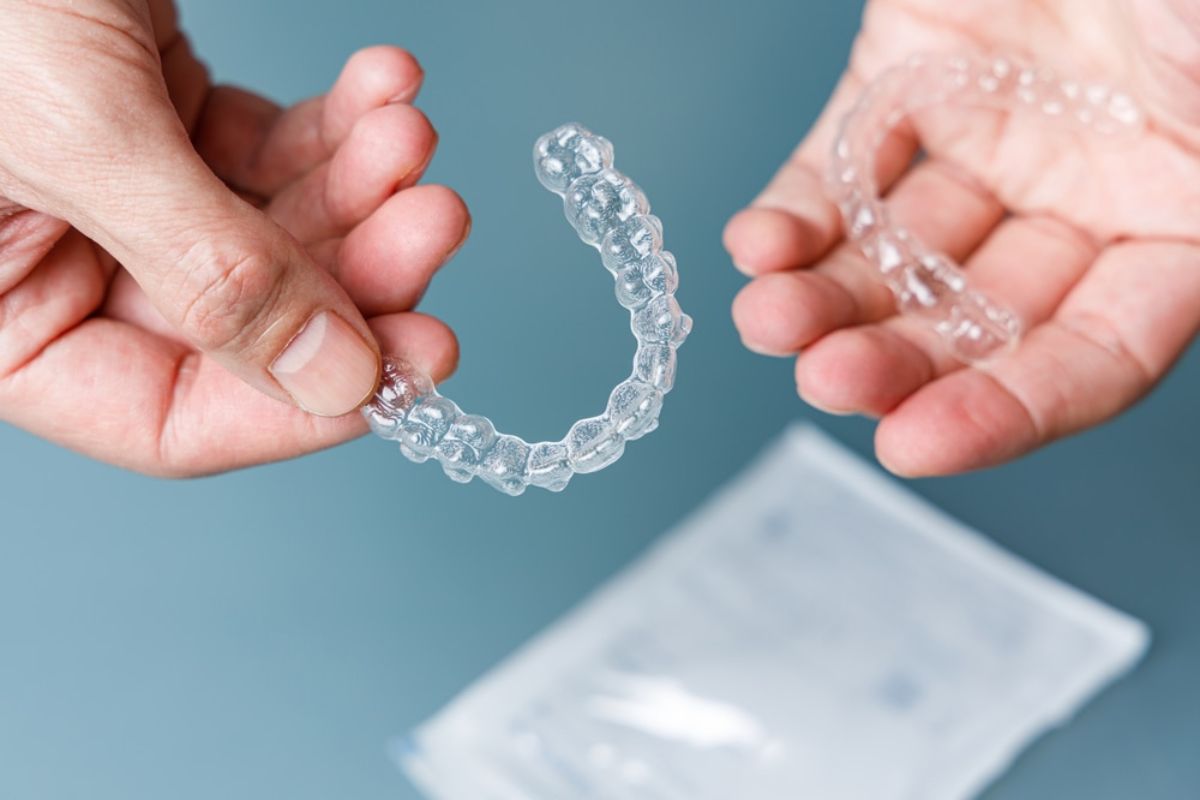
If you’ve been considering Invisalign in Austin, you might be wondering how it could impact your speech. Clear aligners are a fantastic alternative to traditional braces, offering a discreet and comfortable way to straighten your teeth. But just like any dental appliance, Invisalign may temporarily affect the way you talk.
Let’s dive into how Invisalign influences your speech and what you can do to adjust quickly.
Can Invisalign Really Affect Speech?
Yes, but only temporarily. When you first start wearing Invisalign, you may notice a slight lisp or difficulty pronouncing certain words. This happens because the aligners create a thin barrier between your tongue and the roof of your mouth. Since speech relies on tongue placement, even a small change can make a difference.
The good news? Most people adjust within a few days to a couple of weeks. Your tongue and mouth muscles adapt, and your speech returns to normal.
Common Speech Changes with Invisalign
While every person’s experience is different, here are a few common speech issues new Invisalign users may face:
1. Lisping or Slurring Words
A slight lisp is the most reported speech change. This happens because the tongue isn’t used to the extra layer over the teeth. Words containing “s” and “sh” sounds might feel a bit off at first.
2. Difficulty with Certain Sounds
Some people struggle with consonants like “t,” “d,” or “z.” These sounds require precise tongue placement, and the aligners may initially interfere.
3. Increased Saliva Production
Your body may mistake the aligners for food, causing an increase in saliva production. This can make talking feel a bit awkward at first, but it usually resolves within a few days.
How to Improve Your Speech with Invisalign
Adjusting to Invisalign is easier than you think! Here are some quick tips to help you speak clearly and confidently:
1. Practice Speaking Aloud
Reading out loud or having conversations with friends and family helps you adjust faster. The more you talk, the quicker your tongue learns to work around the aligners.
2. Focus on Pronunciation
If you struggle with certain words, practice them repeatedly. Try tongue twisters or reading something with lots of “s” sounds to train your tongue.
3. Give It Time
Your mouth needs time to adapt. Most speech issues fade within a week or two as your tongue and muscles get used to the aligners.
4. Keep Aligners In
It might be tempting to remove your aligners when speaking, but keeping them in will help your mouth adjust faster. Invisalign only works if you wear it for the recommended 20-22 hours per day.
5. Stay Hydrated
Drinking plenty of water helps control excess saliva and keeps your mouth comfortable while talking.
When to See a Dentist About Speech Issues
If your speech difficulties persist beyond a few weeks, it’s a good idea to consult a dentist in Austin. They can check if your aligners fit properly and offer additional tips for improving your speech. In rare cases, a slight adjustment to the aligners can make a big difference.
For reliable dental guidance, you can also check out the American Dental Association for professional insights.
Final Thoughts: Invisalign Won’t Hold You Back
While Invisalign may cause minor speech adjustments initially, these effects are short-lived. With a little patience and practice, you’ll be speaking clearly in no time. Plus, the benefits of having a straighter, healthier smile far outweigh the temporary speech hiccups.
If you’re ready to transform your smile with Invisalign in Austin, now’s the perfect time to take the next step! Feel free to contact us now!
Recent Post

Oct. 12, 2026
Small Cavities Caught Early Cost $200, Ignored They Cost $2000
Sep. 25, 2026
Why Does One Tooth Look Darker Than the Others?
Sep. 18, 2026
How Can Orthodontic Treatment Improve Crowding, Spacing, and Bite Problems Together?

Sep. 10, 2026
How Can I Protect a Broken or Damaged Tooth Until I Can Get Emergency Dental Care?
Sep. 02, 2026