
512.807.6938

The Relationship Between Oral Hygiene and Teeth Whitening
June 2, 2023
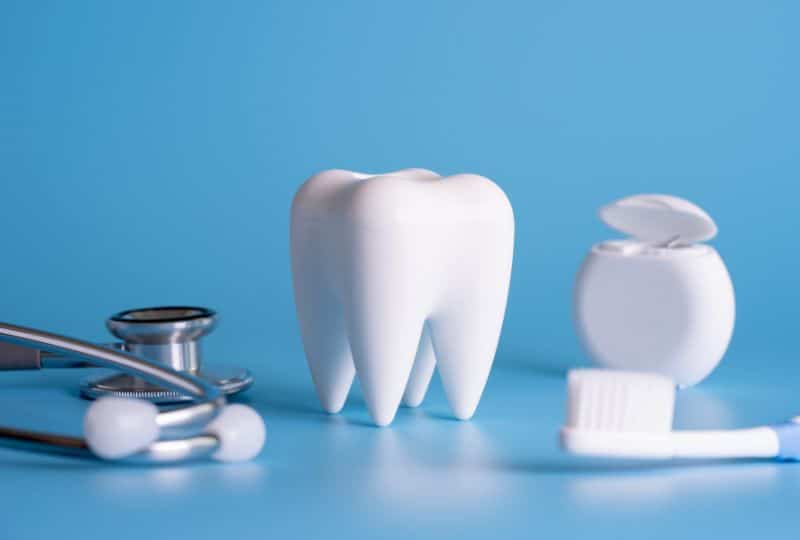
Are you someone who dreams of a dazzling and bright smile? Teeth whitening might be the solution for you! However, did you know that maintaining good oral hygiene is crucial to achieving long-lasting white teeth? That’s right – there is a direct relationship between oral hygiene and teeth whitening. In this article, we will discuss how these two are related, why it’s important to maintain good oral hygiene, tips for doing so, how often you should whiten your teeth, any risks associated with it and more. So sit back, relax and read on to uncover the secret behind having healthy pearly whites!
What is the relationship between oral hygiene and teeth whitening?
Oral hygiene and teeth whitening go hand in hand. Maintaining good oral hygiene is crucial for the success of teeth whitening procedures. When you neglect your oral health, it can affect your overall dental appearance, including the color of your teeth.
If you have poor oral hygiene habits such as not brushing or flossing regularly, then bacteria will accumulate on your teeth causing plaque buildup that may lead to tooth decay and gum disease. These conditions can eventually cause a yellowish-brown discoloration on the surface of your enamel which makes it difficult to achieve a bright smile even if you undergo several rounds of whitening treatments.
However, by practicing good oral care habits like brushing twice daily with fluoride toothpaste and flossing once per day; you can remove stains before they form into hardened tartar deposits that require professional cleaning at the dentist’s office. If you maintain healthy gums, white cleanings are more effective because there will be fewer obstacles blocking their way towards getting rid off stains caused by food consumption or other factors like smoking.
Regular visits to your dentist also play an essential role in maintaining good dental health while ensuring optimal results from any cosmetic dentistry procedure including teeth whitening sessions. A thorough examination by a qualified professional determines whether any underlying issues need addressing beforehand such as cavities or gum problems that could negatively impact the outcome of any whitening treatment performed later down-the-line.
Proper dental hygiene leads to better looking brighter smiles through optimized outcomes when undergoing cosmetic dentistry procedures like Teeth Whitening Sessions due largely because keeping up with preventative measures helps prevent future damage which means less time spent fixing past mistakes over time!
Why is it important to maintain good oral hygiene?
Maintaining good oral hygiene is crucial not only for keeping your teeth and gums healthy but also for achieving a brighter smile. Poor oral hygiene can lead to tooth decay, gum disease, bad breath, and other dental problems that can be painful and costly to treat.
Brushing twice a day with fluoride toothpaste, flossing daily, and visiting the dentist regularly are the key steps in maintaining good oral hygiene. These practices help remove plaque—a sticky film of bacteria that forms on teeth—which, if left untreated, can cause cavities and gum disease.
Good oral hygiene has benefits beyond just dental health. Studies have shown links between poor dental health and serious medical conditions like heart disease, diabetes, respiratory infections among others. This emphasizes the importance of regular brushing,flossing,cleaning your tongue ,avoidance of tobacco products as part of overall healthcare regimen from an early age.
In addition to preventing these serious health issues,it is important to maintain good oral hygiene habits because they contribute significantly towards improving one’s self-esteem . A bright white smile enhances confidence which translates itself into better social interactions.
Therefore it is essential to prioritize good oral care habits starting today!
What are some tips for maintaining good oral hygiene?
Maintaining good oral hygiene is crucial to ensuring a healthy and beautiful smile. Here are some tips that can help you maintain your teeth and gums in top condition:
1. Brush twice daily:
Make sure you brush your teeth at least twice a day with fluoride toothpaste to remove plaque, food particles, and bacteria from the surfaces of your teeth.
2. Floss regularly:
Flossing helps remove plaque and bacteria from between your teeth where brushing cannot reach.
3. Use mouthwash:
Mouthwash can freshen your breath, kill germs, and prevent gum disease.
4. Eat healthily:
A balanced diet rich in fruits, vegetables, whole grains, and lean proteins can supply the nutrients needed for healthy gums and teeth.
5. Visit the dentist regularly:
Regular dental check-ups are essential to maintain good oral hygiene as they allow early detection of any issues before they become more severe.
By following these simple tips,you will be able to keep your smile looking bright for years to come!
How often should you whiten your teeth?
Teeth whitening has become a popular cosmetic dental procedure. Everyone wants a bright, white smile, but how often should you whiten your teeth? The answer to this question depends on many factors such as the method of whitening and your oral hygiene habits.
If you opt for an in-office professional teeth whitening treatment, it is recommended that you limit the frequency to once or twice a year. This is because these treatments use high concentrations of bleaching agents that can be harmful if overused.
At-home teeth whitening kits can be used more frequently than in-office treatments since they contain lower concentrations of bleaching agents. However, it’s still important not to overdo it. It’s best to follow the instructions provided by the manufacturer and consult with your dentist before using any at-home kits.
It’s also essential to maintain good oral hygiene practices while pursuing teeth whitening procedures. Brushing and flossing regularly will help keep your teeth healthy and reduce staining from food and drink consumption.
There isn’t a one-size-fits-all answer when it comes to how often you should whiten your teeth. Consulting with your dentist is always recommended before beginning any tooth-whitening regimen so that they can evaluate both the current state of your oral health and recommend options tailored specifically for you!
Are there any risks associated with teeth whitening?
When it comes to teeth whitening, many people are concerned about the risks involved. While teeth whitening is generally considered safe, there are some potential risks that you should be aware of before undergoing the procedure.
One of the most common side effects of teeth whitening is tooth sensitivity. This occurs when the peroxide in the whitening solution penetrates through the enamel and into the dentin layer beneath. The dentin contains tiny nerve endings that can become irritated by the peroxide, causing temporary sensitivity or discomfort.
Another potential risk of teeth whitening is gum irritation or even damage. Whitening gels can sometimes leak out from trays or strips and come into contact with your gums, causing them to become red, swollen or painful. In rare cases, long-term use of certain types of whiteners may even cause damage to tooth enamel.
It’s important to note that these risks can often be minimized by following proper techniques and using high-quality products recommended by your dentist or dental professional. If you experience any discomfort or pain during a teeth-whitening treatment, stop immediately and consult your dentist for advice on how best to proceed.
Conclusion
The relationship between oral hygiene and teeth whitening is clear. Maintaining good oral hygiene is crucial for not only overall health but also for achieving and maintaining a brighter smile. By regularly brushing, flossing, using mouthwash, and visiting your dentist for check-ups and cleanings, you can prevent tooth decay and discoloration. While teeth whitening can provide temporary cosmetic benefits to enhance your smile’s appearance, it should never be used as a substitute for regular oral care practices. It’s important to consult with your dentist before trying any at-home or in-office whitening treatments to ensure they are safe and effective.
By taking care of your teeth through proper oral hygiene practices and professional dental care when necessary, you can enjoy a healthy white smile that lasts a lifetime!
Recent Post

Oct. 12, 2026
Small Cavities Caught Early Cost $200, Ignored They Cost $2000
Sep. 25, 2026
Why Does One Tooth Look Darker Than the Others?
Sep. 18, 2026
How Can Orthodontic Treatment Improve Crowding, Spacing, and Bite Problems Together?

Sep. 10, 2026
How Can I Protect a Broken or Damaged Tooth Until I Can Get Emergency Dental Care?
Sep. 02, 2026