512.807.6938

Can Acid Reflux Damage Your Teeth? Signs of Enamel Erosion to Watch For
November 12, 2026
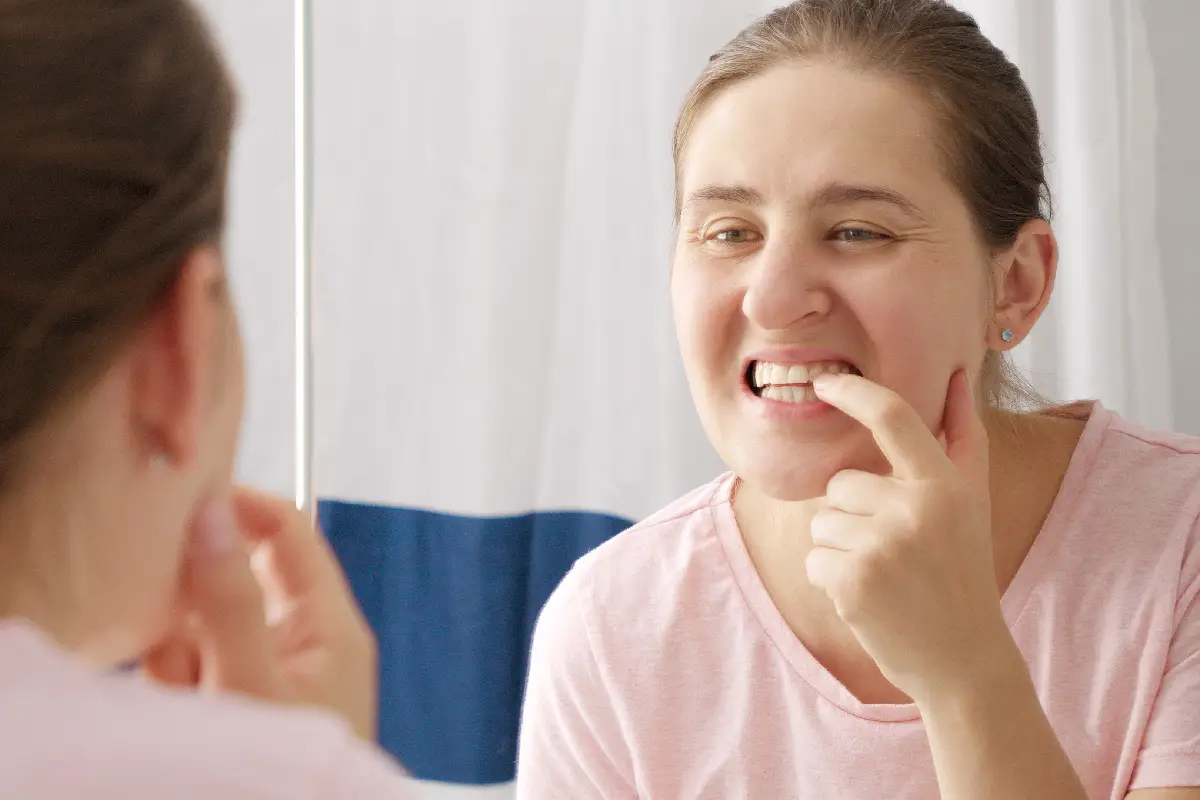
Yes. Acid reflux can damage your teeth over time, even if you do not experience heartburn every day. When stomach acid travels back up into the mouth, it can come into contact with tooth enamel, gradually weakening the surface. This process is called enamel erosion.
The tricky part is that the damage may develop before you notice obvious symptoms. You might first experience sensitivity, changes in tooth color, or rough edges. Knowing what to look for can help you protect your teeth before the erosion becomes more severe.
How Does Acid Reflux Wear Down Tooth Enamel?
Your teeth have a protective outer layer called enamel. Although it is the hardest substance in the human body, it cannot withstand repeated exposure to strong stomach acid indefinitely.
When reflux brings stomach acid into your mouth, the acid temporarily softens the enamel. Saliva normally helps neutralize acids and protect the teeth, but frequent reflux can expose them to more acid than saliva can manage.
The risk may be greater at night. Saliva production naturally decreases while you sleep, so acid that reaches your mouth may remain in contact with your teeth for longer.
This damage can happen even if you rarely notice a burning sensation in your chest or throat.
What Are the Signs of Enamel Erosion?
Acid related enamel damage does not always cause immediate pain. Some changes are subtle, especially during the early stages.
Look out for these signs:
- Increased tooth sensitivity: Cold water, hot coffee, or sweet foods may cause sudden discomfort.
- Yellowing teeth: As enamel becomes thinner, the naturally yellow dentin underneath may become more visible.
- Rounded or worn edges: The edges of front teeth may look smoother or slightly transparent.
- Small dents on chewing surfaces: Repeated acid exposure can create shallow depressions on the surfaces of molars.
- Changes around existing fillings: Fillings may appear raised as the surrounding tooth structure wears away.
These symptoms do not automatically mean acid reflux is responsible. Other conditions can cause similar changes, so a dental examination is important.
How Can You Protect Your Teeth if You Have Acid Reflux?
You may not be able to prevent every reflux episode, but a few practical habits can reduce the amount of acid that stays in contact with your teeth.
Rinse with water after reflux: Swish plain water around your mouth after an episode to help clear away residual acid.
Avoid brushing immediately: Acid can temporarily soften enamel. Rinse first and wait around 30 to 60 minutes before brushing to reduce the risk of brushing away softened tooth structure.
Use fluoride toothpaste: Brush twice daily with a fluoride toothpaste and a soft bristled toothbrush. Fluoride helps strengthen enamel and protect against decay.
Encourage saliva production: Drinking water throughout the day and chewing sugar free gum can help keep saliva flowing. Saliva helps neutralize acids naturally.
Be mindful of acidic foods and drinks: Citrus juices, soda, sports drinks, and sour candies can add to the acid exposure your teeth already experience. The article on how sports drinks affect teeth explains why frequent exposure to acidic beverages deserves attention.
Manage reflux with your physician: If symptoms happen regularly, discuss them with a healthcare provider. Avoiding large meals close to bedtime and following your prescribed reflux treatment plan may help reduce episodes.
How Can a Dentist Identify and Treat Acid Related Tooth Damage?
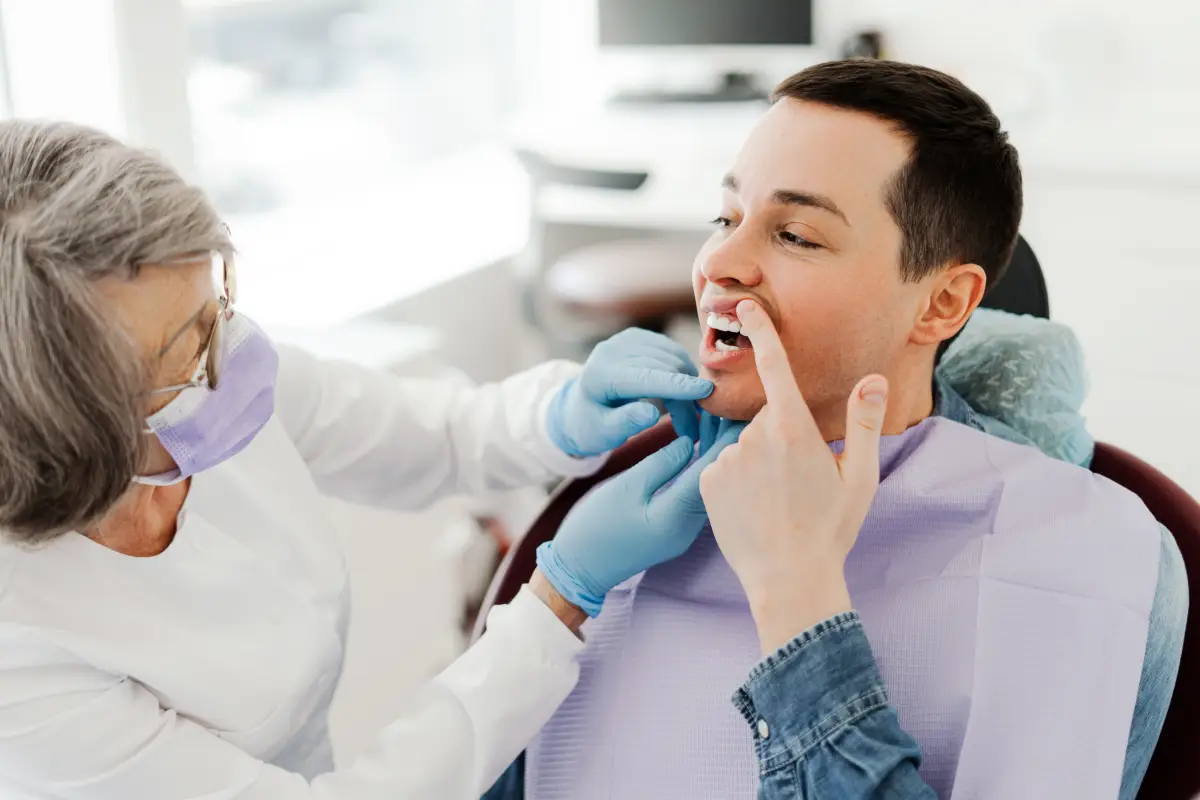
A dentist can look for patterns of enamel wear during an examination, including changes on the inner surfaces of teeth that may be difficult to notice at home.
The appropriate treatment depends on how much enamel has been lost. Early concerns may be managed with preventive measures, fluoride applications, and sensitivity treatments. More advanced damage may require dental bonding, fillings, or crowns to protect weakened areas and restore tooth structure.
Regular examinations also help identify other problems before they become more difficult to manage. During comprehensive dental services in Austin, a dental professional can check for signs of enamel wear, cavities, and other changes that may need attention.
An oral health specialist can also help you understand whether your symptoms may be connected to reflux or another dental concern.
Protect Your Smile Before Enamel Wear Progresses
Tooth erosion can develop gradually, making it easy to miss until sensitivity or visible changes appear. River Rock Dental provides preventive and restorative dental care at its three locations in Austin, TX. If you have frequent reflux or have noticed changes in your teeth, schedule an appointment to have your enamel evaluated and discuss ways to protect your smile.
Frequently Asked Questions
1. Can acid reflux damage teeth without causing heartburn?
Yes. Some people experience reflux without noticeable heartburn. Stomach acid can still reach the mouth and contribute to enamel erosion.
2. Can damaged tooth enamel grow back?
No. Lost enamel does not naturally grow back. Fluoride and preventive care can help strengthen remaining enamel, while restorative treatments can protect areas that have already experienced significant damage.
3. Is tooth sensitivity always a sign of acid reflux?
No. Tooth decay, gum recession, cracked teeth, and worn fillings can also cause sensitivity. A dental examination can help identify the actual cause.
4. Should I brush my teeth after an acid reflux episode?
Rinse your mouth with plain water first. Avoid brushing immediately because acid can temporarily soften enamel. Waiting around 30 to 60 minutes before brushing is a commonly recommended precaution.
Recent Post
Nov. 12, 2026
Can Acid Reflux Damage Your Teeth? Signs of Enamel Erosion to Watch For
Nov. 10, 2026
Silent Gum Disease: Stop It Before Treatment Gets Expensive
Nov. 06, 2026
Why Your Teeth Feel Sensitive During Cleanings and How We Stop It
Nov. 04, 2026
Why Do My Gums Look Like They Are Pulling Away From My Teeth?

Oct. 12, 2026