
512.807.6938

How to Prevent Child Tooth Decay: A Guide to Kid-Friendly Dentistry
August 3, 2018
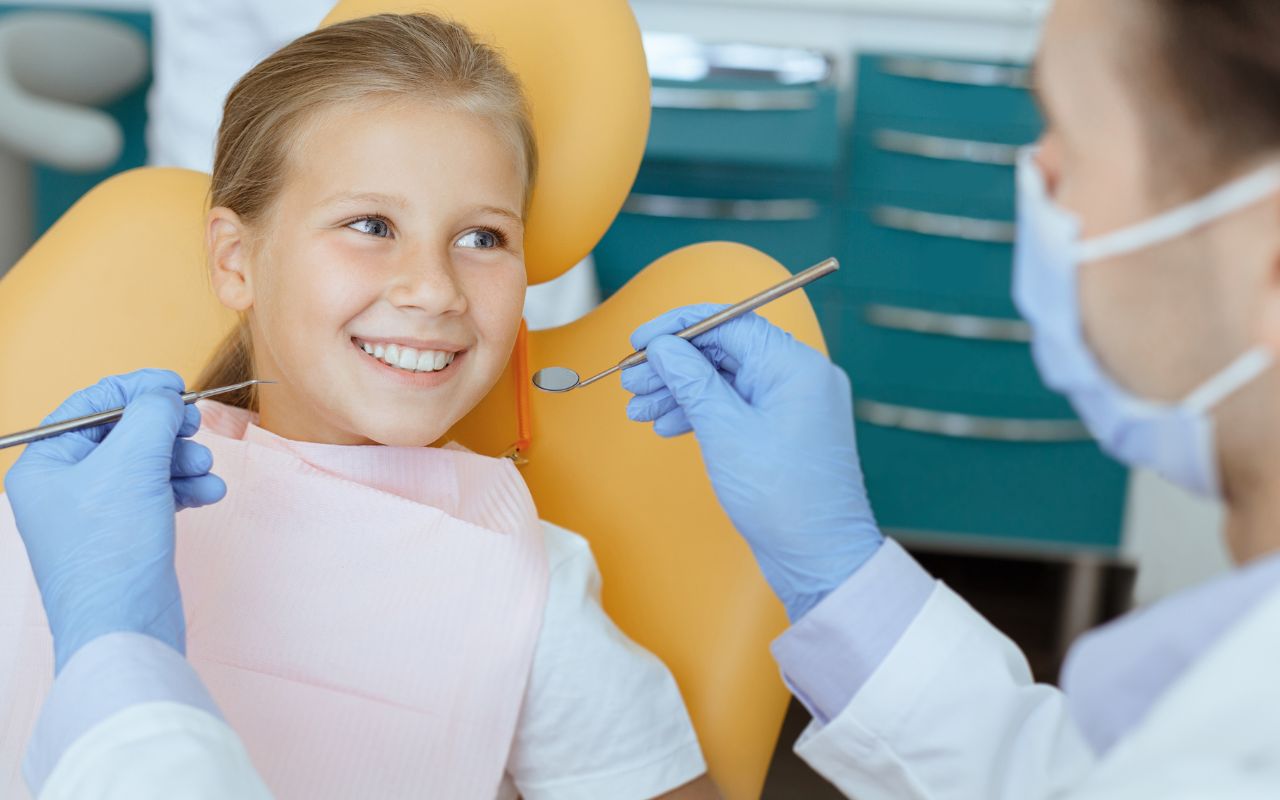
Tooth decay is one of the most common dental problems children face, but the good news is that it’s almost always preventable. As a parent, you play a key role in teaching your child healthy habits that will protect their smile for years to come. With the right guidance, prevention doesn’t have to feel overwhelming—it can be part of a positive, kid-friendly dentistry approach that makes dental care simple and stress-free.
Why Children Are at Higher Risk for Tooth Decay
Children’s teeth are more vulnerable to cavities because their enamel is thinner than that of adults. Combine that with frequent snacking, sugary drinks, and sometimes inconsistent brushing, and the risk of decay rises quickly. Understanding these risks is the first step in preventing problems and setting your child up for lifelong oral health.
Practical Tips for Preventing Tooth Decay
1. Establish a Brushing and Flossing Routine
- Help your child brush twice a day with a fluoride toothpaste.
- Use age-appropriate toothbrushes that make brushing more fun and engaging.
- Introduce flossing as soon as two teeth touch to prevent cavities between teeth.
2. Encourage a Tooth-Friendly Diet
- Limit sugary snacks and beverages like soda or juice.
- Offer water and milk as healthier alternatives.
- Choose crunchy fruits and vegetables (apples, carrots, celery) that naturally help clean teeth.
3. Regular Dental Checkups
Routine visits to a family dentist are essential. A dentist who specializes in kid-friendly dentistry knows how to create a welcoming environment for children while monitoring their growth and catching small issues before they turn into bigger problems.
4. Protect Teeth with Sealants and Fluoride
Dental sealants and fluoride treatments are simple, effective, and completely safe for children. They provide extra protection against cavities, especially on the back molars where decay is most likely to occur.
5. Teach Healthy Habits Early
The earlier children learn good oral hygiene, the easier it is for them to carry those habits into adulthood. Positive reinforcement—like using reward charts or letting kids choose their toothbrush—can make oral care more exciting.
The Role of Kid-Friendly Dentistry
Kid-friendly dentistry isn’t just about fixing cavities—it’s about creating a supportive, comfortable environment where children feel at ease. From gentle communication to child-centered dental technology, this approach helps kids see dental care as something positive, not scary. Parents can feel confident knowing their child is receiving care that focuses on prevention, education, and long-term wellness.
Conclusion
Preventing tooth decay in children is a team effort between parents, kids, and dental professionals. By encouraging healthy daily habits, scheduling regular dental visits, and taking advantage of preventive treatments like sealants and fluoride, you can keep your child’s smile healthy and bright. With the guidance of kid-friendly dentistry, dental care becomes a positive experience—building confidence in your child and protecting their oral health for years to come.
Recent Post

Oct. 12, 2026
Small Cavities Caught Early Cost $200, Ignored They Cost $2000
Sep. 25, 2026
Why Does One Tooth Look Darker Than the Others?
Sep. 18, 2026
How Can Orthodontic Treatment Improve Crowding, Spacing, and Bite Problems Together?

Sep. 10, 2026
How Can I Protect a Broken or Damaged Tooth Until I Can Get Emergency Dental Care?
Sep. 02, 2026