
512.807.6938

When Should Back Molars Be Removed? Signs Austin Parents Shouldn’t Ignore
March 23, 2026
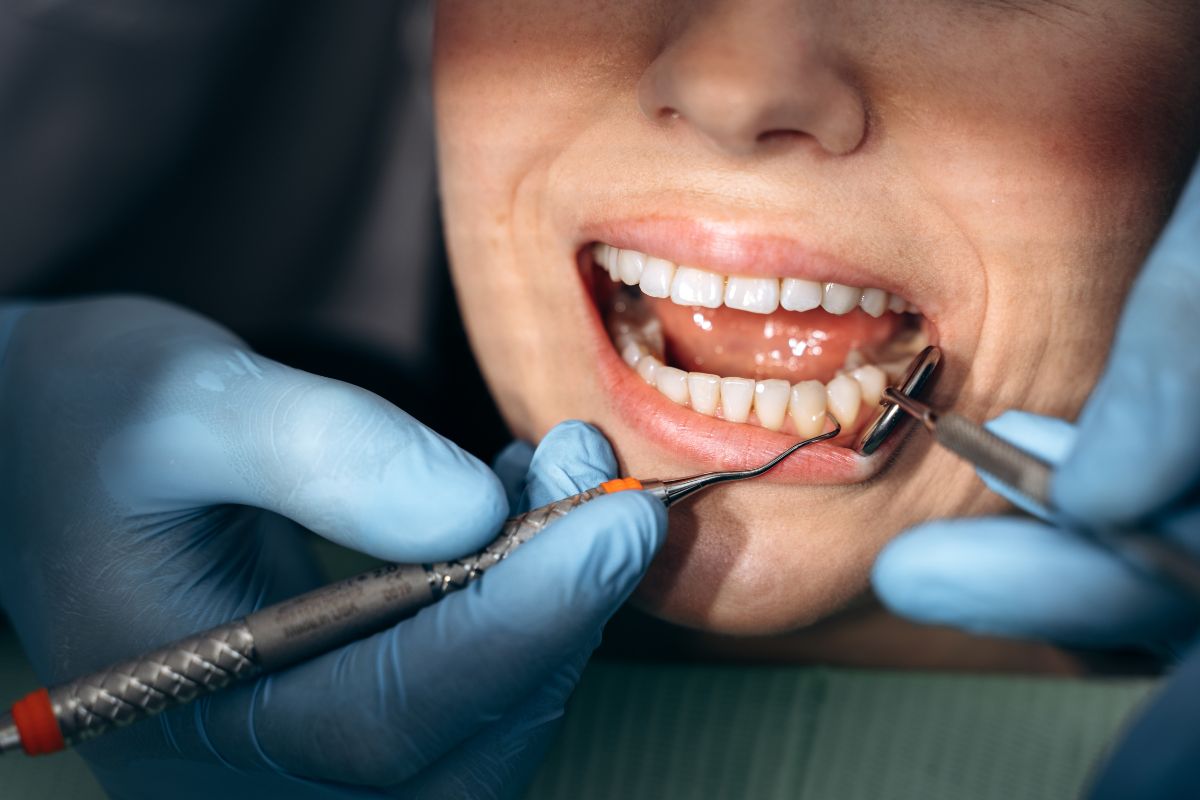
A sudden toothache during a weekend outing, or swelling that makes it hard to chew your favorite tacos, or your child complaining about pain in the back of the mouth before school.
These moments are easy to ignore at first, especially when life in a busy city keeps moving fast. But issues with back molars, especially wisdom teeth, rarely resolve on their own.
Many families wait until the pain becomes severe before taking action. By then, the situation may already be more complicated than it needs to be. Knowing the early signs can help you act sooner and avoid unnecessary discomfort.
At River Rock Dental, Dr. Dam Hee Jang works closely with families across Austin to identify when intervention is needed and when it’s safe to wait. If you’ve been noticing changes, this guide will help you understand what to watch for and when it may be time to move forward.
Why Back Molars Often Become a Problem
Back molars, including wisdom teeth, are the last to develop. Because of their position, they often lack enough room to grow properly. This can lead to:
- Partial eruption, where the tooth is stuck under the gums
- Crowding that affects nearby teeth
- Difficulty cleaning, increasing the risk of decay
- Pressure on the jaw and surrounding structures
In a city like Austin, where families are always on the go, whether it’s a walk around Lady Bird Lake or a visit to Zilker Park, oral discomfort can quickly disrupt daily routines. That’s why recognizing the early warning signs matters.
Common Signs You Should Not Ignore
- Persistent Pain at the Back of the Mouth
Ongoing discomfort is one of the earliest signs. It may start as mild irritation but can become sharp or throbbing over time.
- Swollen or Tender Gums
If the gums around the molar look red, puffy, or feel sore, it may indicate infection or inflammation.
- Jaw Stiffness or Difficulty Opening the Mouth
Pressure from impacted teeth can affect how your jaw moves, making it uncomfortable to eat or speak.
- Bad Taste or Persistent Bad Breath
Trapped food and bacteria around partially erupted teeth can lead to unpleasant taste and odor.
- Headaches or Ear Pain
Pain from back molars can radiate, causing discomfort in nearby areas like the head or ears.
- Shifting Teeth or Crowding
As wisdom teeth push through, they can affect alignment, especially if space is limited.
If you notice any of these, it may be time to consider wisdom teeth extraction at an Austin dental office before the issue worsens.
When Waiting Is Not the Right Choice
Some parents assume that if the pain comes and goes, it’s safe to delay treatment. However, certain conditions require prompt attention:
- Repeated infections around the same area
- Damage to nearby teeth
- Cysts form around impacted teeth
- Severe crowding affects alignment
Delaying care in these situations can lead to more complex procedures later. Early evaluation helps determine whether monitoring or removal is the best option.
How Age and Growth Affect the Decision
For teens and young adults, timing plays a key role. Teeth are still developing, and roots may not be fully formed. This often makes removal more straightforward.
For adults, the situation can be different. The roots are fully developed, and the bone is denser. That doesn’t mean removal isn’t possible; it just requires careful planning.
Families across neighborhoods like Mueller and Southpark Meadows often bring their children in during their late teens for evaluation. This allows the dental team to monitor growth and decide the right time for action.
What Happens During a Comprehensive Oral Evaluation
When you visit the dentist for concerns about your back molars, the process usually includes:
- A detailed exam of the teeth and gums
- Imaging to assess positioning and development
- Discussion of symptoms and medical history
- A clear recommendation based on findings
This step is important because not every case requires immediate removal. Some teeth can be monitored safely with regular checkups.
How Tooth Removal Helps Prevent Bigger Issues Later
Choosing timely back molar removal can help prevent:
- Spread of infection to surrounding areas
- Damage to adjacent teeth
- Long-term alignment issues
- Chronic pain and swelling
It also makes daily hygiene easier. When back molars are difficult to reach, even consistent brushing may not be enough.
Recovery and What Patients Can Expect
One of the most common concerns parents have is recovery. Most people recover smoothly with proper care.
Typical Recovery Includes:
- Mild swelling for a few days
- Temporary dietary adjustments
- Simple at-home care instructions
Most patients return to normal routines within a short period. Planning the procedure during school breaks or lighter work weeks can make the process easier.
Link Between Local Lifestyle and Oral Health
Living in Austin means enjoying a vibrant food culture, from food trucks to barbecue spots. But frequent snacking and sugary drinks can increase the risk of decay around hard-to-reach molars.
Whether you’re spending weekends at Barton Creek Greenbelt or grabbing quick bites, maintaining your oral health requires consistent care and timely attention to warning signs.
Ignoring discomfort may seem convenient in the moment, but it often leads to interruptions later when treatment becomes unavoidable.
When to Talk to Your Dentist
You don’t need to wait for severe pain to seek advice. If something feels off, it’s worth getting it checked early.
Look out for:
- Repeated discomfort in the same area
- Difficulty chewing on one side
- Visible swelling or redness
- Changes in bite or alignment
These subtle signs often appear before major problems develop.
Are You Ready to Take Action?
Back molar issues rarely fix themselves. What starts as mild discomfort can turn into something that affects daily life, from eating to speaking comfortably. Acting early helps you avoid unnecessary complications and keeps your routine on track.
At River Rock Dental, families can visit any of the Austin locations- Mueller, Southpark Meadows, or Stassney for guidance and care. If you’ve been noticing signs that don’t feel right, now is the time to take the next step. Schedule a visit and find out if wisdom teeth removal in Austin is the right move.
FAQs
How do I know if my wisdom teeth need to be removed?
Common signs include pain, swelling, infection, or crowding. A proper exam and imaging help confirm whether removal is necessary.
Is wisdom teeth removal always required?
No, not everyone needs removal. Some teeth grow normally and can be maintained with proper care and monitoring.
At what age should wisdom teeth be checked?
The late teens to early twenties are a common time for evaluation, as teeth are still developing and easier to assess.
How long does recovery usually take?
Most people recover within a few days to a week, depending on the complexity of the procedure and aftercare.
Can I delay removal if the pain goes away?
Temporary relief does not mean the problem is resolved. It’s important to have it evaluated to avoid future complications.
What happens if impacted teeth are left untreated?
They can lead to infection, damage to nearby teeth, and cause long-term oral health issues.
Is the procedure uncomfortable?
The procedure is managed with appropriate care to keep patients comfortable, and post-procedure discomfort is usually manageable with simple measures.
Recent Post

Oct. 12, 2026
Small Cavities Caught Early Cost $200, Ignored They Cost $2000
Sep. 25, 2026
Why Does One Tooth Look Darker Than the Others?
Sep. 18, 2026
How Can Orthodontic Treatment Improve Crowding, Spacing, and Bite Problems Together?

Sep. 10, 2026
How Can I Protect a Broken or Damaged Tooth Until I Can Get Emergency Dental Care?
Sep. 02, 2026