
512.807.6938

Cold Sore Solutions That Truly Help
November 10, 2017
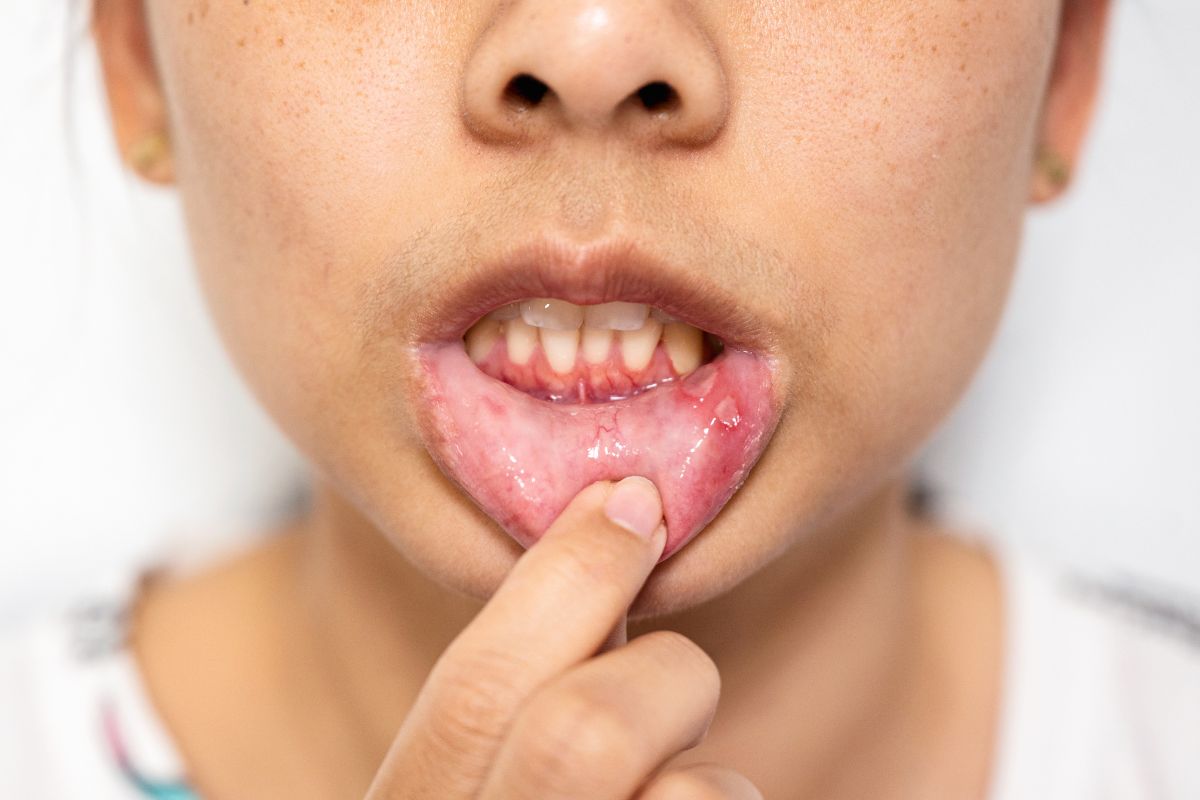
Whether you call them cold sores or fever blisters, if you’re part of the 40% of Americans who deal with them regularly, you already know how frustrating and uncomfortable they can be.
You’ve probably heard about dozens of remedies—from over-the-counter products to home treatments passed down for generations.
But what actually works?
The truth is, when it comes to cold sores, the focus is on management: preventing outbreaks, treating symptoms, and stopping the virus from spreading.
Cold Sore Prevention
The old saying, “an ounce of prevention is worth a pound of cure,” couldn’t be truer with cold sores. Understanding what triggers them is the first step.
The two biggest culprits?
- A weakened immune system
- Sudden or extreme changes in weather
Protecting Against Weather: Always carry a lip balm with SPF to shield your lips from harsh sunlight, wind, or cold.
Supporting Your Immune System: Make rest a priority, manage daily stress, and fuel your body with healthy foods.
When it comes to diet, here are some helpful guidelines:
- Eat More Raw, Alkaline Foods: Fresh fruits and vegetables are packed with nutrients that support overall health.
- Load Up on Cruciferous Vegetables: Broccoli, cabbage, kale, and Brussels sprouts have been linked to reducing the frequency of outbreaks.
- Limit Arginine-Rich Foods: Cold sores thrive on the amino acid arginine. Try reducing foods like nuts, chocolate, oats, and certain protein shakes to avoid flare-ups.
By eating well, sleeping enough, and reducing stress, you may be able to cut back on several outbreaks each year.
Cold Sore Treatments & Home Remedies
Prevention is your best defense, but if a cold sore does appear, there are a few ways to minimize discomfort and speed up healing.
- Apply Ice: At the very first sign of tingling, press an ice cube wrapped in a thin towel to the spot. Doing this twice in a row can reduce swelling and pain.
- Dry First, Then Moisturize: Cold sores thrive in warm, moist environments. Let the sore dry out first. Once it’s less painful, apply lip balm or cream to keep the skin from cracking and to aid healing.
How to Stop Cold Sore Transmission
Cold sores are contagious, so preventing their spread is crucial.
- Don’t share utensils, drinks, towels, or toothbrushes.
- Avoid touching the sore, and never touch your eyes or genitals after contact with your lips.
- Skip kissing and intimate activities until the sore is completely healed.
- Wash your hands frequently—especially during an outbreak.
Healing can take several weeks, but avoiding contact helps protect others and prevents the virus from spreading further.
Final Thoughts
Cold sores may be common—affecting about 90% of people at least once in their life—but they don’t have to control you. By knowing your triggers, practicing good prevention, and managing symptoms properly, you can reduce outbreaks and heal more comfortably.
If you’d like professional advice on oral health and cold sore management, give our dentist a call today to schedule an appointment.
Recent Post

Oct. 12, 2026
Small Cavities Caught Early Cost $200, Ignored They Cost $2000
Sep. 25, 2026
Why Does One Tooth Look Darker Than the Others?
Sep. 18, 2026
How Can Orthodontic Treatment Improve Crowding, Spacing, and Bite Problems Together?

Sep. 10, 2026
How Can I Protect a Broken or Damaged Tooth Until I Can Get Emergency Dental Care?
Sep. 02, 2026