
512.807.6938

How Smoking And Diabetes Affect Dental Implant Success Rates In Austin
May 15, 2026
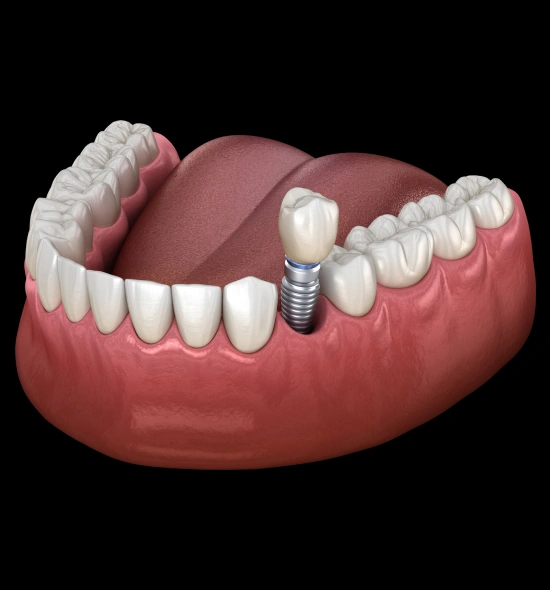
Smoking and diabetes can significantly affect how the body heals after dental implant surgery. Both conditions may interfere with circulation, increase inflammation, slow bone integration, and raise the risk of implant complications over time. For many patients, the biggest concern is not the surgery itself, but whether the implant will remain stable years after placement. The challenge is that implant failure often develops gradually. Early warning signs may appear subtle while damage continues beneath the surface. Understanding how smoking and diabetes influence implant healing helps patients recognize potential risks before they affect long-term results.
Why Do Some Dental Implants Heal Perfectly While Others Struggle?
A replacement tooth relies on healthy bone and strong gum tissue. After surgery, the jawbone must fuse naturally with the implant surface. This process determines whether the restoration will remain secure for decades.
Smoking and elevated blood sugar interfere with this healing stage in different ways. Tobacco reduces oxygen circulation inside the gums. Limited oxygen slows the body’s natural repair process. Harmful chemicals also increase inflammation around the surgical site.
Blood sugar problems create another obstacle. When glucose levels stay high, the immune system struggles to control bacteria effectively. This can allow infections to develop around the implant before patients notice symptoms.
Many adults assume modern dentistry can overcome any health issue. However, even advanced technology depends on a healthy tissue response.
Could Smoking Be Weakening Your Jawbone Without You Knowing?
Many smokers believe brushing regularly offsets tobacco-related damage. Unfortunately, smoking affects areas that toothbrushes cannot reach.
Nicotine narrows blood vessels throughout the mouth. Reduced circulation limits nutrients reaching the gums and bone tissue. This creates slower healing after implant surgery.
Smoking may also contribute to:
• Increased plaque buildup
• Delayed clot formation after surgery
• Higher risk of gum recession
• Greater bone deterioration around implants
Patients in Austin often spend long hours outdoors during warmer seasons. Combined with smoking, the region’s dry climate can increase mouth dryness and irritation. Less saliva means bacteria remain active longer inside the mouth.
Research continues to show that smokers experience higher rates of implant complications than nonsmokers. Heavy tobacco use especially increases the chance of implant loosening over time.
An experienced implant dentist in Austin may recommend reducing or stopping tobacco use before treatment begins. Even temporary smoking cessation during healing can significantly improve tissue recovery.
How Does Diabetes Affect The Success Of Tooth Replacement Surgery?
Blood sugar control plays a larger role in oral health than many patients realize. When glucose remains elevated, the body enters a constant inflammatory state. This weakens the healing capacity throughout the gums and jawbone.
Diabetes-related complications may include:
• Slower healing after oral surgery
• Increased infection risk
• Reduced bone integration
• Persistent gum inflammation
The challenge becomes more serious when diabetes remains undiagnosed or poorly managed. Some patients seek treatment for gum discomfort without realizing that a blood sugar imbalance is contributing to the problem.
Austin residents often enjoy active lifestyles throughout the year because of the sunny climate. However, heat-induced dehydration can make blood sugar regulation more difficult for some individuals. Dry mouth also becomes more common, creating an environment where bacteria thrive.
Proper medical management before implant surgery improves healing outcomes considerably. Patients with stable glucose levels often achieve successful long-term results comparable to non-diabetic individuals.
Is Smoking And Diabetes Even More Dangerous Together?
Yes. Combining tobacco use with uncontrolled diabetes creates a much higher risk for implant complications.
Smoking already reduces oxygen flow. Diabetes already weakens the immune response. Together, they create conditions where bacteria spread more aggressively while healing slows dramatically.
This combination may increase the likelihood of:
• Bone loss around implants
• Implant mobility
• Chronic gum infection
• Delayed tissue closure
• Implant failure years later
Many dental practices now perform detailed health evaluations before beginning treatment. Identifying risk factors early allows providers to create safer treatment plans.
Patients often feel discouraged after learning these risks. However, complications are not inevitable. Careful planning and lifestyle adjustments can greatly improve outcomes.
What Warning Signs Should Patients Never Ignore After Implant Surgery?
Some discomfort is expected after implant surgery. However, certain symptoms may signal a developing complication that requires professional attention.
Persistent Swelling After the First Week
Mild swelling is common during the first few days. Swelling that continues beyond a week or suddenly worsens may indicate infection or delayed healing around the implant site.
Bleeding That Continues Unexpectedly
Light bleeding immediately after surgery is normal. Ongoing bleeding or bleeding that restarts days later should not be ignored, especially if it occurs without irritation or brushing.
Pain Increasing Instead Of Improving
Most post-surgical discomfort gradually improves each day. Pain that becomes sharper, more intense, or spreads into the jaw or surrounding teeth may suggest inflammation or implant complications.
Bad Taste Near The Implant Area
A persistent bad taste or an unusual odor near the surgical site can indicate bacterial buildup or infection. This symptom often appears before visible swelling becomes severe.
Loose Feeling Around The Restoration
An implant should feel stable during healing. Any movement, shifting sensation, or looseness around the implant crown or surrounding area requires prompt evaluation to prevent further damage.
Regular follow-up visits remain essential during healing. Professional monitoring allows concerns to be identified early before they affect the implant or the surrounding bone.
Many Austin families prioritize preventive healthcare because outdoor activities remain popular year-round. Oral health deserves the same proactive attention. Early intervention often helps protect long-term implant stability.
Can Patients Still Qualify For Dental Implants If They Smoke Or Have Diabetes?
Yes, many patients who smoke or have diabetes can still qualify for dental implants. However, these conditions require closer evaluation and careful treatment planning. Smoking reduces blood flow and slows healing, which increases the risk of implant failure and infection. Diabetes, especially when poorly controlled, can also affect healing and bone integration around the implant.
Patients with well-controlled diabetes often achieve implant success rates similar to non-diabetic patients when they maintain stable blood sugar levels and follow post-operative instructions carefully. Smokers may also have successful outcomes, particularly when smoking is reduced or stopped during healing. Dentists typically monitor these patients more closely to protect long-term implant stability and reduce complications during recovery.
Why Does Preventive Care Matter For Your Implants To Last?
Many patients assume dental implants become permanent once surgery is complete. In reality, long-term success depends heavily on preventive care after placement. Daily brushing, flossing, professional cleanings, hydration, reduced tobacco exposure, and healthy blood sugar management all help protect the implant and surrounding bone during healing and beyond.
The healing phase often determines how stable the implant remains years later. Without proper maintenance, bacteria and inflammation can gradually weaken the supporting tissue around the implant. This becomes even more important in dry climates like Austin, where reduced moisture may affect saliva flow and oral tissue health. Since saliva naturally helps control bacteria, staying hydrated can play an important role in maintaining healthier gums around dental implants.
Looking for long-term implant care you can trust?
Choosing the right provider can make a meaningful difference in your treatment experience and long-term results. At River Rock Dental, we focus on personalized implant planning designed around your overall health, lifestyle, and future oral wellness goals.
We understand that smoking history, diabetes concerns, and healing challenges require thoughtful attention instead of rushed treatment decisions. Our team works closely with patients to create realistic plans that support stronger outcomes and greater confidence.
Whether you recently lost a tooth or want answers about your candidacy for treatment, we are here to help. If you are searching for an implant dentist in Austin, TX, we invite you to visit our dental office in Austin and experience compassionate care designed around your needs.
Frequently Asked Questions (FAQs)
How long should someone stop smoking before getting a dental implant?
Many specialists recommend stopping tobacco use at least one to two weeks before surgery. Continuing to avoid smoking during healing improves blood circulation and lowers complication risks. Longer smoke-free periods often support better long-term implant stability.
Could uncontrolled blood sugar cause implant failure years later?
Yes. Poor blood sugar control may continue to damage gum tissue and bone even after healing has ended. Chronic inflammation can slowly weaken the support around the implant. Regular dental visits and glucose control help reduce this risk.
Does age affect the success of dental implants?
Age alone usually does not prevent successful treatment. Overall health, bone quality, and gum condition matter more than the number of birthdays a patient has celebrated. Many older adults maintain stable implants for decades with proper care.
Are dental implants safer than removable dentures for people with diabetes?
For many patients, implant-supported teeth provide stronger chewing ability and better jawbone preservation. However, treatment planning must prioritize blood sugar control and healing ability. Every patient should receive a personalized evaluation before making a decision.
What foods should patients avoid after implant surgery?
Crunchy, sticky, spicy, and extremely hot foods should be limited during early healing. Soft foods help reduce pressure near the surgical area. Many patients enjoy smoothies, yogurt, eggs, and soups during the initial recovery phase.
Can vaping affect implant healing the same way smoking does?
Yes. Many vaping products contain nicotine, which can reduce blood flow and delay tissue repair. Some flavored vape liquids may also irritate oral tissues and increase inflammation during healing.
Recent Post

Oct. 12, 2026
Small Cavities Caught Early Cost $200, Ignored They Cost $2000
Sep. 25, 2026
Why Does One Tooth Look Darker Than the Others?
Sep. 18, 2026
How Can Orthodontic Treatment Improve Crowding, Spacing, and Bite Problems Together?

Sep. 10, 2026
How Can I Protect a Broken or Damaged Tooth Until I Can Get Emergency Dental Care?
Sep. 02, 2026