
512.807.6938

Why Oral Care Often Slips During Busy Days: A Guide for Austin Residents
May 7, 2026
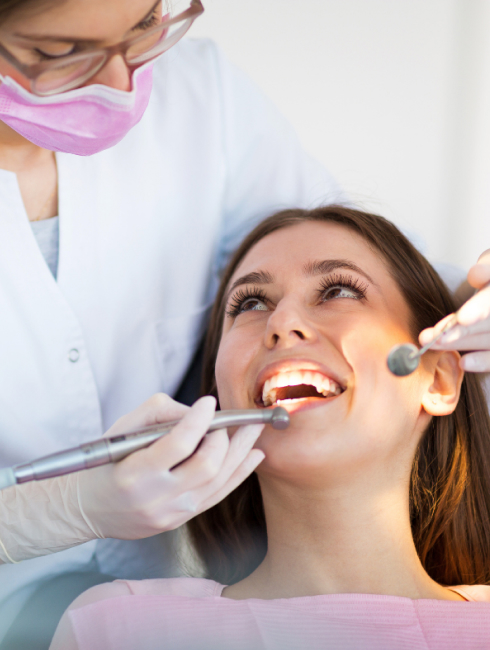
Most people don’t mean to overlook their oral care. However, sometimes life just gets busy. Morning commutes, long workdays, late-night snacks, outdoor adventures, and busy schedules can gradually shift our daily habits. Suddenly, simple routines like brushing are rushed, flossing is skipped, and water consumption decreases during hectic afternoons. Even sweet drinks and quick bites might replace nutritious meals without us realizing it.
On weekends around Lady Bird Lake and South Congress, many choose quick convenience foods that stay on teeth for hours. Over time, these habits affect enamel, gum health, and even tooth stability. Many people only notice the damage once sensitivity or pain starts interfering with daily life. The CDC reports that nearly half of adults aged 30 and older show signs of gum disease. Poor daily routines remain one of the biggest contributing factors. At River Rock Dental Austin, helps patients recognize how everyday routines influence long-term oral health. Dentists in Austin often see lifestyle-related dental problems develop quietly over time, especially in busy urban environments.
Why Fast-Paced Living Slowly Changes Oral Care Habits?
There are many ways your busy lifestyle affects your overall oral health. Here they are:
Skipped Morning Routines Add Up
Busy mornings create rushed decisions. Many people shorten brushing time while preparing for work or school. Others skip flossing completely because they feel late already. That may not seem serious for one day. However, repeated plaque buildup slowly irritates the gums and weakens the enamel’s protective barrier. Coffee drinks also contribute to the problem. Many people sip sweetened beverages for hours during workdays. Acid exposure lasts much longer than expected.
Stress Often Leads to Unhealthy Dental Habits
Stress affects oral health more than many people realize. Clenching and grinding commonly increase during demanding schedules. Jaw pressure wears down enamel and strains surrounding tissues. Some people wake up with headaches or facial soreness without realizing the connection. Stress also encourages habits like:
- Frequent snacking between meals
- Late-night eating
- Dry mouth from dehydration
- Increased sugary drink intake
- Neglecting nighttime brushing
Sleep Patterns Affect Gum Health
Poor sleep influences inflammation throughout the body. Gum tissues respond similarly. Irregular sleep routines may weaken the immune response and slow healing inside the mouth. After major events like Austin City Limits or long evenings downtown, late-night meals and skipped brushing routines often become common patterns. Those occasional habits gradually turn into repeated behavior for many adults.
What Oral Health Problems Commonly Develop From Busy Routines?
Many dental issues often worsen due to a fast-paced lifestyle. These are the oral problems you might develop during that lifestyle:
Cavities Often Start Quietly
Many cavities start quietly without causing pain. Featuring sugary treats, acidic drinks, and plaque that gradually weakens enamel, these issues can develop unnoticed. When bacteria reach deeper into the tooth, discomfort may become more noticeable, and treatment can be more complex. Also, those who snack often during the day may experience repeated acid attacks on their teeth, leaving little time for recovery between them.
Gum Irritation Can Progress Faster Than Expected
Red or swollen gums usually signal inflammation. Bleeding while brushing should never feel normal. Without regular cleaning habits, bacteria gather below the gumline. Infection may eventually damage the supporting bone structures around teeth. The American Dental Association emphasizes daily plaque removal as one of the most important preventive steps for gum health.
Tooth Damage Becomes More Common
Chewing ice, grinding teeth, or biting hard foods during stressful days increases fracture risks. Small cracks sometimes go unnoticed initially. Over time, these weak areas expand and may eventually require removal when the structure cannot be preserved. That is one reason many oral care providers encourage earlier evaluations instead of waiting for severe pain.
Could Your Daily Routine Be Leading Toward Tooth Removal?
The answer is yes. Your daily habits can lead to your tooth extraction:
Delayed Care Often Creates Bigger Problems
People frequently postpone dental visits because life feels too busy. Minor sensitivity gets ignored. Small chips seem manageable. Gum tenderness feels temporary. Unfortunately, untreated problems usually continue to progress beneath the surface. By the time swelling or sharp pain develops, infection may already involve the nerve or surrounding tissues.
Diet Patterns Also Affect Long-Term Tooth Stability
Frequent sports drinks, sweet coffee beverages, and processed snacks creates an acidic environment inside the mouth. Food truck gatherings near Zilker Park often include sticky barbecue sauces, sweet drinks and late-evening meals that stay on teeth longer than people expect. Without proper cleaning afterward, bacteria feed continuously on leftover sugars. Over time, weakened enamel increases the risk of severe decay.
Some Warning Signs Should Never Be Ignored
A developing dental problem often creates early symptoms first. Paying attention may help prevent worsening damage. Signs that require professional attention:
- Persistent tooth pain
- Swollen gums near one tooth
- Sensitivity to pressure
- Cracked or loose teeth
- Pain while chewing
- Repeated bad taste near the gums
- Facial swelling
This is where many patients’ emergency tooth extraction near me searches often begin after discomfort becomes difficult to manage.
What Helps Protect Oral Health During a Busy Lifestyle?
There is still a way to maintain your oral health even after leading a fast-paced lifestyle. You need to maintain your dental health and incorporate some habits into your daily life. Here is what you need to do:
Small Daily Changes Create Long-Term Benefits
Consistent habits matter more than perfection. A simple daily routine supports healthier teeth and gums over time. People with demanding schedules often benefit from preparing oral care items in advance. Keeping floss picks, water bottles, and travel toothbrushes nearby encourages consistency.
Hydration Plays a Bigger Role Than Expected
Dry mouth allows bacteria to grow faster. Saliva protects enamel and helps wash away food particles naturally. Hot weather, caffeine intake, and outdoor activities may increase dehydration risks throughout the day. Long afternoons at Barton Springs or festivals often cause dehydration, reducing saliva production more than residents realize. Drinking more water supports both oral tissues and enamel protection.
Professional Evaluations Catch Problems Earlier
Routine examinations help identify issues before severe symptoms develop. Small cavities, gum irritation, and enamel wear become easier to manage when discovered early. Patients with chronic grinding or repeated tooth damage may also benefit from customized protective recommendations.
Protect Your Long-Term Oral Health with Us
Life in the modern city keeps us busy with tight schedules, fast meals, stress, and irregular routines. Factors that subtly impact our oral health more than we often realize. Over time, these small effects can add up, sometimes causing discomfort that can interfere with our daily lives. Healthy teeth require consistent attention, even during busy seasons of life. Small daily habits influence long-term outcomes more than occasional deep cleaning efforts.
At River Rock Dental Austin, our team helps patients understand how modern routines affect overall oral health and tooth stability. Book an appointment with our dentist in Austin to address concerns before they become more serious or harder to manage later.
FAQs
Why do busy schedules affect oral health so quickly?
Frequent snacking, dehydration, stress, and skipping brushing routines create ideal conditions for plaque buildup. These habits repeat daily and slowly weaken enamel and gum health. Small changes may seem harmless initially, but they gradually increase oral health risks.
Can stress really damage teeth?
Yes. Stress commonly causes grinding and clenching, especially during sleep. Constant pressure wears down enamel and strains jaw muscles. Some people also develop headaches, sensitivity, or small fractures from long-term grinding habits.
Does dehydration affect the mouth?
Yes. Saliva protects teeth by washing away bacteria and neutralizing acids. Dry mouth allows bacteria to grow faster and increases cavity risks. Hot weather, caffeine, and outdoor activities may worsen dehydration throughout the day.
Why do gums bleed during brushing?
Bleeding often signals inflammation caused by plaque buildup near the gumline. Healthy gums usually do not bleed regularly. Persistent irritation may worsen over time without proper cleaning and professional evaluation.
Can late-night eating harm teeth?
Yes. Saliva production slows during sleep, so food particles and sugars remain on teeth longer overnight. Repeated nighttime snacking may increase cavity risks and gum irritation if brushing gets skipped afterward.
How often should oral health evaluations happen?
Most people benefit from regular examinations every six months. Some individuals may require more frequent visits based on gum health, grinding habits, or ongoing dental concerns. Early evaluations often help prevent more serious complications later.
Recent Post

Oct. 12, 2026
Small Cavities Caught Early Cost $200, Ignored They Cost $2000
Sep. 25, 2026
Why Does One Tooth Look Darker Than the Others?
Sep. 18, 2026
How Can Orthodontic Treatment Improve Crowding, Spacing, and Bite Problems Together?

Sep. 10, 2026
How Can I Protect a Broken or Damaged Tooth Until I Can Get Emergency Dental Care?
Sep. 02, 2026