
512.807.6938

Why Delaying a Tooth Implant Can Lead to More Dental Problems
March 5, 2026
Many people who lose a tooth hear the same recommendation from their dentist: replace it sooner rather than later. Yet it is common to wait. Life gets busy. Some patients feel that the missing space does not cause pain. Others think they can address it later when it becomes more noticeable.
At first, the delay may seem harmless. You may still chew comfortably and speak normally. But the truth is that a missing tooth quietly triggers several changes in your mouth over time. The bone in the jaw begins to shrink, nearby teeth shift, and bite alignment slowly changes. These changes may not appear overnight, but they can make future treatment more complex.
Many residents in Austin, including those around Mueller, Southpark Meadows, and Stassney, face the same situation. They know they need a replacement for a missing tooth, but hesitate to move forward. Understanding what happens when treatment is postponed can help you make an informed decision.
At River Rock Dental, patients receive guidance from Dr. Rightmer and Dr. Shahrzad Embry, who focus on implant dentistry and long-term oral health solutions. With locations across Austin, patients from neighborhoods like Southpark Meadows can easily visit the office that is most convenient for them when considering implant treatment.
What Are Tooth Implants and How Do They Work?
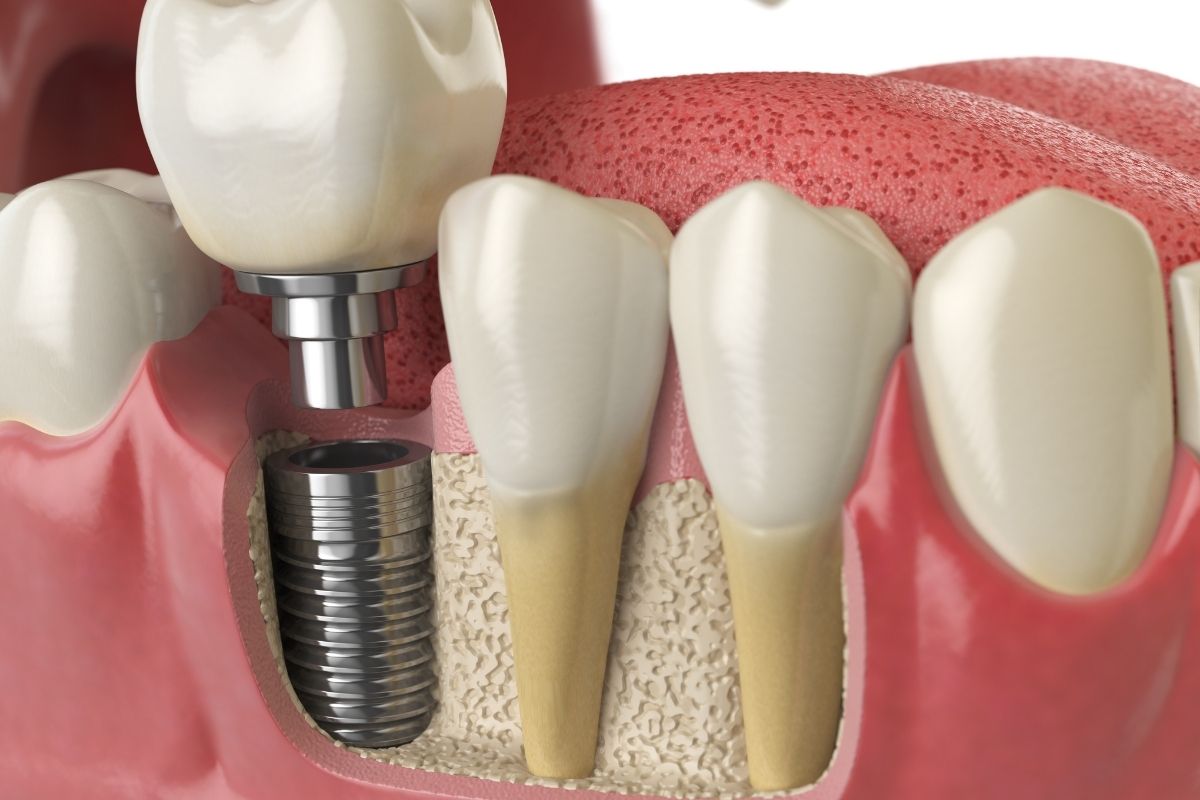
Tooth implants are a modern method for replacing missing teeth by restoring both the root and the visible crown. Unlike removable appliances, this solution integrates with the jawbone and functions much like a natural tooth.
A small titanium post is placed in the jaw where the tooth once existed. Over time, the surrounding bone bonds with the post. This process creates a stable base for a custom crown.
Once the restoration is complete, patients regain strong chewing ability, normal speech, and a natural-looking smile.
Implant dentists often recommend this option because it supports bone health and prevents nearby teeth from shifting. When done at the right time, the procedure can restore comfort and prevent several complications associated with missing teeth.
For many patients considering a tooth implant in Austin, early treatment can help maintain the natural structure of the jaw and reduce the risk of future dental concerns.
Situations That Often Lead to Missing Teeth
A missing tooth can occur for many reasons. Some situations develop suddenly, while others happen gradually over time.
Common causes include:
Severe tooth decay
Advanced cavities can weaken the tooth structure to the point where extraction becomes necessary.
Gum disease
Chronic gum infection may damage the bone supporting the tooth, eventually leading to tooth loss.
Dental trauma or accidents
Sports injuries, falls, or car accidents can knock out or fracture teeth beyond repair.
Untreated dental infection
In some cases, deep infections may require removal of the tooth to prevent bacterial spread.
Previous dental work that failed
Old restorations or weakened teeth may break over time, leading to extraction.
When a tooth is removed, the surrounding bone no longer receives stimulation from the natural root. This lack of stimulation initiates a gradual process called bone resorption, in which the jawbone begins to shrink.
Why People Often Delay Replacing a Missing Tooth
Even after learning about replacement options, many patients postpone treatment. Several factors contributed to this decision.
Waiting Until the Problem Feels Serious
If the missing tooth is not visible or painful, some people believe treatment can wait. Unfortunately, changes in the jaw begin long before symptoms appear.
Busy Schedules and Life Commitments
Work responsibilities, family obligations, and daily routines often push dental care lower on the priority list.
Think the Gap Will Not Affect Other Teeth
Some patients assume that neighboring teeth will remain stable. In reality, teeth naturally drift toward empty spaces.
Uncertainty About the Procedure
Patients sometimes delay treatment because they are unfamiliar with how the process works or what to expect.
A consultation with an implant dentist in Austin can clarify the procedure and help patients understand why timing is critical to treatment success.
What Happens When You Wait Too Long
Delaying replacement of a missing tooth can lead to several oral health changes. These changes may complicate future treatment and affect overall dental function.
Jawbone Shrinkage
The jawbone relies on stimulation from tooth roots to maintain its density. When a tooth is lost, the bone in that area slowly begins to deteriorate.
Within the first year after tooth loss, a noticeable amount of bone can disappear. This bone loss may eventually require additional procedures before replacement becomes possible.
Shifting of Nearby Teeth
Teeth naturally move toward empty spaces. When a gap remains open for a long time, neighboring teeth may tilt or drift out of position.
This shifting can cause uneven spacing, changes in bite, and difficulty cleaning between teeth.
Bite Misalignment
As the surrounding teeth move, the upper and lower teeth may no longer fit together properly. This imbalance can lead to jaw discomfort and uneven chewing pressure.
Increased Risk of Tooth Damage
When teeth shift out of position, certain teeth may carry more chewing pressure than they should. Over time, this added pressure can cause cracks or wear.
Changes in Facial Structure
The jawbone supports the lower portion of the face. As bone volume decreases, the face may appear slightly sunken or aged around the mouth.
These changes develop gradually but can become noticeable if the missing tooth remains untreated for years.
Why Early Replacement Helps Protect Oral Health
Replacing a missing tooth sooner rather than later helps maintain balance in the mouth.
Early treatment can provide several benefits:
• Preserves jawbone density
• Prevents neighboring teeth from shifting
• Maintains natural bite alignment
• Supports comfortable chewing
• Helps maintain facial structure
Patients who seek treatment early often avoid additional procedures that may become necessary later.
If you are considering a tooth implant in Austin, addressing the issue sooner may help protect the surrounding bone and simplify the restoration process.
When to Speak With an Implant Specialist
If you have recently lost a tooth or were advised to replace one, scheduling a consultation can help you understand your options.
During an evaluation, the dental care professional will examine the health of the gums and bone. Digital imaging may also be used to assess the structure of the jaw.
This visit allows the provider to determine whether immediate replacement is possible or if preparation is needed before the restoration.
Schedule Your Tooth Replacement Consultation Today
A missing tooth may not always cause immediate discomfort, but delaying replacement can lead to long-term changes in the mouth. Bone shrinkage, shifting teeth, and bite problems often develop quietly over time.
Taking action early helps maintain the health of your jaw and surrounding teeth while preserving your natural smile.
At River Rock Dental, patients receive implant care from Dr. Rightmer and Dr. Shahrzad Embry. With convenient Austin locations, including offices near Southpark Meadows, patients can receive timely care close to home.
If you have been postponing treatment, this may be the right time to move forward. Call us to schedule a consultation with our implant dentist in Austin and learn how restoring a missing tooth can protect your long-term oral health.
FAQs
How long can I wait after losing a tooth before replacing it?
Dentists generally recommend replacing a missing tooth within a few months. Waiting longer may allow bone loss and tooth shifting to begin, making treatment more complex.
Can bone loss happen quickly after a tooth is removed?
Yes. Bone changes can begin within the first few months after tooth loss. The jawbone gradually shrinks when it no longer receives stimulation from a natural tooth root.
Will my other teeth move if I leave the gap empty?
Yes. Teeth naturally drift toward empty spaces. This movement can alter bite alignment and create uneven spacing, which may affect chewing and oral hygiene.
Does replacing a missing tooth help prevent future dental problems?
Yes. Replacing a missing tooth helps maintain jawbone structure and keeps nearby teeth stable, reducing the risk of bite changes and other complications.
Is the implant procedure painful?
Most patients report minimal discomfort. Dentists typically use local anesthesia and modern techniques to keep the procedure comfortable during treatment and recovery.
Can everyone get a tooth implant?
Many patients qualify, but healthy gums and adequate jawbone are important. A dental evaluation and imaging help determine whether the treatment is appropriate.
Recent Post

Oct. 12, 2026
Small Cavities Caught Early Cost $200, Ignored They Cost $2000
Sep. 25, 2026
Why Does One Tooth Look Darker Than the Others?
Sep. 18, 2026
How Can Orthodontic Treatment Improve Crowding, Spacing, and Bite Problems Together?

Sep. 10, 2026
How Can I Protect a Broken or Damaged Tooth Until I Can Get Emergency Dental Care?
Sep. 02, 2026