
512.807.6938

What Are The Types of Dental Fillings?
March 12, 2024
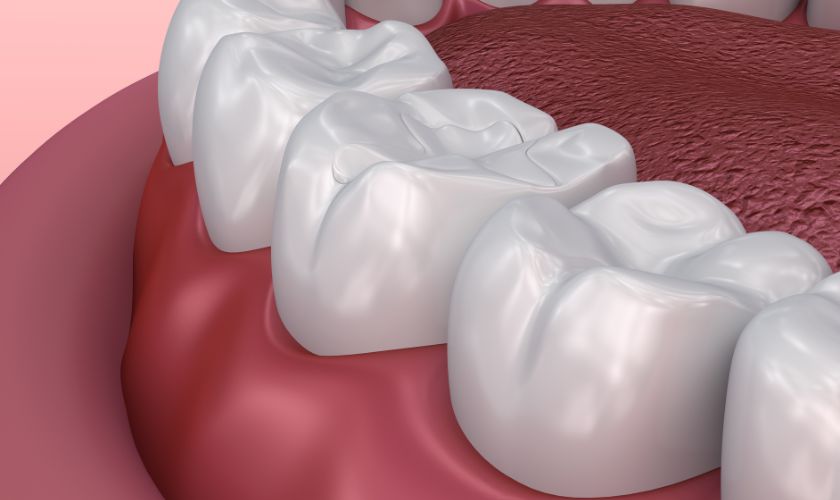
Dental fillings play a crucial role in maintaining oral health by repairing damaged teeth and preventing further decay. However, with various types of dental fillings available, it can be challenging to determine which option is best suited for your needs. In this blog, we’ll delve into the different types of dental fillings, their characteristics, and the benefits they offer.
- Amalgam Fillings: Amalgam fillings, also known as silver fillings, have been used in dentistry for over a century. They are composed of a mixture of metals, including silver, mercury, tin, and copper. Amalgam fillings are durable, cost-effective, and can withstand the forces of chewing, making them suitable for restoring teeth in areas of high pressure, such as molars. However, their silver color may make them less aesthetically pleasing than other options.
- Composite Fillings: Composite fillings are made of a mixture of plastic resin and powdered glass or ceramic particles. They can be closely matched to the color of natural teeth, making them a popular choice for visible areas of the mouth. Composite fillings bond directly to the tooth structure, which requires less removal of healthy tooth material compared to amalgam fillings. Additionally, composite fillings are versatile and can be used to repair small to medium-sized cavities.
- Ceramic Fillings: Ceramic fillings, also known as porcelain fillings, are made of high-strength dental ceramic materials. Like composite fillings, ceramic fillings can be color-matched to the surrounding teeth, providing excellent aesthetic results. They are highly biocompatible, resistant to staining, and can withstand chewing forces. Ceramic fillings are an ideal option for individuals with metal allergies or sensitivities.
- Glass Ionomer Fillings: Glass ionomer fillings are made of a mixture of glass and acrylic. They release fluoride, which can help prevent further decay and strengthen the surrounding tooth structure. Glass ionomer fillings are often used for small fillings in areas of low to moderate chewing pressure, such as around the gumline or in baby teeth. While not as durable as other types of fillings, they offer the advantage of fluoride release and can be a suitable option for certain situations.
Conclusion:
Choosing the right type of dental filling depends on various factors, including the location and size of the cavity, aesthetic preferences, and budget. Your dentist can assess your individual needs and recommend the most appropriate filling material for you. Whether you opt for traditional amalgam fillings, tooth-colored composite or ceramic fillings, or fluoride-releasing glass ionomer fillings, maintaining regular dental check-ups and practicing good oral hygiene are essential for preserving your oral health and the longevity of your dental fillings.
Recent Post

Oct. 12, 2026
Small Cavities Caught Early Cost $200, Ignored They Cost $2000

Sep. 25, 2026
Why Does One Tooth Look Darker Than the Others?

Sep. 18, 2026
How Can Orthodontic Treatment Improve Crowding, Spacing, and Bite Problems Together?

Sep. 10, 2026
How Can I Protect a Broken or Damaged Tooth Until I Can Get Emergency Dental Care?
Sep. 02, 2026