
512.807.6938

Beyond the Basics: Exploring the Different Types of Dental Fillings
May 18, 2023
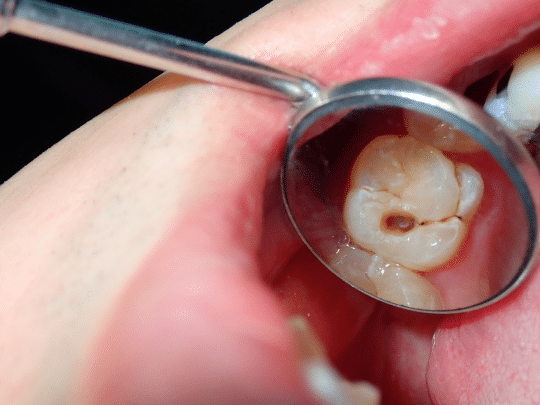
When it comes to maintaining good dental hygiene, dental fillings play a crucial role in repairing damaged teeth and preventing further decay. But did you know that there are different types of dental fillings available? From the traditional amalgam filling to the more modern composite resin option, each type has its own set of pros and cons. In this blog post, we’ll explore the various types of dental fillings so you can make an informed decision about which one is right for you. So let’s dive in!
What are Dental Fillings?
Dental fillings are a common treatment for cavities, which are caused by decay in the teeth. The process of getting a filling involves removing the decayed portion of the tooth and then filling the resulting hole with a material that will prevent further damage to the tooth.
There are several different types of materials that can be used for dental fillings, including amalgam, composite resin, porcelain, and gold. Each type has its own advantages and disadvantages depending on factors like cost, durability, and appearance.
Amalgam fillings have been used for more than 150 years and consist of a mixture of metals including silver, tin, copper and mercury. They are strong and durable but tend to be less aesthetically pleasing due to their metallic color.
Composite resin fillings blend in better with natural teeth as they can match your existing teeth’s colour almost perfectly. While they don’t last quite as long as amalgam or gold filings do they still prove very popular due to their aesthetic appeal.
Porcelain is also an option for dental fillings since it allows for a seamless blending into your natural tooth color while providing strength similar to that provided by amalgam or composites. However porcelain is more brittle than other options making them prone to chipping or cracking over extended periods.
Finally Gold is another durable option but can often prove costly compared with other materials.
There isn’t one-size-fits-all solution when it comes down deciding what type of dental filling you need- each material has its advantages so it’s best consulting your dentist regarding what would work best on you individually taking into consideration factors such as budget , location within mouth etc..
The Different Types of Dental Fillings
When it comes to dental fillings, there is no one-size-fits-all solution. There are different types of materials that can be used for filling cavities or repairing damaged teeth. The choice of material depends on various factors such as the location and extent of the damage, personal preferences, and budget.
One common type of filling material is amalgam. This type of filling is made from a mixture of metals including silver, tin, copper, and mercury. Amalgam fillings are durable and long-lasting but their appearance may not be aesthetically pleasing as they tend to darken over time.
Another option is composite resin fillings which are made from a tooth-colored plastic mixed with glass or ceramic particles. Composite fillings can blend seamlessly with natural teeth making them ideal for highly visible areas in the mouth.
Ceramic or porcelain fillings offer similar benefits as composite resin but are more resistant to staining and abrasion. They also have a longer lifespan compared to composite resin fillings.
Gold or other metal alloys can also be used for dental restorations but these options tend to be more expensive than other materials.
In summary, each type of dental filling has its own advantages and disadvantages depending on various factors like cost-effectiveness and cosmetic appeal among others. It’s important to consult with your dentist about which option works best for your specific needs before making any decisions regarding dental restorations.
Pros of each type of Dental Filling
When it comes to dental fillings, there are several different types available. Each type has its own set of advantages and disadvantages, which makes choosing the right one important.
First up is amalgam filling. This type of filling is made from a mixture of metals, including silver and mercury. Amalgam fillings are strong and durable, making them ideal for use in back teeth that endure lots of pressure from chewing. They’re also relatively inexpensive compared to other options.
Another option is composite resin filling, which is made from a mixture of plastic and glass materials. These fillings can be matched to the color of your natural teeth, so they’re a good choice for visible areas. They’re also less likely than amalgam to cause sensitivity to hot or cold foods/drinks after placement.
Ceramic (porcelain) fillings are made from porcelain material that’s custom-made for each patient’s individual needs in terms of size and shape. Porcelain fillings offer excellent durability while being more aesthetically pleasing than metal alternatives.
There’s gold filling- an option best suited for patients with allergies or sensitivities since it contains no mercury or other harmful chemicals found in some other materials.
Which type of Dental Filling is right for me?
Choosing the right type of dental filling can be overwhelming, especially if you have never had one before. There are several factors to consider, such as the size and location of the cavity, your budget, and your personal preferences.
For small cavities in visible areas like front teeth, composite resin fillings may be a good choice because they can be matched to your natural tooth color for a more aesthetically pleasing result. However, these fillings may not last as long as other materials and may need to be replaced more frequently.
Amalgam fillings are a durable and cost-effective option that has been used for decades. They are made from a combination of metals and offer excellent strength for larger cavities in back teeth that experience heavy chewing forces.
If you prefer an all-metal filling with even greater durability than amalgam, gold or silver (also known as “silver-colored” fillings) may be right for you. These types of fillings require less removal of healthy tooth structure compared to composite resin but tend to be more expensive.
Ultimately, it is important to discuss all options with your dentist who can help guide you based on their professional recommendation.
How often do I need to replace my Dental Fillings?
The lifespan of a dental filling depends on various factors, including the type of material used, oral hygiene habits, and the location of the filling in your mouth. On average, amalgam fillings can last up to 15 years or longer if well-maintained. However, composite resin fillings typically last five to seven years.
If you regularly visit your dentist for checkups and cleanings, they will monitor the condition of your fillings and let you know when it’s time for a replacement. Some signs that indicate you may need a replacement include sensitivity to hot or cold temperatures, pain when biting down on food or drink, visible cracks or chips in the filling material.
It’s important to note that even if your filling is still intact after several years have passed since its initial placement – it doesn’t necessarily mean that it should remain in place forever! As with any medical treatment or procedure – regular assessment from professional dentists is essential to ensure optimal oral health.
Conclusion
Dental fillings are an important aspect of maintaining good oral health. They help to prevent further damage to the tooth and alleviate any pain or discomfort caused by cavities. With different types of dental fillings available in the market, it’s essential to consult with your dentist about which type of filling is best suited for you based on your specific needs such as durability, aesthetics, and cost.
Remember that maintaining good oral hygiene practices like brushing twice daily, flossing regularly and visiting your dentist regularly can go a long way in preventing cavities. Also remember that early detection is key when it comes to treating cavities before they worsen.
Recent Post

Oct. 12, 2026
Small Cavities Caught Early Cost $200, Ignored They Cost $2000
Sep. 25, 2026
Why Does One Tooth Look Darker Than the Others?
Sep. 18, 2026
How Can Orthodontic Treatment Improve Crowding, Spacing, and Bite Problems Together?

Sep. 10, 2026
How Can I Protect a Broken or Damaged Tooth Until I Can Get Emergency Dental Care?
Sep. 02, 2026