
512.807.6938

7 Everyday Habits that Damage your Teeth
February 26, 2016
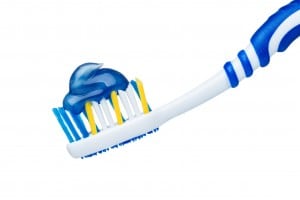
Today, we’re sharing some well-known and lesser-known facts about tooth damage. Take a look at these 7 habits that can cause damage to your teeth.
#1 Brushing too Hard
You have the first good oral hygiene habit down if you brush at least 2 times a day. However, if you are brushing your teeth vigorously, it can cause more oral harm than good. Brushing too hard can not only wear down the enamel on your teeth, but also irritate your gums and increase the sensitivity to cold temperatures and substances. We recommend that you purchase a toothbrush with soft bristles. Be sure the packaging has the letters ADA (American Dental Association), which means the design of the brush is firm enough to remove plaque, but soft enough not to cause damage.
#2 Teeth Grinding/Jaw Clenching
This is a stress-related habit that causes some people to frequently clench their jaw or grind their teeth. However, over time, your teeth can suffer from excessive pressure and friction. In fact, grinding teeth and jaw clenching weaken areas in your teeth and can even result in microfractures or actual fractures in your teeth.
#3 Eating Ice
No one understands heat better than a Texan. However, munching on ice cubes to cool off can be very harmful to your teeth. Both the cold and the hardness of the ice can cause a tooth to crack. Think of it this way, you usually have to put ice into a blender to crush it, and blenders have special blades to help them do it; your teeth aren’t designed for that.
#4 Eating Lemons
There is nothing wrong with flavoring your water or food with lemon… however, avoid the habit of sucking on lemons as much as possible. The acidity corrodes the enamel of your teeth and repeated exposure to acidic foods can cause your teeth to erode. This erosion also creates a rough texture on the surface of your teeth.
#5 Thumb Sucking
We see this most often in children, however around the ages 5 to 6 years old is a good time to kick the habit. Around preschool age is when children begin to have their permanent teeth come in. Thumb sucking can cause misalignment of the teeth and jaw structure. This misalignment can also lead to a variety of issues as the child grows, including difficulty chewing and breathing problems. So this is an important habit to keep an eye on as your little one grows and parents should do their best to try and wean their children off thumb sucking.
#6 Using Teeth as a Tool
This is one of the leading causes of cracked teeth! Try your best not to use your teeth as a tool. Many people use their teeth to rip open packages, unscrew bottle tops, or break off a tag on clothing. Teeth are not pliers or hooks and treating them like they are can cause damage to dental work and cause cracking of teeth.
#7 Biting/Chewing on Non-food Objects
Sometimes when we’re deep in thoughts we’ll grab a pen, pencil, or eyeglasses, and chew on them while we brainstorm an idea. Though this habit may help you concentrate, you might not realize how much pressure you are placing on your teeth. Your teeth are meant to bite through foods, not non-food items. And this can cause teeth to shift, crack, or cause existing dental work to break.
In case you have damaged your teeth, come and see us for a consultation and to discuss treatment options. If you’re looking for a dentist in Austin, know that there are many options available to you. Whether you’ve experienced a cracked tooth from biting on ice or enamel erosion from acidic foods, a skilled cosmetic dentist can help restore your smile. In Austin, you can find dental professionals specializing in various treatments, from routine checkups to advanced cosmetic procedures like veneers or crowns. These treatments can address the damage caused by habits like teeth grinding or thumb sucking. Don’t hesitate to reach out to a dentist in your area to find the right solution for your specific needs.
For more tips on oral health and good oral hygiene, check out our other blog posts:
Call our office at 512-669-5305 to make an appointment with a dentist who may be able to help you find out more about this topic and improve your oral health.
Recent Post

Oct. 12, 2026
Small Cavities Caught Early Cost $200, Ignored They Cost $2000
Sep. 25, 2026
Why Does One Tooth Look Darker Than the Others?
Sep. 18, 2026
How Can Orthodontic Treatment Improve Crowding, Spacing, and Bite Problems Together?
Sep. 10, 2026
How Can I Protect a Broken or Damaged Tooth Until I Can Get Emergency Dental Care?
Sep. 02, 2026